Triceps · Gym
Close-grip bench press: a heavy triceps builder from the bench
Bringing your hands in closer on the bar shifts a flat bench press from a chest-dominant lift toward a triceps-dominant one. Here is the right grip width, technique and programming.
- Secondary
- Front delts
- Level
- Intermediate
- Type
- Compound · Both sides together
- Sets × reps
- 3 × 6-10 reps
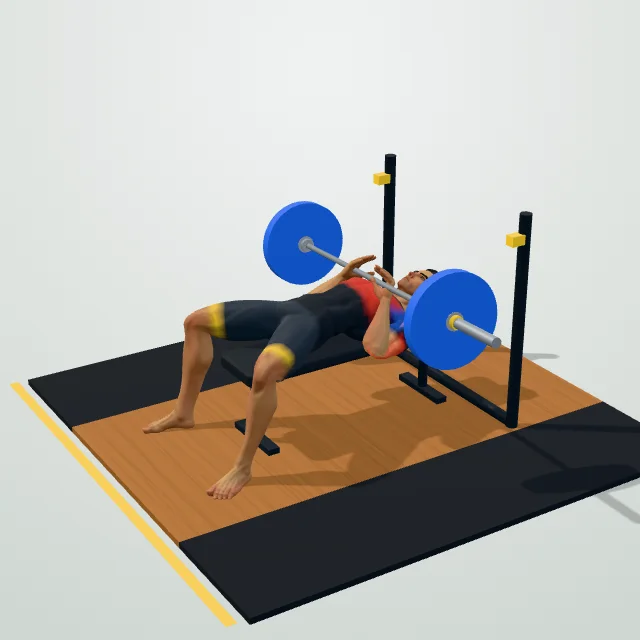
How to do it
- Grip the bar just inside shoulder width.
- Lie back with feet flat and a natural arch in your back.
- Unrack the bar and lower it to your lower chest.
- Keep your elbows tucked at about 30–45 degrees.
- Press the bar back up along the same path.
- Finish with elbows extended without locking out hard.
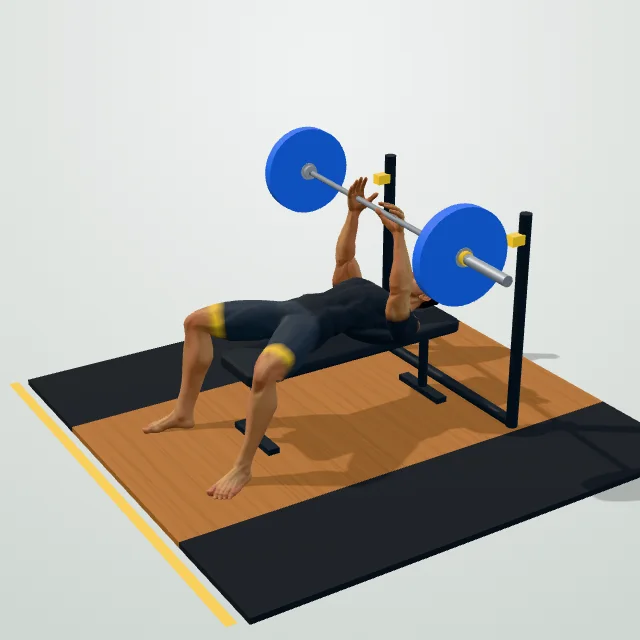
Coach cues
- Hands just inside shoulder width.
- Elbows tucked, not flared out.
- Lower to your lower chest with control.
- Press up, drive through your palms.
Breathing: Breathe in as you lower the bar to your chest, and breathe out as you press it back up.
Common mistakes
Make it easier / Make it harder
Sets and reps by goal
| Goal | sets | reps | Rest |
|---|---|---|---|
| Strength | 3–5 | 3–6 | 2–4 min |
| Muscle growth | 3–4 | 6–12 | 90–150 s |
| Endurance | 2–3 | 15–20 | 30–60 s |
The close-grip bench press is a barbell bench press done with your hands set narrower than a standard grip, usually just inside shoulder width. Narrowing the grip changes the joint angles at the elbow and shoulder so the triceps take on far more of the pressing work, while the chest and front shoulders still assist. It is one of the most effective heavy compound exercises for building triceps size and pressing strength at the same time.
Because it is still a barbell bench press, it lets you use more total weight than most isolation triceps exercises, making it a strong addition to a triceps or push-focused session.
Muscles the close-grip bench press works
The narrower hand position shortens the range the elbow travels relative to the shoulder, which shifts more of the load onto the triceps — particularly the lateral and medial heads — compared with a standard-width bench press. The chest (pectoralis major) and front deltoids still contribute to pressing the bar off your chest, but to a lesser degree than in a wide-grip press. Because the movement is still a compound push, the shoulders and upper back also work to stabilize the bar path. See the chest hub for how it compares with other pressing exercises.
Benefits of the close-grip bench press
- Heavy triceps loading: lets you use far more weight than isolation exercises like pushdowns or extensions.
- Carries over to your regular bench press: triceps strength is often the limiting factor at lockout, so this exercise can improve your main bench press too.
- Builds pressing strength generally: still trains the chest and shoulders as secondary movers.
- Needs no extra equipment: just a barbell and bench, same as a normal bench press.
Technique: grip width, elbow path and bar path
Grip the bar with your hands roughly shoulder width apart, or just inside it — narrow enough to feel the triceps working harder, but not so narrow that your wrists bend backward or your shoulders feel pinched. Lie back with your feet flat on the floor and a slight, natural arch in your lower back. Unrack the bar and lower it to your lower chest or upper abdomen, keeping your elbows tucked at roughly a 30–45 degree angle from your torso rather than flared out to the sides. Press the bar back up along the same path, driving through your palms and finishing with your elbows extended but not snapped straight.
Keeping the elbows tucked, rather than letting them flare like a wide-grip press, is what protects the shoulders and keeps the emphasis on the triceps. If your wrists ache, check that the bar is resting in your palm near the base of your hand rather than up in your fingers.
How to program the close-grip bench press
| Goal | Sets | Reps | Rest |
|---|---|---|---|
| Strength | 3–4 | 4–6 | 2–3 minutes |
| Muscle (hypertrophy) | 3 | 6–10 | 90 seconds |
| Endurance | 2–3 | 12–15 | 60 seconds |
Since it is a heavy compound lift, treat it like your main bench press for warm-up purposes: a few progressively heavier warm-up sets before your working weight. It fits well as a primary or secondary pressing exercise on a push day — see the chest and triceps workout — and pairs naturally with isolation work like the triceps pushdown afterward. Add weight gradually using the progressive overload guide.
Variations and progressions
- Close-grip dumbbell press: lets your wrists rotate to a more natural angle and trains each arm somewhat independently.
- Close-grip incline press: shifts a little more emphasis toward the upper chest and front delts.
- Smith machine close-grip press: a fixed bar path that can help beginners focus on the elbow tuck without balancing the bar.
- Board press or partial-range close-grip press: shortens the range to overload the lockout portion specifically.
Close-grip bench press vs skull crusher vs dips
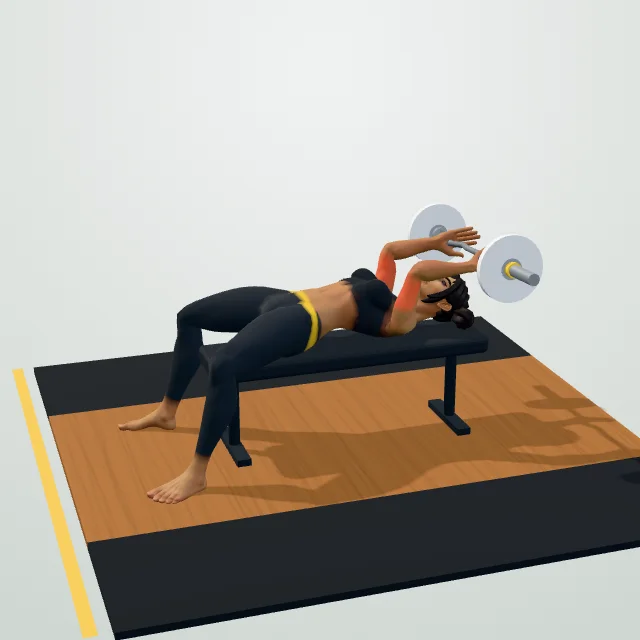
The skull crusher isolates the triceps more strictly through elbow extension alone, without the chest and shoulder involvement of a press, so it typically uses lighter weight but targets the triceps more directly. The parallel bar dip and diamond push-up both train a similar pattern using bodyweight, making them good equipment-free substitutes. Most well-rounded triceps training includes a heavy compound press like this one alongside at least one isolation exercise.
Safety and who should modify it
Keep the grip width moderate — going extremely narrow increases wrist strain without adding much extra triceps benefit, and can also stress the elbows. Always use a spotter or safety bars for heavy sets, the same as you would for a regular bench press. If you have wrist, elbow or shoulder pain, try the dumbbell version, which allows a more natural joint path, and reduce the load until it feels comfortable. Warm up thoroughly before heavy sets, and stop if you feel sharp joint pain rather than normal muscle fatigue.
Workout plans with this exercise
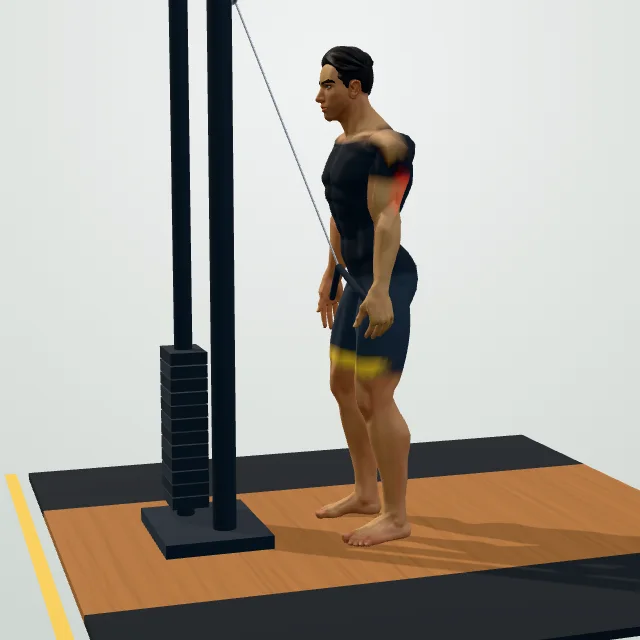
More exercises for triceps
Questions people ask
What muscles does the close-grip bench press work?
How narrow should my grip be for a close-grip bench press?
Is the close-grip bench press good for building triceps?
Close-grip bench press vs skull crushers — which is better?
Why do my wrists hurt during close-grip bench press?
Can I do a close-grip bench press with dumbbells?
General fitness information, not medical advice. Check with a doctor or physiotherapist before starting if you have a health condition, an injury or are pregnant. Stop if you feel chest pain, dizziness or sharp pain.