Chest · Gym
Incline bench press: build your upper chest properly
Setting the bench too steep is the most common reason the incline press stops feeling like a chest exercise. Here is the angle, setup and programming that keep it working the upper chest.
- Primary
- ChestFront delts
- Secondary
- Triceps
- Level
- Intermediate
- Type
- Compound · Both sides together
- Sets × reps
- 3 × 6-10 reps
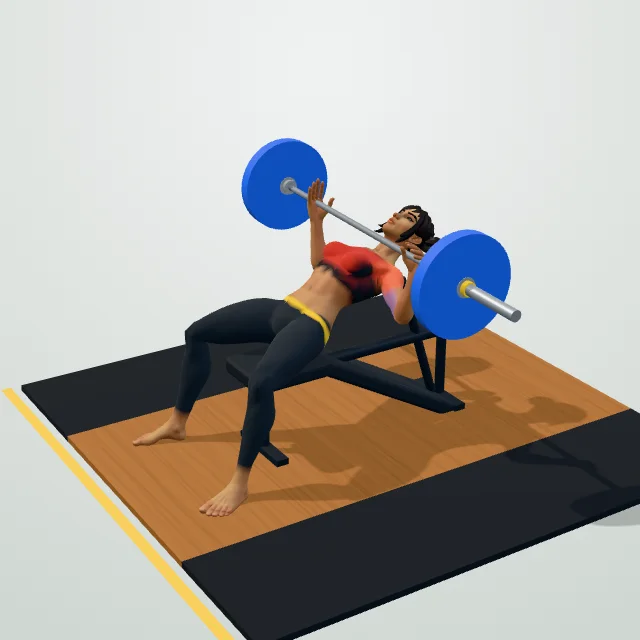
How to do it
- Set the bench to 15–30° and lie back with eyes under the bar.
- Grip the bar just outside shoulder width, shoulder blades pulled together.
- Unrack the bar and hold it over your upper chest, arms straight.
- Lower it to your upper chest, just below the collarbone.
- Press back up in a straight line until your arms lock out.
- Re-rack the bar after your final rep.
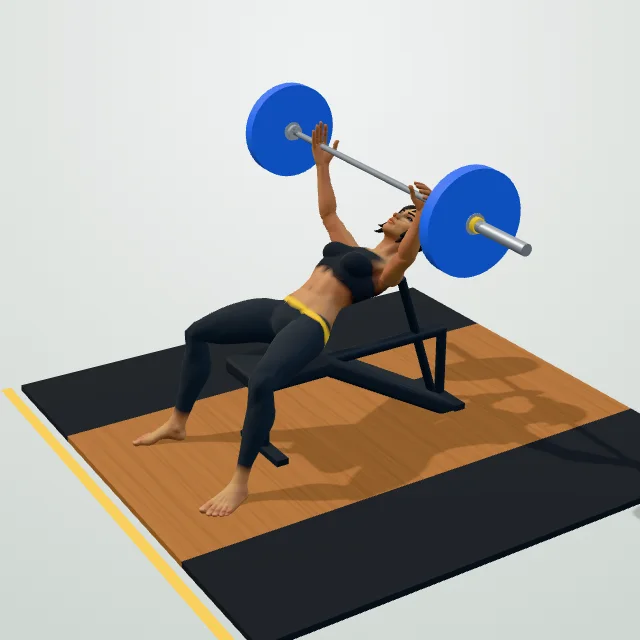
Coach cues
- Shoulder blades set, chest lifted.
- Bar to upper chest, not your neck.
- Elbows in, not flared to the sides.
- Press straight up to lockout.
Breathing: Breathe in as you lower the bar to your upper chest, then breathe out as you press it up.
Common mistakes
Make it easier / Make it harder
Sets and reps by goal
| Goal | sets | reps | Rest |
|---|---|---|---|
| Strength | 3–5 | 3–6 | 2–4 min |
| Muscle growth | 3–4 | 6–12 | 90–150 s |
| Endurance | 2–3 | 15–20 | 30–60 s |
The incline bench press is a barbell press done on a bench tilted up at an angle, usually 15–30°, which shifts more of the work onto the upper chest and front shoulders compared with a flat bench. It is the standard answer to "how do I build my upper chest" and a regular fixture in chest-focused workouts.
Muscles worked and why
Tilting the bench changes the angle your arms travel relative to your torso, which pulls in more of the clavicular (upper) fibers of the chest and more of the front shoulder than a flat press does. The triceps still finish the lockout. The steeper the bench, the more the shoulder takes over from the chest — which is why a very steep incline can start to feel like a shoulder press rather than a chest exercise.
Benefits
Most people's upper chest lags behind the rest, simply because flat pressing and dips don't reach it much. Adding a dedicated incline movement fills that gap and gives the chest a fuller, more balanced look from the front. It also builds pressing strength that transfers to the overhead press, since the arm path sits between a flat bench and a strict shoulder press.
Bench angle, grip and bar path
Set the bench between 15° and 30° — around 30° is a common default, but going lower keeps more tension on the chest rather than the shoulder, so it's worth trying a slightly flatter setting if you feel this mostly in your shoulders. Grip just outside shoulder width, same as a flat bench press, and pull your shoulder blades down and together before you unrack.
Lower the bar to your upper chest, just below the collarbone, rather than your neck — this is the detail people get wrong most often, letting the bar drift too high. Keep your elbows at roughly 45–60° from your torso, and press back up in a straight line over your shoulders. Keep your feet flat on the floor and your glutes on the bench; sliding down or arching excessively turns the incline back into something closer to a flat press.
How to program it
Treat the incline press as your first or second chest exercise if upper chest is a priority, or as an accessory after flat pressing if it isn't. For strength, 3–4 sets of 6–8 reps with 2 minutes of rest works well; for size, 3–4 sets of 8–12 reps with 60–90 seconds is more typical. Leave 1–2 reps in reserve on most sets rather than grinding to failure every time — see the RPE and RIR guide for how to judge that. Add weight in small steps once your reps feel solid, following the same logic as progressive overload.
Variations and progressions
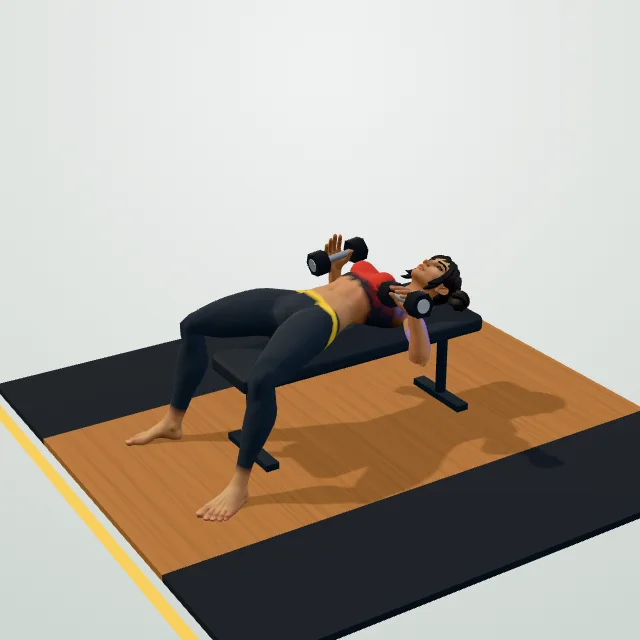
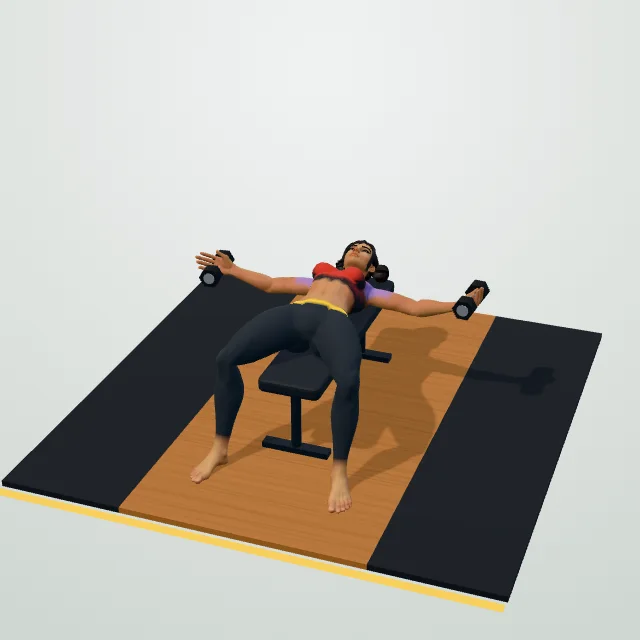
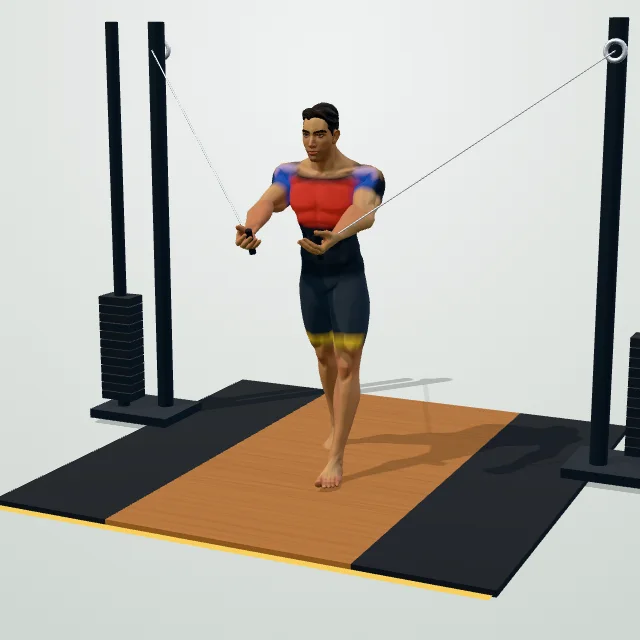
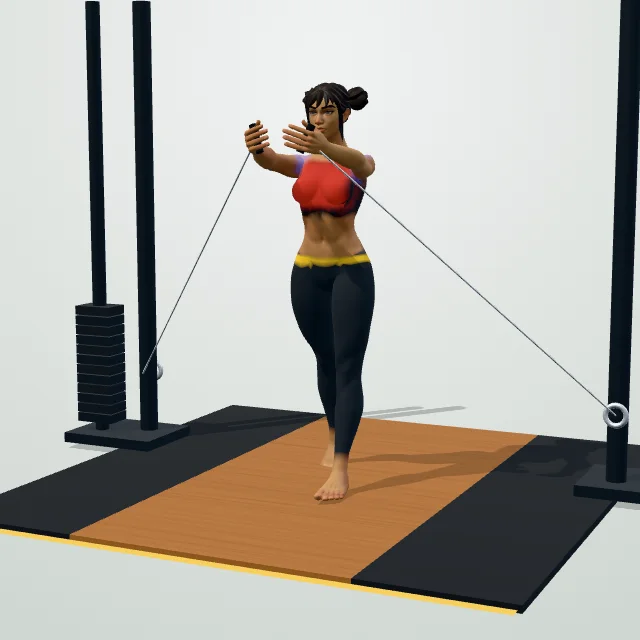
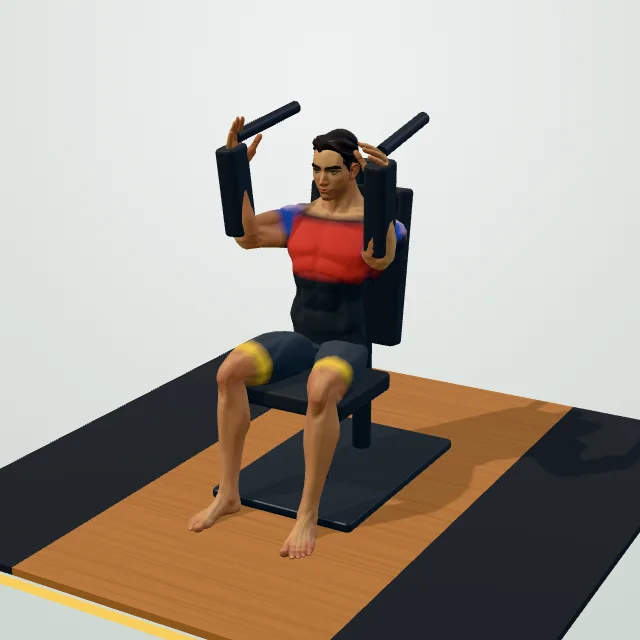
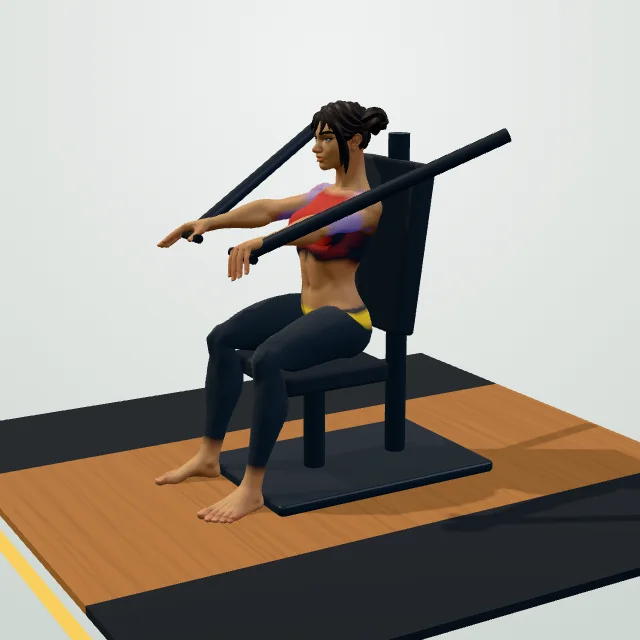
The incline dumbbell press lets each arm move independently and adds a slightly longer stretch at the bottom, which many lifters find kinder on the shoulders. The low-to-high cable fly isolates the same upper chest fibers without needing lockout strength, and the decline push-up is a bodyweight option that shifts load toward the upper chest and shoulders in a similar way. A dedicated incline press machine is a good option if you train alone without a spotter.
Incline vs flat bench press
Research on chest activation is closer than gym folklore suggests: a flat bench still trains a large share of the chest, and the incline's main advantage is specifically the upper, clavicular portion. Most well-rounded chest programs include both rather than choosing one over the other — flat or slightly-declined pressing for overall chest mass and strength, incline work for the upper chest that flat pressing under-trains.
Safety: who should modify it
Use a rack with safety pins set just below chest height, or a spotter, since a missed rep on an incline bench is harder to bail out of than on a flat one. If you feel pinching at the front of the shoulder, lower the bench angle, narrow your range slightly, or switch to dumbbells, which let your wrists rotate into a more natural path. Warm up with a lighter set or two before your top weight, and increase load gradually rather than jumping it week to week.
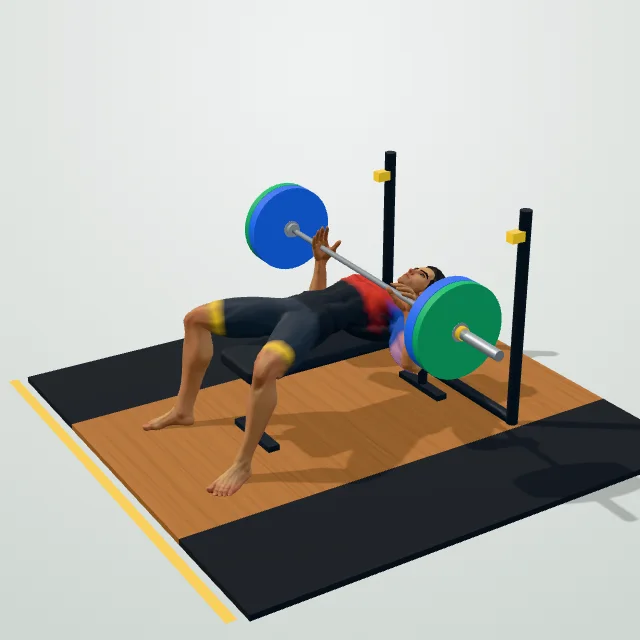
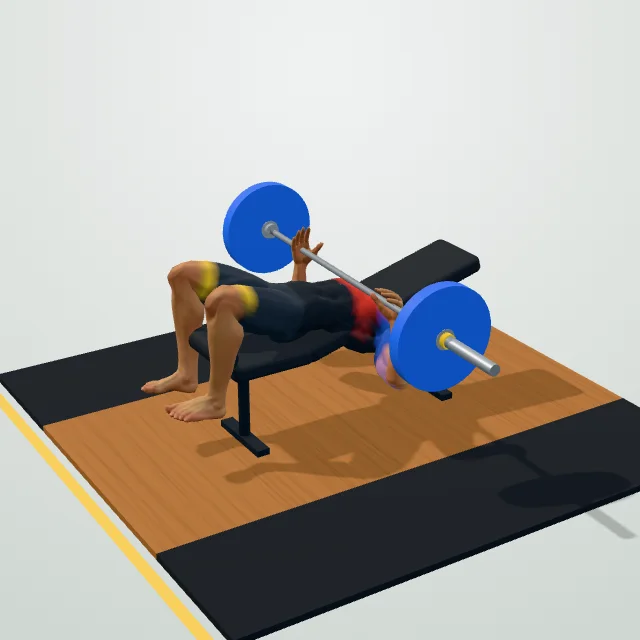
Workout plans with this exercise
Questions people ask
What muscles does the incline bench press work?
What angle should the incline bench be set to?
Is incline bench press better than flat bench press?
Why do I feel incline bench press mostly in my shoulders?
How heavy should I go on incline bench press?
Can I do incline bench press without a spotter?
How does incline bench press compare to incline dumbbell press?
General fitness information, not medical advice. Check with a doctor or physiotherapist before starting if you have a health condition, an injury or are pregnant. Stop if you feel chest pain, dizziness or sharp pain.