Shoulders · Gym
Upright row: build traps and side delts together
Pulling a bar straight up your body trains the side delts and traps in one movement, though grip width matters more here than in almost any other lift.
- Primary
- Side deltsTraps
- Secondary
- Front deltsBiceps
- Level
- Intermediate
- Type
- Compound · Both sides together
- Sets × reps
- 3 × 10-12 reps
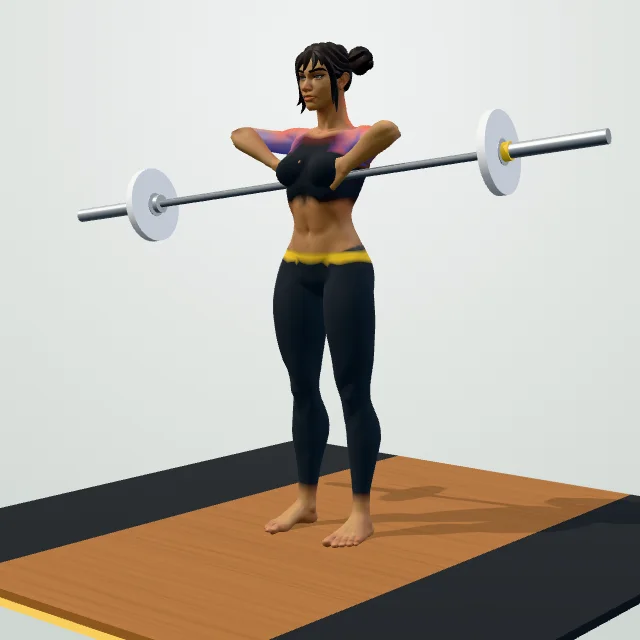
How to do it
- Hold the bar with a grip shoulder width or slightly wider.
- Stand tall with the bar resting against your thighs.
- Pull the bar straight up your torso, leading with your elbows.
- Keep the bar close to your body throughout the pull.
- Stop around chest height, elbows roughly at shoulder level.
- Lower with control back to your thighs.
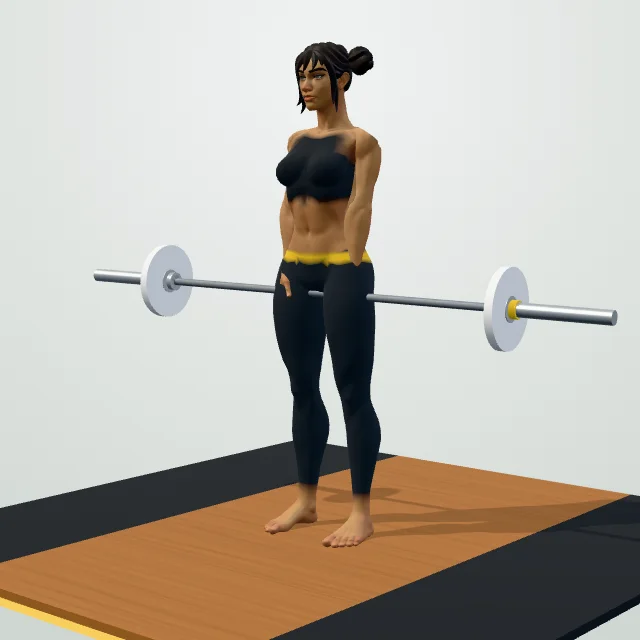
Coach cues
- Grip shoulder width or a little wider.
- Pull straight up, lead with your elbows.
- Stop around chest height.
- Lower with control, no hip swing.
Breathing: Breathe out as you pull the bar up, and breathe in as you lower it back to your thighs.
Common mistakes
Make it easier / Make it harder
Sets and reps by goal
| Goal | sets | reps | Rest |
|---|---|---|---|
| Strength | 3–5 | 3–6 | 2–4 min |
| Muscle growth | 3–4 | 6–12 | 90–150 s |
| Endurance | 2–3 | 15–20 | 30–60 s |
The upright row pulls a barbell, dumbbells or a cable bar straight up your body from your thighs to roughly chest height, working the side delts and traps together. It builds shoulder width and a thicker upper back in one movement, but the grip width and pull height you choose change how comfortable it feels far more than in most exercises.
Muscles worked by the upright row
The side delts and traps share the main work, lifting your elbows up and out to the sides as the bar rises. Your front delts and biceps assist to bend the elbows and start the pull, and your forearms grip the bar throughout. Because the elbows travel above shoulder height at the top of a narrow-grip row, this is one of the few shoulder exercises where hand position meaningfully changes which joints feel the load.
Benefits
- Trains two muscles at once. Side delts and traps both get real work in a single pulling movement.
- Builds shoulder width and a thicker traps line. Useful for lifters chasing a broader upper body silhouette.
- Simple equipment needs. Works with a barbell, EZ-bar, dumbbells, cable or kettlebell.
- Scales easily. Grip width and pull height let you adjust the exercise to what your shoulders tolerate well.
Technique and grip width
Hold the bar with a grip roughly shoulder width or slightly wider — a grip that is too narrow forces your elbows higher and closer to your body's midline at the top, which is the main reason some people feel shoulder discomfort with this lift. Stand tall, bar resting against your thighs, and pull it straight up your torso by driving your elbows up and out to the sides, keeping the bar close to your body.
Stop the pull around chest height or wherever your elbows reach roughly shoulder level — you do not need the bar under your chin. Lower with control back to your thighs, keeping your torso upright rather than swinging your hips to help the bar up.
Sets, reps and where it fits
| Goal | Sets × reps | Rest | Load |
|---|---|---|---|
| Muscle growth | 3 × 10–12 | 60–90 sec | RPE 7–8 |
| Endurance | 2–3 × 15+ | 45 sec | Light to moderate |
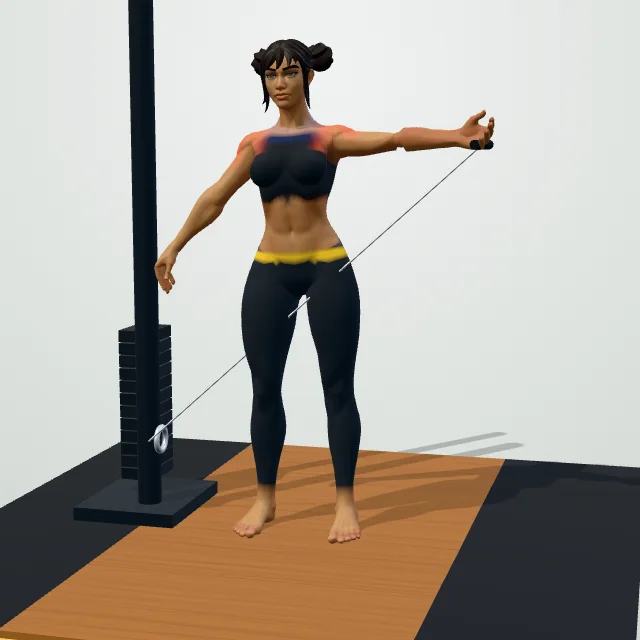
Use the upright row on a shoulder workout alongside a lateral raise for side delts, since the two movements complement each other well. If your shoulders feel cramped with a barbell, a cable bar or dumbbells often allow a more natural hand path.
Upright row vs lateral raise vs shrug
Compared with the lateral raise, the upright row lets you handle more weight and adds trap and bicep involvement, but it is less of a pure side-delt isolation move. Against a barbell shrug, the upright row raises the elbows higher and works the side delts more, while a shrug is a straighter up-and-down motion that isolates the traps alone.
Finding your comfortable grip width
Spend your first set with an empty bar or light dumbbells experimenting with grip width and pull height until the movement feels smooth through your shoulders, then keep that same setup for your working sets. If you are new to the exercise, our gym for beginners guide covers how to introduce new movements like this one gradually into your routine.
Safety and who should modify it
If you feel pinching in the front of your shoulder, widen your grip and stop the pull lower — around chest height rather than chin height. People with a history of shoulder impingement may do better substituting a lateral raise or cable upright row with a wider handle. Avoid yanking the weight up with your hips; keep the movement a controlled arm and shoulder pull.
With a comfortably wide grip and a moderate pull height, most lifters can do upright rows without shoulder trouble, and they remain a useful way to add both delt and trap work in one exercise.
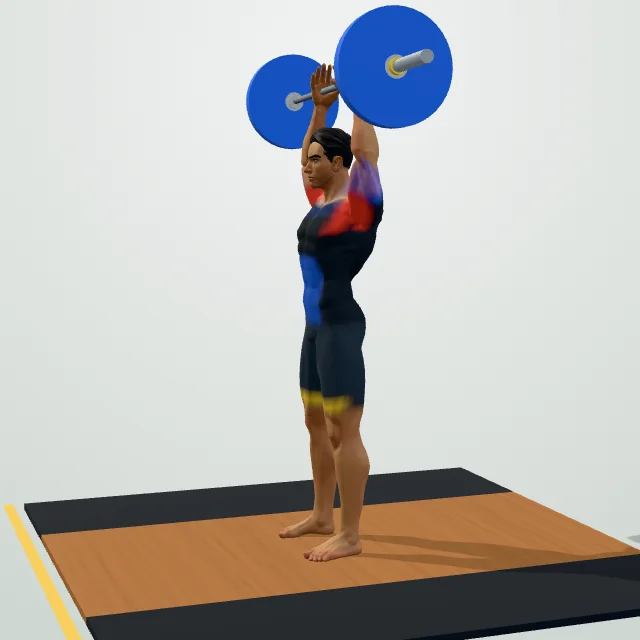
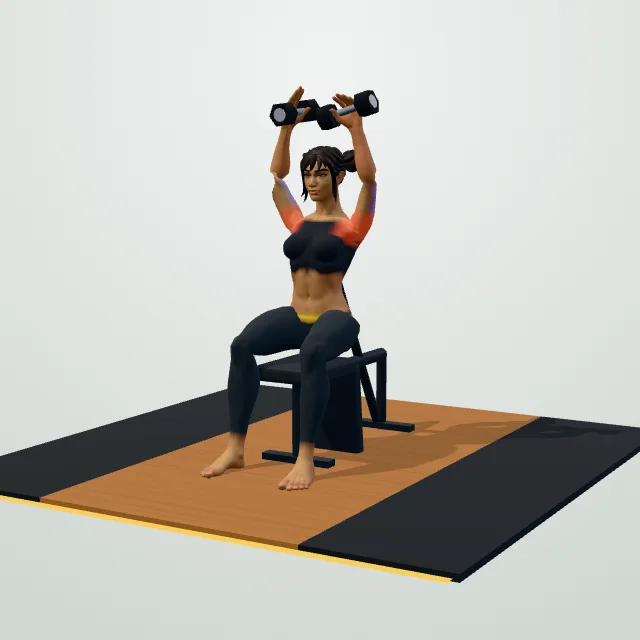
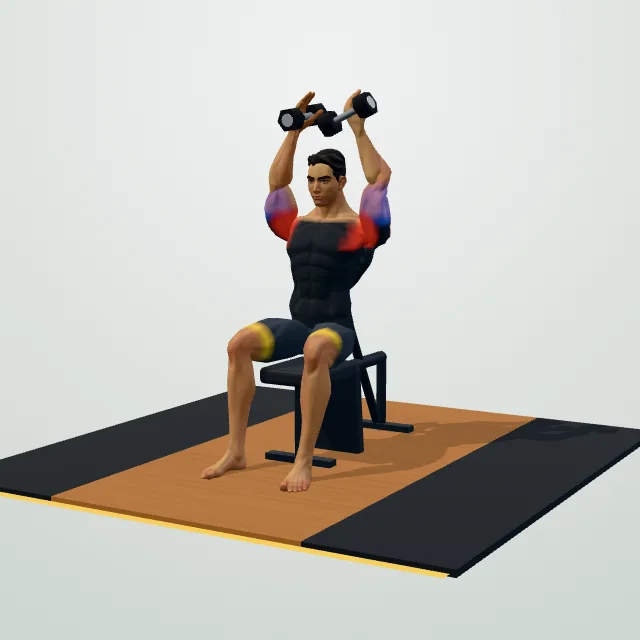
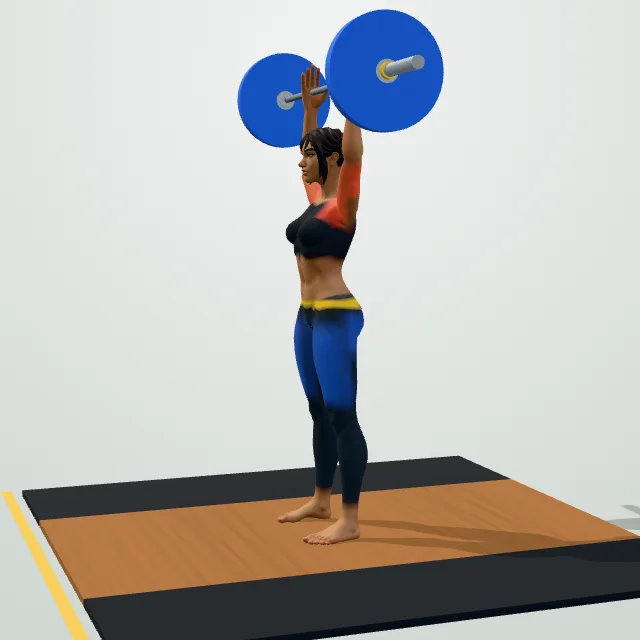
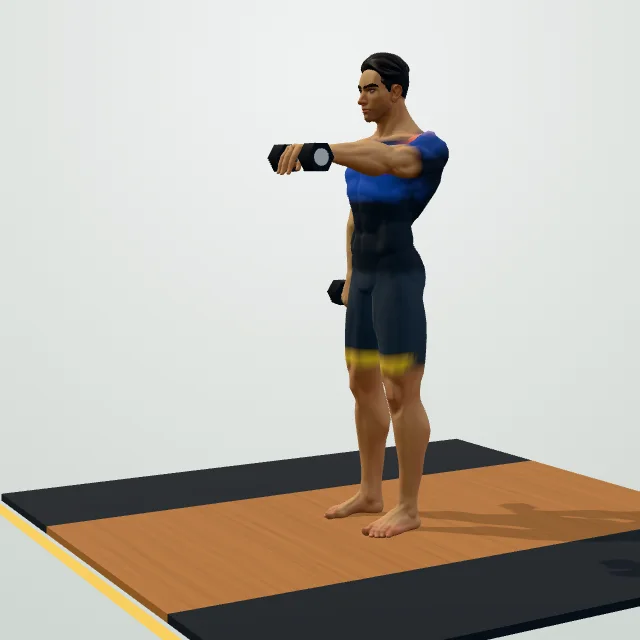
More exercises for shoulders
Questions people ask
Are upright rows bad for your shoulders?
What muscles does the upright row work?
How wide should my grip be on the upright row?
Is the upright row a push or pull exercise?
Upright row vs lateral raise — which is better for shoulders?
Can I do upright rows with dumbbells or a cable?
How high should I pull the bar in an upright row?
General fitness information, not medical advice. Check with a doctor or physiotherapist before starting if you have a health condition, an injury or are pregnant. Stop if you feel chest pain, dizziness or sharp pain.