Mobility and stretching · Home, no equipment
Hip circles: rotate the hip joint loose before you train
Hip circles move the hip through a slow, controlled circular path in both directions. Here is how to do them properly so they prepare the hip instead of just wiggling it around.
- Primary
- Hip flexorsOuter hips
- Secondary
- Lower backObliques
- Level
- Beginner
- Type
- Isolation · Both sides together
- Sets × reps
- 1 × 10 reps
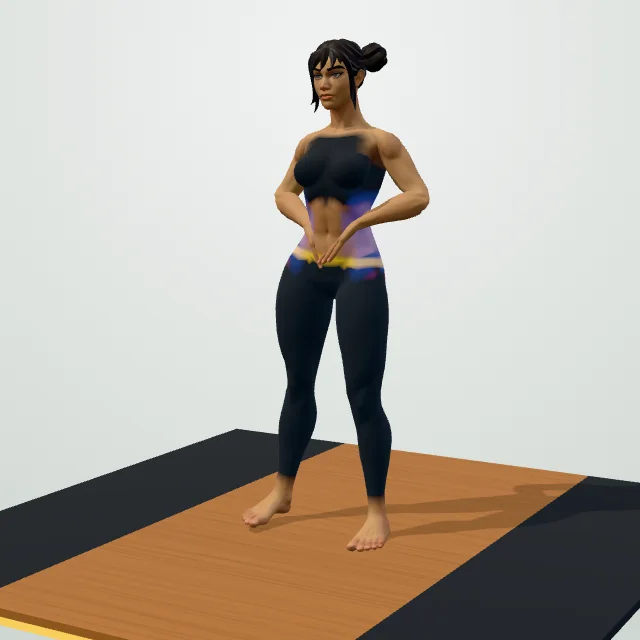
How to do it
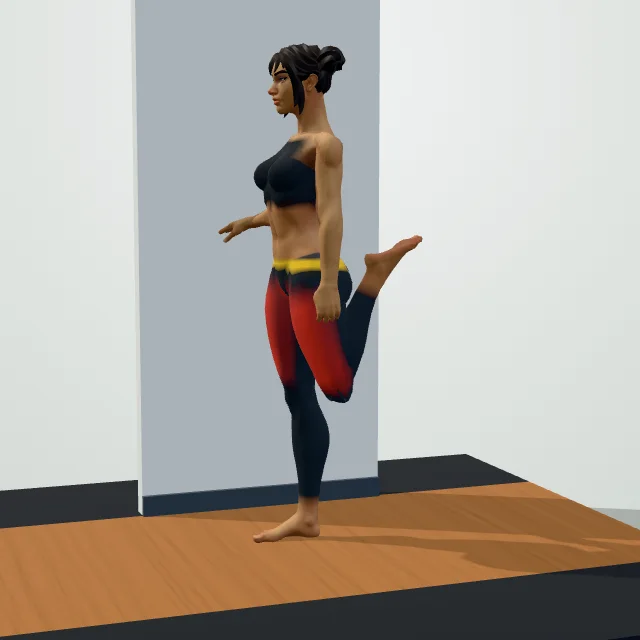
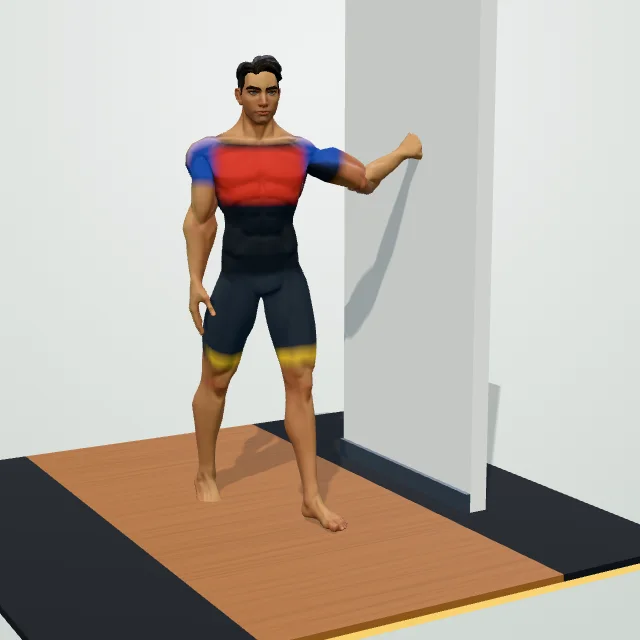
- Stand near a wall or support, holding it for balance.
- Lift one knee up in front of your body.
- Trace a circle with the knee: out, back and around.
- Keep your standing leg stable and pelvis facing forward.
- Complete a set, then reverse the circle direction.
- Switch legs and repeat the same count.
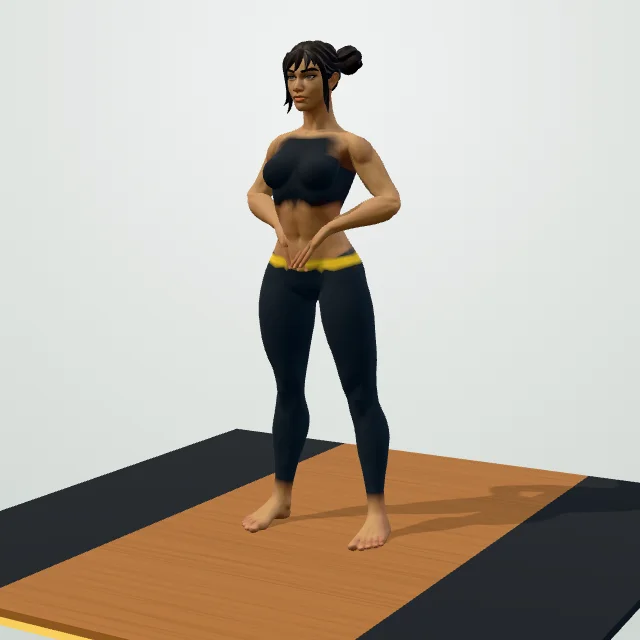
Coach cues
- Hold support, stand stable.
- Trace a slow, full circle.
- Keep your pelvis facing forward.
- Reverse direction, switch legs.
Breathing: Breathe naturally and steadily throughout; there is no need to time breaths to each circle.
Common mistakes
Make it easier / Make it harder
Hip circles rotate the hip joint through a slow, controlled circular path — forward, out to the side, back, and around — rather than moving it in a single straight line the way a swing or a lunge does. Because squats, lunges and running mostly move the hip forward and back, hip circles fill in the rotational and side-to-side range those movements barely touch.
What muscles do hip circles work?
The hip flexors and abductors take turns driving the leg through the front and outer parts of the circle, while the glutes and outer hip control the back and inner portions. The obliques and lower back stay lightly engaged to keep your pelvis stable as the leg moves, especially in the standing version where the working hip has to rotate without the rest of the pelvis twisting along with it. On all fours, the standing-arm shoulder and core do a similar stabilising job while the hip circles freely.
Benefits
- Rotational hip mobility. Circles cover a range of motion — internal and external rotation, abduction and adduction — that straight-line movements like walking or squatting do not train directly.
- Warms the hip before loaded work. Taking the joint through its full range increases blood flow and readiness before squats, lunges or running.
- Low load, low risk. Using only body weight and a slow, controlled tempo, hip circles are a safe way to explore hip range even for beginners.
- Works well from multiple positions. Standing, seated or on all fours, some version of hip circles suits most warm-up settings.
Technique: standing and all-fours versions
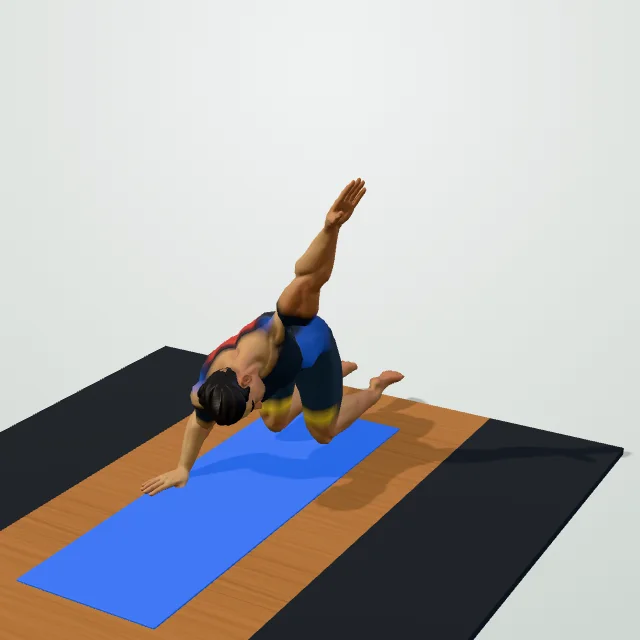
Standing: hold a wall or support, lift one knee up in front of you, then trace a circle with the knee — out to the side, back, and around — keeping your standing leg stable and your pelvis facing mostly forward rather than twisting with the circle. Do a set of circles in one direction, then reverse. On all fours, with hands under your shoulders and knees under your hips, lift one knee off the floor and trace a circle in the air while keeping your back flat and hips level rather than rocking side to side. The most common technical error is letting the whole pelvis rotate along with the leg instead of isolating the movement to the hip joint, which turns the drill into a lower-back movement rather than a hip one — keep your torso as still as you can while the leg circles.
How to program hip circles
| Use | Work | Rest |
|---|---|---|
| Pre-workout warm-up | 6-8 circles each direction, each leg | none, move to the next drill |
| Hip mobility session | 2-3 rounds of 8-10 circles each direction | 15-20 sec between rounds |
Hip circles work best as one part of a broader hip and leg warm-up, alongside leg swings and cat-cow, before squats, lunges, deadlifts or a run. They fit directly into the 6-minute dynamic warm-up, and the guide to warming up explains how to sequence a fuller routine if a single drill is not enough before a heavier lower-body session.
Variations and progressions
Seated hip circles, done sitting on the floor or a bench and circling one knee at a time, are a gentler option for beginners or anyone with balance concerns, since they remove the standing-leg stability demand entirely. Once standing circles feel controlled, a light resistance band looped just above the knees adds tension through the whole circle and can help you feel the glutes and abductors working harder, particularly useful for anyone training the hip abductors specifically. Circling in both directions matters — internal and external rotation are different ranges, and skipping one direction leaves half the joint's mobility untrained.
Hip circles vs. leg swings
Leg swings move the hip in a single plane — straight front-to-back or side-to-side — with more momentum and a bigger, faster range, which suits preparing for running or a squat pattern specifically. Hip circles move more slowly through a full rotational path, better suited to exploring range in every direction rather than just the plane you are about to train. Many warm-ups use both: hip circles first to explore the full range slowly, then leg swings to add speed and momentum in the specific plane the workout needs.
Safety and who should modify it
Use the seated version and keep the range smaller if you have hip, lower-back pain, or balance concerns, or are pregnant — check with a doctor or physiotherapist first if pain is present.
Hip circles are low-risk when kept slow and controlled, but forcing a bigger circle than your hip comfortably allows, or letting the lower back take over the movement, can cause discomfort. Keep the circle within a comfortable range, and stop if you feel sharp joint pain rather than a normal stretch sensation.
Workout plans with this exercise
More exercises for mobility and stretching
Questions people ask
What muscles do hip circles work?
Are hip circles effective?
How do I do hip circles properly?
What is the difference between hip circles and hip rotations?
Hip circles vs. leg swings — what is the difference?
Can I do hip circles while pregnant?
How many hip circles should I do?
General fitness information, not medical advice. Check with a doctor or physiotherapist before starting if you have a health condition, an injury or are pregnant. Stop if you feel chest pain, dizziness or sharp pain.