Back · Home, no equipment
Prone Y-T-W raise: three angles for a stronger upper back
Lying face-down, raise light weights through a Y, then a T, then a W position — a slow, unglamorous exercise that trains the muscles heavy pressing leaves behind.
- Primary
- Upper backRear delts
- Secondary
- TrapsLower back
- Level
- Beginner
- Type
- Isolation · Both sides together
- Sets × reps
- 2 × 8-10 reps
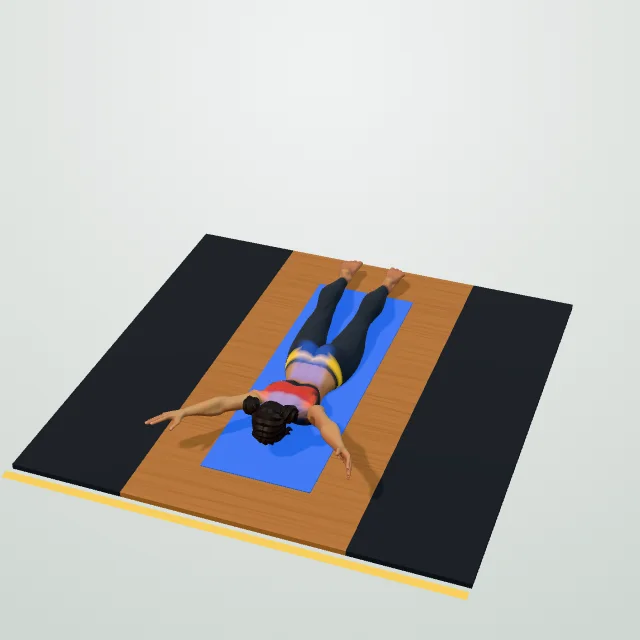
How to do it
- Lie face-down on an incline bench or the floor, light dumbbells in hand.
- Raise your arms overhead into a Y, thumbs up, and squeeze.
- Lower, then raise arms straight out to the sides into a T.
- Lower, then bend elbows and pull back into a W.
- Move slowly through each position and repeat for the set.
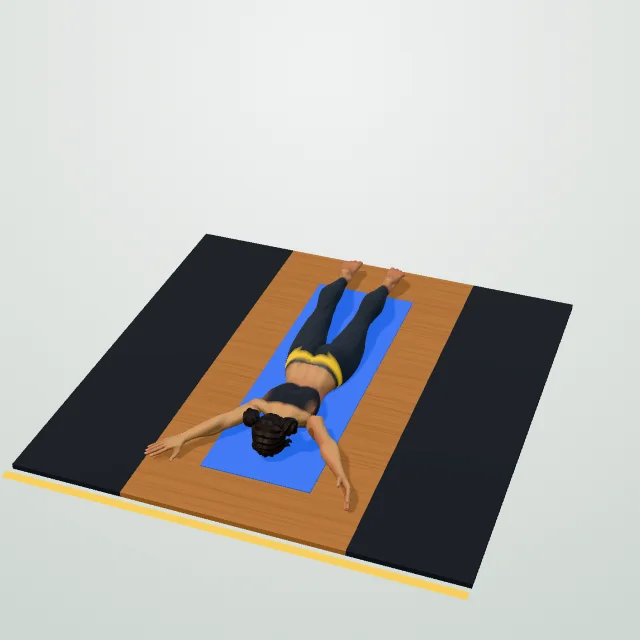
Coach cues
- Very light weight, or none at all.
- Squeeze your shoulder blades on every letter.
- Move slowly, no swinging.
- Keep your neck relaxed, eyes down.
Breathing: Breathe out as you raise into each position, breathe in as you lower back down.
Common mistakes
Make it easier / Make it harder
Sets and reps by goal
| Goal | sets | reps | Rest |
|---|---|---|---|
| Strength | 4–5 | 6–8 | 90–120 s |
| Muscle growth | 3–4 | 10–15 | 60–90 s |
| Endurance | 2–3 | 15–25+ | 30–60 s |
What muscles does the Y-T-W raise work
Each letter shifts the emphasis slightly across your upper back and shoulders. The "Y" position works your lower traps and rotator cuff as your arms lift overhead; the "T" position targets your mid traps and rhomboids as your shoulder blades squeeze together; the "W" works your rear delts and rhomboids with the elbows bent and pulled back. Together the three angles cover most of the muscles responsible for pulling your shoulder blades down, back and together — the postural counterweight to a shoulder pulled forward by pressing.
Benefits
Because pressing exercises (bench press, push-ups, overhead press) dominate most training programs, the muscles that retract and stabilize the shoulder blades often lag behind, which can contribute to a rounded-shoulder posture over time. The Y-T-W raise directly strengthens those muscles with very light load, making it a low-risk way to add "prehab" work for the shoulders without needing much equipment or time. It is also gentle enough to do on a rest day or as part of a warm-up, since the loads involved are so light that recovery is rarely a concern.
Technique: setup and each position
Lie face-down on an incline bench set to about 30–45 degrees, or on the floor with a rolled towel under your forehead, holding a very light dumbbell in each hand or none at all to start. For the Y, raise your arms overhead at roughly a 30-degree angle from your head, thumbs pointing up, squeezing your shoulder blades down and together at the top. For the T, raise your arms straight out to the sides at shoulder height, squeezing your shoulder blades together. For the W, bend your elbows to about 90 degrees and pull them back and up, as if you were pulling a bowstring, squeezing between your shoulder blades. Move slowly through each position — a 2-second lift, a brief pause, and a 2-second lower — since the exercise gives almost no benefit if it is rushed.
Keep your neck relaxed and your gaze down at the floor throughout; craning your neck up to look forward is a common way people distract from weak upper-back muscles. If your lower back arches or you feel this in your neck instead of your upper back, the weight is too heavy — often just your arms is enough load to start.
How to program the Y-T-W raise
2 sets of 8–10 reps per position (a full Y, then a full T, then a full W, counted as one round), 2–3 times a week, is plenty — this is an endurance and postural exercise, not a strength-building one, so more weight is rarely the goal. It fits well as part of a warm-up before a shoulder or back session, or as light "prehab" work at the end of a workout or on a rest day. Very light dumbbells (1–3 kg) or no weight at all is normal and appropriate here.
Alternatives
A face pull on a cable machine trains a similar external-rotation and rear-delt pattern standing up, and a band pull-apart is a convenient standing substitute if lying face-down on a bench is not available. Many people rotate between all three across a week rather than relying on only one.
Safety
Keep the weight light — this exercise is meant to train small stabilizing muscles with control, not to be a heavy lift. If you feel pinching at the front of the shoulder rather than a squeeze across your upper back, reduce the range slightly or drop the weight altogether and work with just your arms. Building this habit alongside your regular pressing and pulling work is a small time investment for a meaningful long-term return on shoulder health.
Workout plans with this exercise
Questions people ask
What muscles does the Y-T-W raise work?
How much weight should I use for Y-T-W raises?
What is the difference between Y, T and W raises?
Can I do Y-T-W raises without a bench?
Is the Y-T-W raise good for posture?
How often should I do Y-T-W raises?
General fitness information, not medical advice. Check with a doctor or physiotherapist before starting if you have a health condition, an injury or are pregnant. Stop if you feel chest pain, dizziness or sharp pain.