Chest · Home or gym
Dumbbell fly: an isolation move for a fuller chest
The dumbbell fly trains the chest on its own, without the shoulders and triceps sharing the load the way they do in a press. Here is the arc, the elbow bend, and how heavy to actually go.
- Primary
- Chest
- Secondary
- Front delts
- Level
- Beginner
- Type
- Isolation · Both sides together
- Sets × reps
- 3 × 10-15 reps
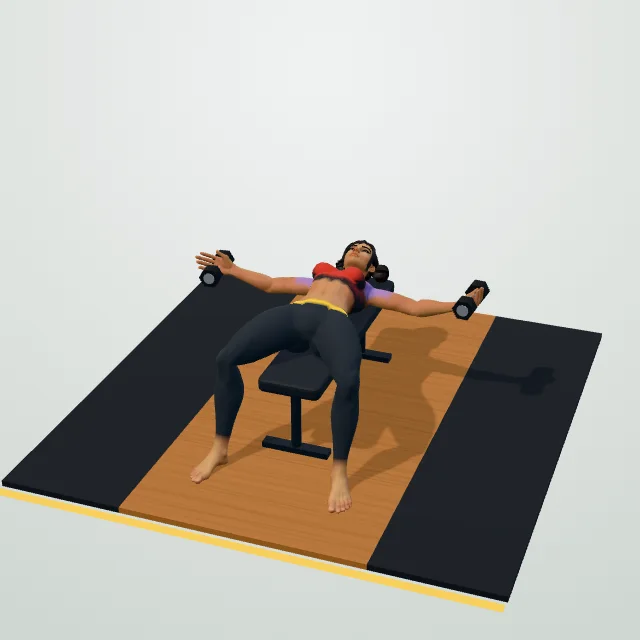
How to do it
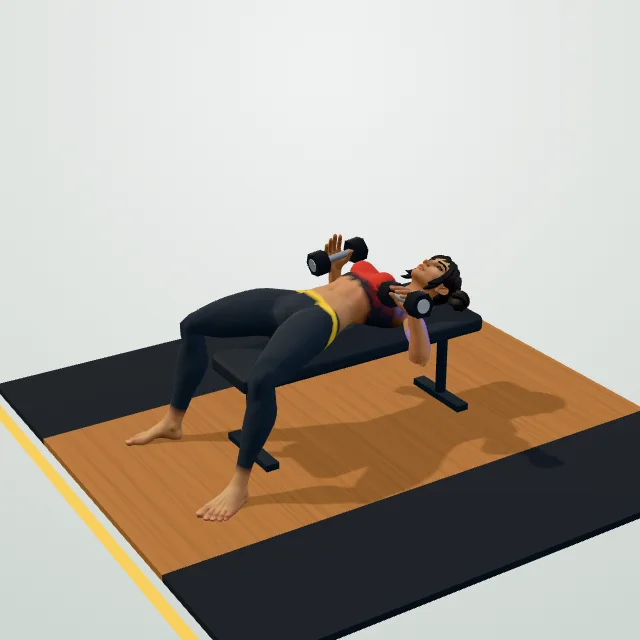
- Lie on a flat bench with a dumbbell in each hand above your chest.
- Turn your palms to face each other with a slight, fixed bend in your elbows.
- Lower the dumbbells out to the sides in a wide arc.
- Stop once you feel a stretch across your chest, around shoulder level.
- Bring the dumbbells back together in the same arc.
- Repeat for all reps, keeping the elbow bend constant.
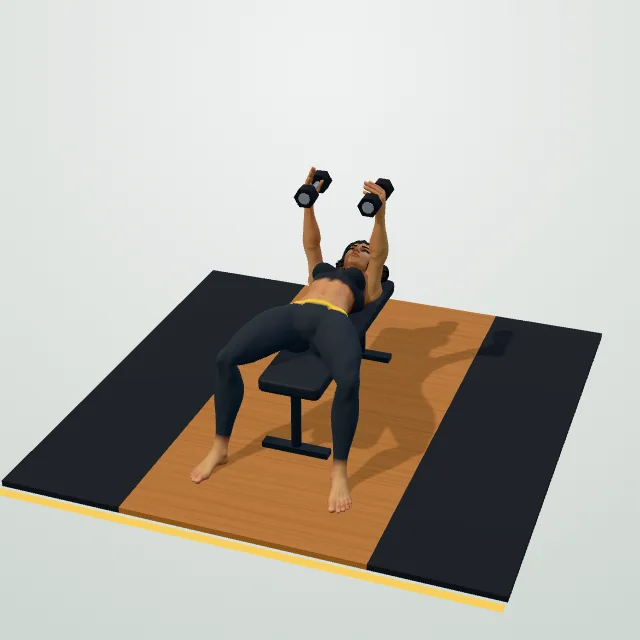
Coach cues
- Slight, fixed bend in the elbows.
- Lower in a wide arc to shoulder level.
- Feel the stretch, do not go lower.
- Bring them back together, same arc.
Breathing: Breathe in as you lower the dumbbells out to the sides, then breathe out as you bring them together.
Common mistakes
Make it easier / Make it harder
Sets and reps by goal
| Goal | sets | reps | Rest |
|---|---|---|---|
| Strength | 3–5 | 6–8 | 90–120 s |
| Muscle growth | 3–4 | 10–15 | 60–90 s |
| Endurance | 2–3 | 15–20 | 30–60 s |
The dumbbell fly is a chest isolation exercise done lying on a bench, sweeping two dumbbells out to the sides and back together in a wide arc. Unlike a bench press, the elbows stay in a fixed, slightly bent position throughout, so almost all of the work falls on the chest itself rather than being shared with the triceps.
Muscles worked and why
The chest does almost all the work here, since the fixed elbow bend takes the triceps largely out of the movement — this is what makes a fly feel like "pure chest" compared with a press. The front shoulders assist to control the arc, especially near the top. Because there is no lockout to help you finish a rep, a fly forces the chest to work through the entire range without a break.
Benefits
Isolating the chest lets you feel exactly which muscle is doing the work, which is useful if pressing exercises leave you unsure whether your chest or your triceps and shoulders are doing most of the effort. The wide arc also puts the chest under a deep stretch at the bottom, a position presses do not reach in the same way, which some research links to extra muscle-building stimulus when done with control.
Setup, arc and range of motion
Lie on a flat bench holding a dumbbell in each hand above your chest, palms facing each other, with a slight, fixed bend in your elbows — decide on that bend before you start and keep it the same throughout the set, rather than letting your arms straighten or collapse as you fatigue.
Lower the dumbbells out to the sides in a wide arc until you feel a stretch across your chest, roughly level with your shoulders or just below — going lower than that mostly stretches the front of the shoulder rather than the chest, and is where most fly injuries happen. Bring the dumbbells back together over your chest in the same arc, without pressing them up and away from your body, which turns the fly into a narrow press and takes tension off the chest.
How to program it
Use the fly as a second or third chest exercise, after a press, since it is not built for heavy loading the way a bench press is. 3 sets of 10–15 reps with 60–90 seconds of rest is a common range, using a weight noticeably lighter than you would press — this is not the exercise to chase a personal best on. Leave a couple of reps in reserve on most sets (see the RPE and RIR guide), and progress mainly by adding a rep or two before adding weight, per progressive overload.
Variations and progressions
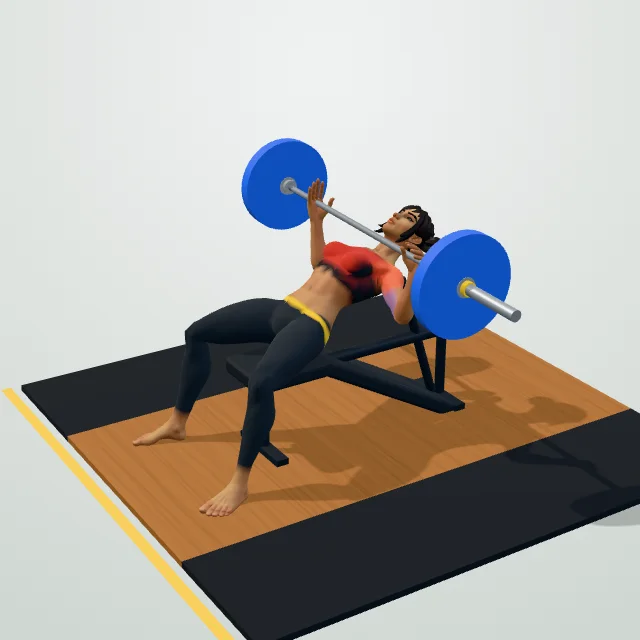
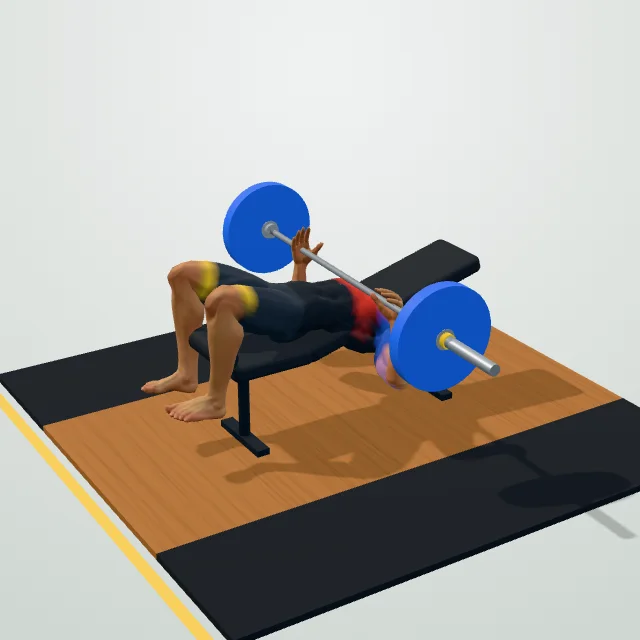
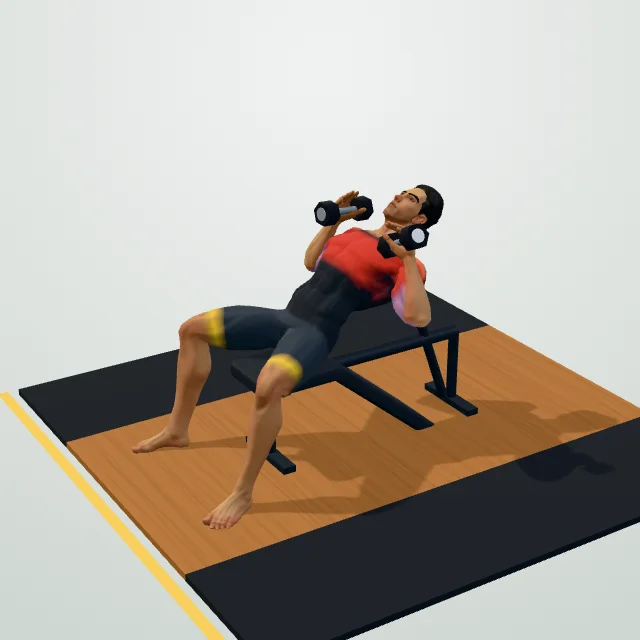
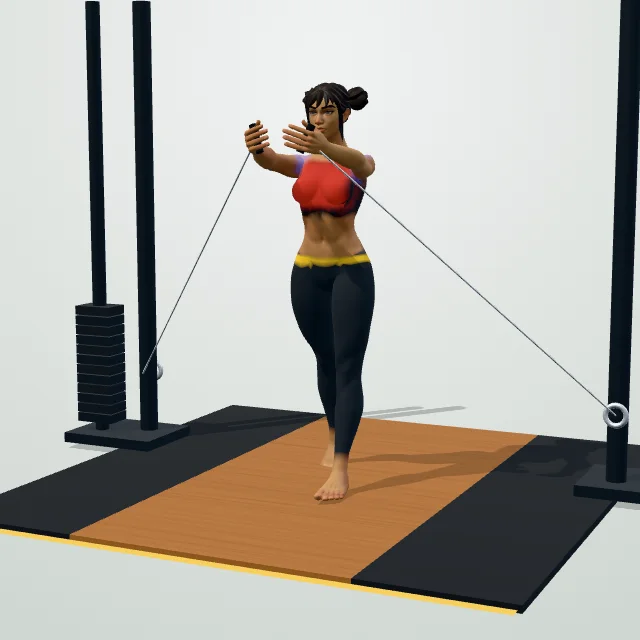
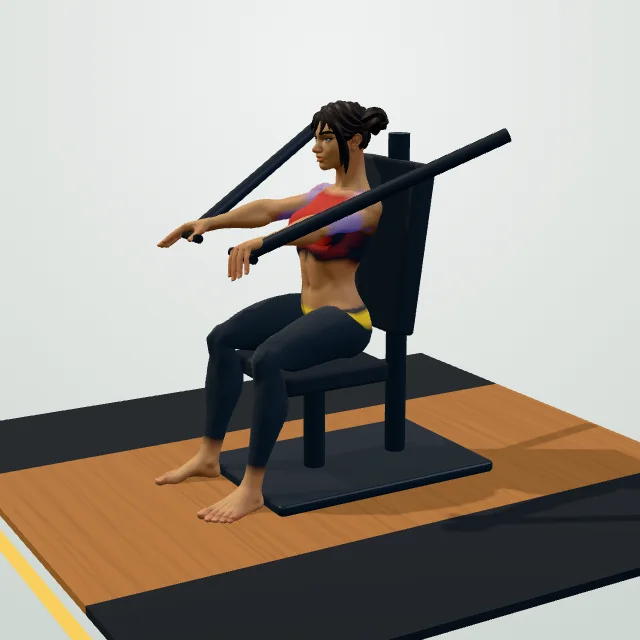
The cable crossover keeps tension on the chest through the whole range, including at the top, where a dumbbell fly loses tension once the arms are overhead. The pec deck is a machine option with a guided path that limits how far you can stretch, which some lifters find safer for the shoulders. Tilt the bench up for an incline dumbbell fly to shift some emphasis toward the upper chest.
Fly vs press
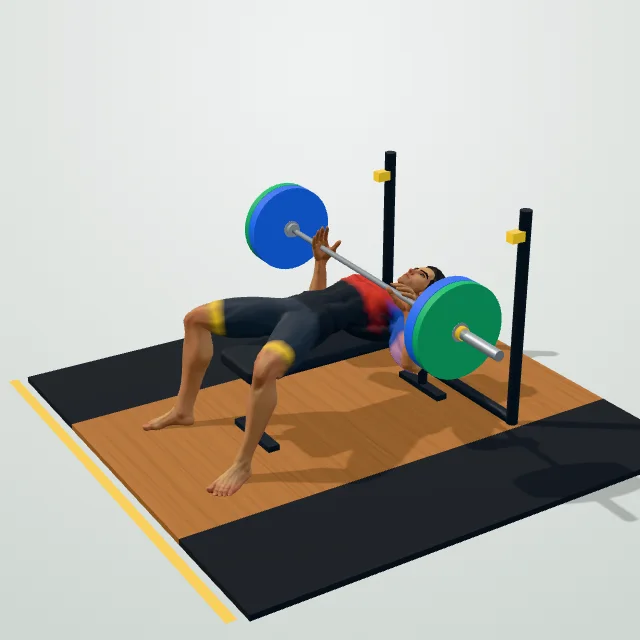
A press (like the dumbbell bench press) is a compound movement that trains the chest, shoulders and triceps together and is where most of your heavy loading and strength work should happen. A fly is an isolation movement that trains the chest with a deeper stretch and no lockout to lean on. Most chest workouts use presses as the main lift and a fly or cable fly as a finishing accessory, rather than one replacing the other.
Safety: who should modify it
Do not lower the dumbbells below shoulder level — this is the single biggest cause of shoulder strain on a fly, since it stretches the front of the shoulder joint under load. Keep the weight light enough that you can control the bottom position rather than dropping into it. If you feel pinching or sharp pain at the front of the shoulder, switch to a cable crossover or pec deck, which limit the range more safely, and see a physiotherapist if it persists.
Workout plans with this exercise
Questions people ask
What muscles does the dumbbell fly work?
How low should I lower the dumbbells in a fly?
Is the dumbbell fly push or pull?
How heavy should dumbbell flys be?
Are dumbbell flys dangerous?
Dumbbell fly vs cable fly, which is better?
Can beginners do dumbbell flys?
General fitness information, not medical advice. Check with a doctor or physiotherapist before starting if you have a health condition, an injury or are pregnant. Stop if you feel chest pain, dizziness or sharp pain.