General fitness · Beginner
Morning workout routine: a 10-minute wake-up flow
This morning workout routine is a single 10-minute circuit, done five days a week before your day gets busy, mixing gentle mobility with bodyweight strength moves. No equipment is needed, and it fits into even the most rushed morning.
Your week
Sessions
Wake-up flow
| Exercise | Work | Rest | |
|---|---|---|---|
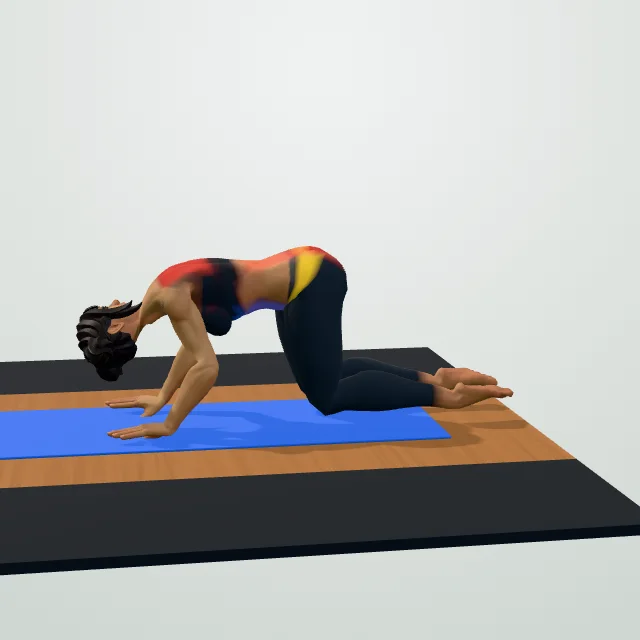
| Cat-Cow | 45 s | 15 s |
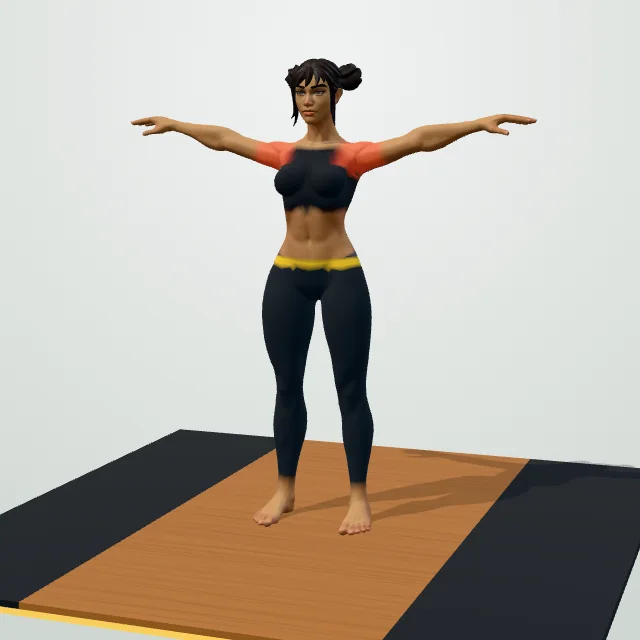 | Arm Circles | 45 s | 15 s |
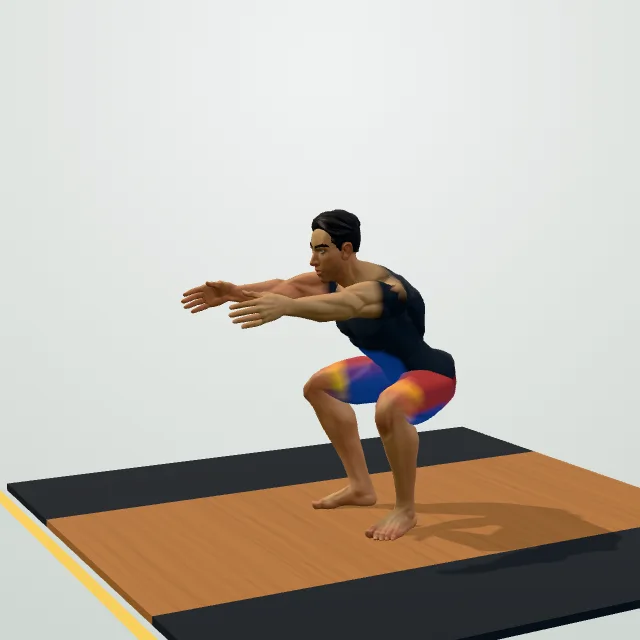 | Bodyweight Squat | 45 s | 15 s |
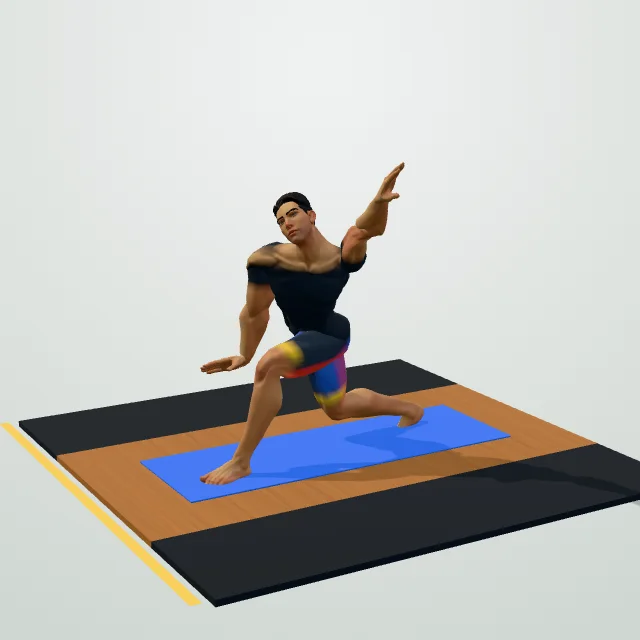 | World's Greatest Stretch | 45 s | 15 s |
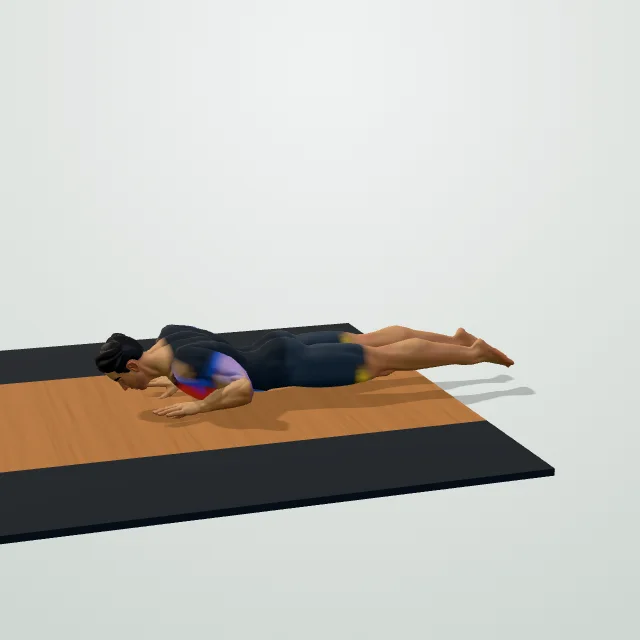 | Push-Up | 45 s | 15 s |
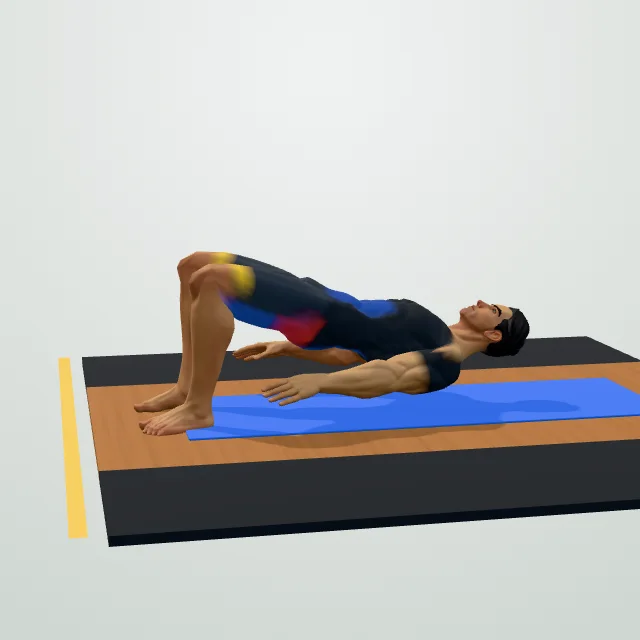 | Glute Bridge | 45 s | 15 s |
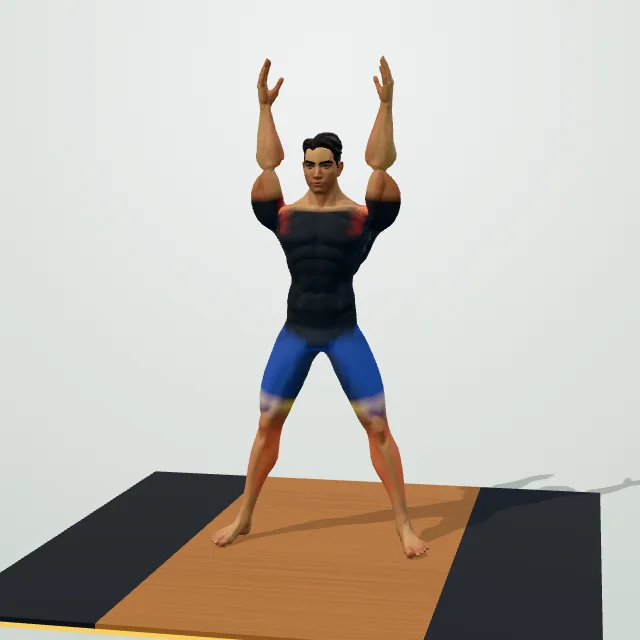 | Jumping Jacks | 45 s | 15 s |
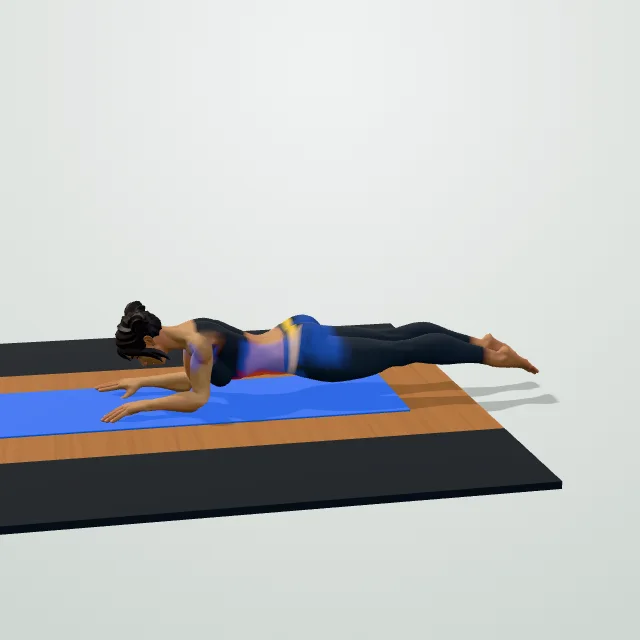 | Plank | 45 s | 15 s |
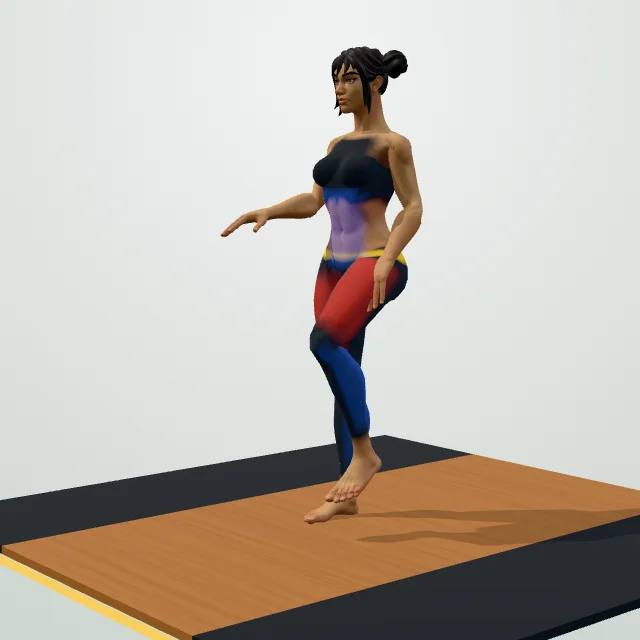 | Marching in Place | 45 s | 15 s |
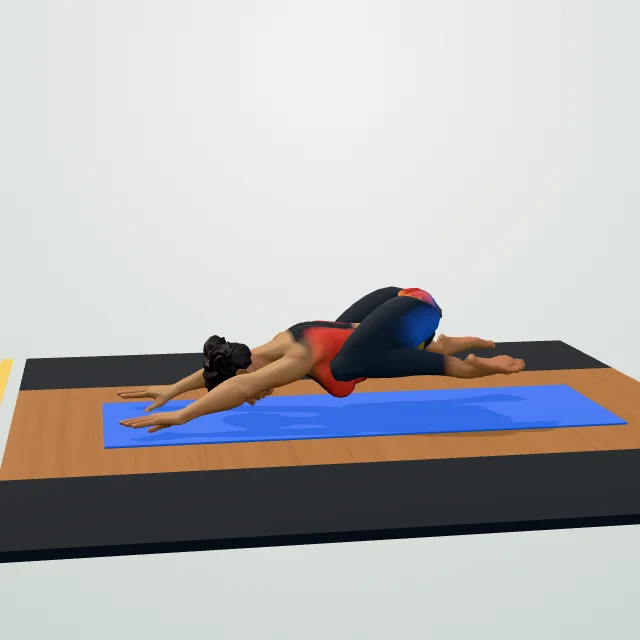 | Child's Pose | 45 s | 15 s |
| Round of 1 × 1 | |||
A morning workout routine like this one is a single 10-minute circuit designed to wake up your muscles, joints and mind before the rest of your day takes over, combining gentle mobility drills with a handful of bodyweight strength moves. It uses no equipment, runs five days a week, and is short enough to fit before a shower or breakfast even on a rushed weekday.
Who this morning workout is for
This routine suits anyone who wants to build a consistent exercise habit but struggles to find time later in the day, as well as people who simply feel better after moving first thing. It is gentle enough for complete beginners and works as a stand-alone routine or as a short warm-up before a longer session later in the day. If you want more strength stimulus than 10 minutes can give, consider it alongside a fuller plan like the beginner full-body workout on your gym days, using this morning flow on the days between.
How to run the session
This is one continuous circuit of ten movements, each done for 45 seconds with 15 seconds to transition to the next: cat-cow, arm circles, bodyweight squat, world’s greatest stretch, push-up, glute bridge, jumping jack, plank, marching in place, and finishing with child’s pose to bring your heart rate back down. Move through the list in order without stopping between exercises — the short transition time is enough to get into position for the next move, not a full rest.
How hard it should feel
The goal here is to wake your body up, not exhaust it before your day starts, so aim for an effort of about 5 or 6 out of 10 rather than pushing close to failure. On the push-up and plank, use an easier variation (knees down, or hands elevated on a chair) if the full version leaves you too fatigued to enjoy the rest of your morning. By the time you reach child’s pose at the end, your heart rate should be settling back down and your joints should feel looser than when you started, not more tired.
How to progress week to week
Because this circuit is time-based rather than rep-based, progress by doing more of each movement within the same 45 seconds as your fitness improves, or by moving to a harder variation — a full push-up instead of a knee push-up, or a jump squat instead of a bodyweight squat, once the current version feels easy throughout the full 45 seconds. If 10 minutes starts to feel too short, repeat the whole circuit twice for a 20-minute version, or add it as a warm-up before a proper strength session later in the day using the progressive overload guide to plan that main workout.
Adapting the workout: home, missing space, fewer exercises
Limited space: every exercise here fits in the footprint of a yoga mat, so this routine works in a small bedroom or hotel room as easily as at home. Short on time: cut the circuit to five exercises (cat-cow, bodyweight squat, push-up, glute bridge, plank) for a 5-minute version on your busiest mornings. Prefer more structure: the 7-minute workout is a similarly short, equipment-free option with a more strength-focused structure if you want to alternate between the two.
Recovery basics
Because the effort level here is moderate and the session is short, this routine does not need dedicated rest days the way a heavy strength session does — that is part of why it works well five days a week. If you feel unusually sore or fatigued after adding a harder variation, drop back to the easier version for a few sessions rather than pushing through discomfort. Getting a full night’s sleep will do more for how good you feel doing this routine than any change to the exercises themselves.
Common mistakes with a morning workout routine
- Skipping the gentler mobility moves: cat-cow and arm circles feel unimportant compared to push-ups, but they prepare stiff morning joints for the harder moves that follow.
- Going too hard too early: pushing to maximum effort right after waking, before your body has warmed up, raises injury risk. Ease into the first minute or two.
- Doing it inconsistently: the biggest benefit of a morning routine comes from repeating it daily, not from any single session being perfect. A shorter version done consistently beats a full version done rarely.
- Rushing straight from bed without any water: a small glass of water before you start helps, since you wake up mildly dehydrated after a night’s sleep.
- Treating it as a replacement for strength training: this routine maintains general mobility and activity, but it is not a substitute for a proper strength session if building muscle or getting stronger is your goal.
What to do next
Use the plan builder to pair this morning routine with a fuller strength plan on alternating days, or try the 7-minute workout for a slightly more structured short session. If mornings work well for you, the 6-minute dynamic warm-up and post-workout stretching routine are useful additions before and after any longer session you build around this one.
Questions people ask
Is a 10-minute morning workout enough exercise?
Do I need any equipment for this morning routine?
Why exercise in the morning instead of later in the day?
Can I do this morning workout every day?
What if I cannot do a full push-up in the morning?
How do I make this morning routine harder?
Should I eat before or after this morning workout?
General fitness information, not medical advice. Check with a doctor or physiotherapist before starting if you have a health condition, an injury or are pregnant. Stop if you feel chest pain, dizziness or sharp pain.