Cardio · Home, no equipment
Shadow boxing: real combos, no equipment needed
Shadow boxing is boxing training without a bag or partner: real punches, footwork and defence against an imaginary opponent. Here is how to do it with useful form instead of just flailing your arms.
- Primary
- Front deltsObliques
- Level
- Beginner
- Type
- Compound · Alternate sides
- Sets × reps
- 3 × 60 s
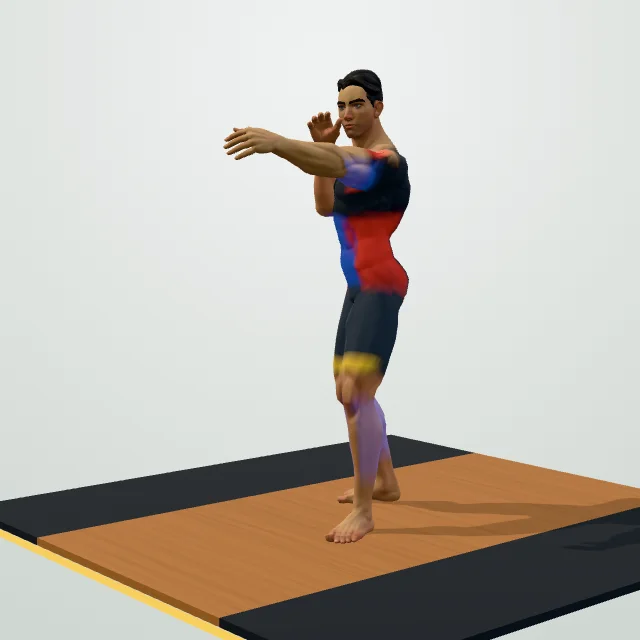
How to do it
- Stand in a staggered boxing stance, knees soft, both hands guarding your chin.
- Rotate your hips and shoulders first, letting the punch follow.
- Extend the punch fully, then snap it back to guard.
- Stay light on your feet, shifting weight between punches.
- String two or three punches into a combination.
- Keep moving and resetting your guard between combinations.
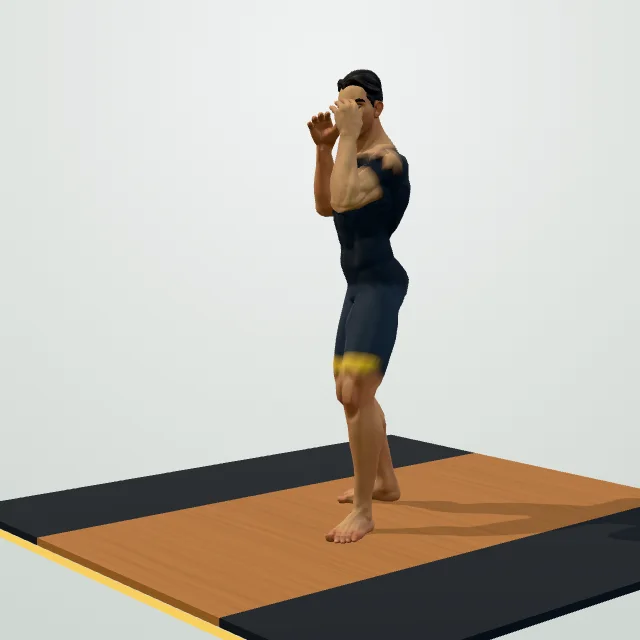
Coach cues
- Hands up, guarding your chin.
- Rotate your hips into the punch.
- Snap back to guard after each punch.
- Stay light on your feet, keep moving.
Breathing: Exhale sharply with each punch; keep breathing steady between combinations rather than holding it.
Common mistakes
Make it easier / Make it harder
Shadow boxing is throwing real punch combinations, footwork and head movement against an imaginary opponent instead of a bag or partner. It looks simple, but coaches use it as core training because it forces you to move, breathe and hold your guard the way you would in a real round, without anyone hitting back.
What muscles does shadow boxing work?
Every punch starts with a small hip and torso rotation, which loads the obliques and abs before the arm ever moves — punching from the arm alone is both weaker and more tiring. The front of the shoulders drives the punch out and the triceps straighten the arm at extension, while the shoulders and upper back also work isometrically to hold your guard up between combinations, which is often what burns out first. Constant footwork and weight shifting between punches keeps the calves and legs working throughout, more like a light continuous cardio load than a series of separate efforts.
Benefits
- Cardio without equipment. Continuous rounds of combinations and footwork raise your heart rate similarly to other bodyweight cardio, with no bag or gloves required.
- Technique practice. Because there is no resistance from a bag, shadow boxing lets you focus entirely on form, footwork and defensive head movement.
- Shoulder and core endurance. Holding your guard up and rotating through punches for full rounds builds a specific kind of muscular endurance that lifting alone does not train.
- Coordination and rhythm. Stringing combinations together while moving your feet trains timing and body awareness that carries over to other sports.
Technique: stance, guard and punching
Start in a boxing stance with your feet staggered about shoulder-width apart, knees soft, and both hands up guarding your chin. Throw punches by rotating your hips and shoulders first, letting the arm follow rather than leading with it, and snap the punch back to guard immediately rather than leaving your hand extended. Stay light on your feet between combinations, shifting your weight and circling rather than standing flat-footed. The most common technical error is punching only with the arms while standing still — that turns shadow boxing into arm-flailing cardio instead of the technical drill it is meant to be. Picture a specific opponent's head height and distance so your punches have a real target rather than swinging at nothing.
How to program shadow boxing
| Use | Work | Rest |
|---|---|---|
| Warm-up | 1-2 rounds of 60-90 sec, light pace | 30-45 sec between rounds |
| Cardio / conditioning | 3-5 rounds of 2-3 min | 60 sec between rounds |
| Technique-focused practice | 2-3 rounds of 3 min, slower pace | 60-90 sec between rounds |
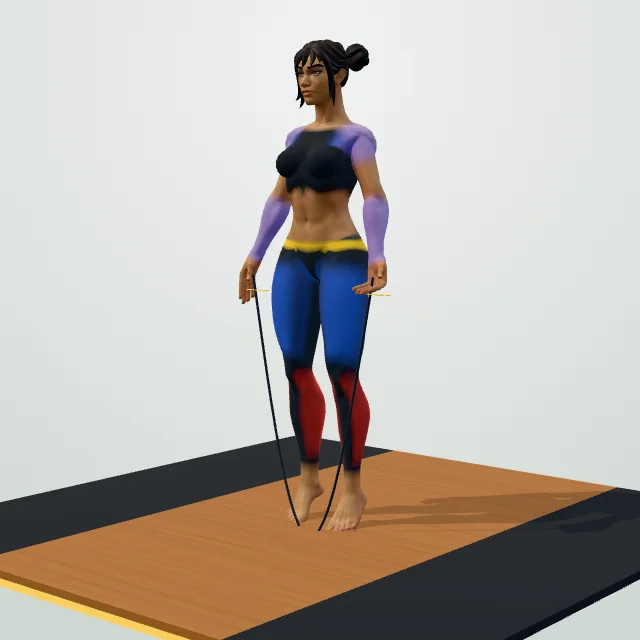
Using an interval timer set to boxing round length keeps your rounds and rest consistent, which matters more here than counting reps. Shadow boxing pairs naturally with jump rope and jumping jacks in a circuit, since all three train cardio without equipment, and it slots well into plans like the 15-minute HIIT workout. Track your heart-rate zone across a few rounds — a well-paced round with continuous footwork and combinations should sit most people around zone 3-4, higher during hard exchanges. For calorie tracking, the calories burned calculator gives an honest estimate based on your effort and body weight rather than an inflated number.
Variations and progressions
Beginners should start by learning four to six basic punches — jab, cross, hook, uppercut — one at a time before combining them, and shadow box in front of a mirror if possible to check that the guard stays up. Adding light dumbbells or resistance bands increases the load on the shoulders and can build punching endurance, but keep the weight light enough that it does not distort your technique into slower, stiffer movement. More advanced practice adds slips, rolls and lateral footwork between combinations, turning the drill into defensive practice as much as an offensive one. Shadow boxing with weights is a useful accessory tool, but it should not replace bag or partner work if the goal is developing real punching power.
Shadow boxing vs. heavy bag
A heavy bag gives real resistance and feedback on your punching power and hand position on impact, which shadow boxing cannot replicate. Shadow boxing's advantage is that it puts no impact stress on your hands and wrists, requires zero equipment, and lets you focus purely on footwork, distance and defensive movement without worrying about hitting anything. Most boxing training uses both: shadow boxing to warm up and refine technique, then bag or partner work to test it under resistance.
Safety and who should modify it
Keep punches controlled rather than maximal effort if you have shoulder pain, and check with a doctor or physiotherapist first if you have a heart or blood-pressure condition, since rounds can get intense quickly.
Shadow boxing is low-impact on the joints compared with running-based cardio, but the constant shoulder rotation can aggravate an existing shoulder problem if your guard position is poor. Keep your shoulders relaxed between punches rather than shrugged up toward your ears, and stop a round if you feel sharp joint pain, chest pain, dizziness or unusual breathlessness.
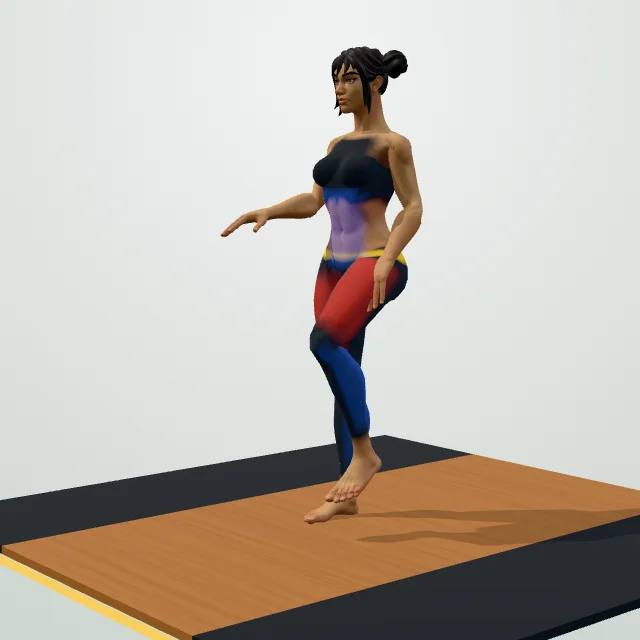
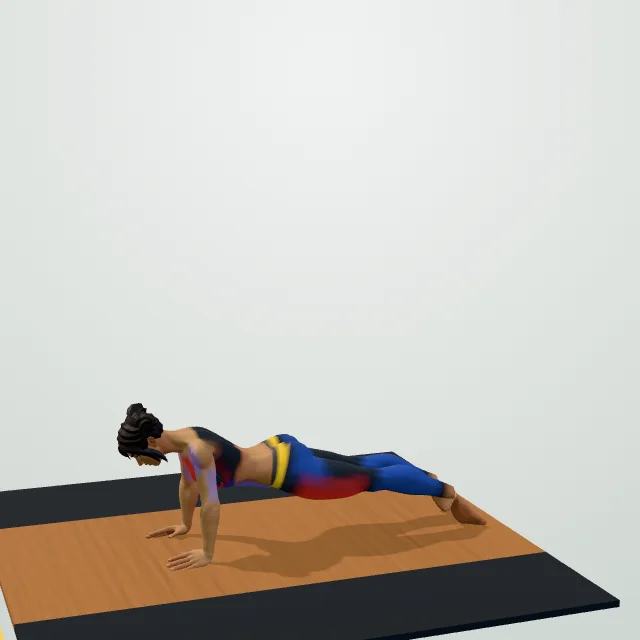
More exercises for cardio
Questions people ask
What is shadow boxing?
What muscles does shadow boxing work?
Is shadow boxing a good cardio workout?
Does shadow boxing build muscle?
How do I start shadow boxing as a beginner?
Shadow boxing vs. a heavy bag — what is the difference?
Is shadow boxing good for weight loss?
General fitness information, not medical advice. Check with a doctor or physiotherapist before starting if you have a health condition, an injury or are pregnant. Stop if you feel chest pain, dizziness or sharp pain.