General fitness · Beginner
10-minute ab workout: a no-equipment core circuit
This ab workout runs ten core exercises in one circuit — 40 seconds of work, 20 seconds of rest, no equipment — covering your upper abs, lower abs and obliques in about 10 minutes.
Your week
Sessions
Core circuit
| Exercise | Work | Rest | |
|---|---|---|---|
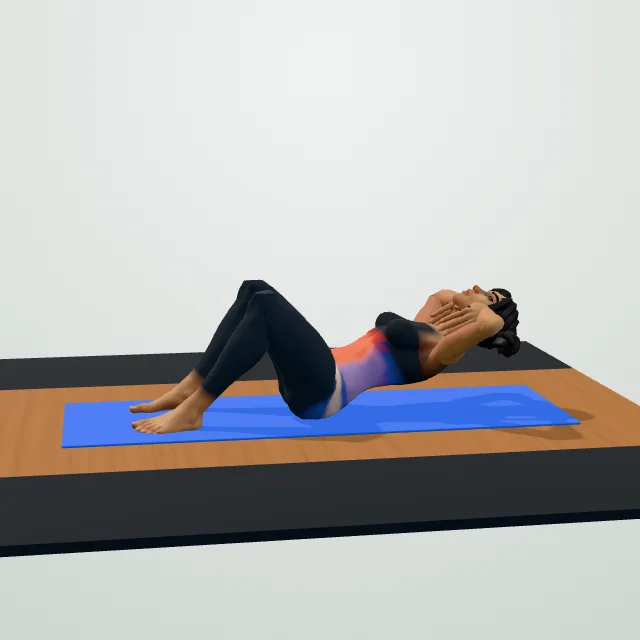
| Crunch | 40 s | 20 s |
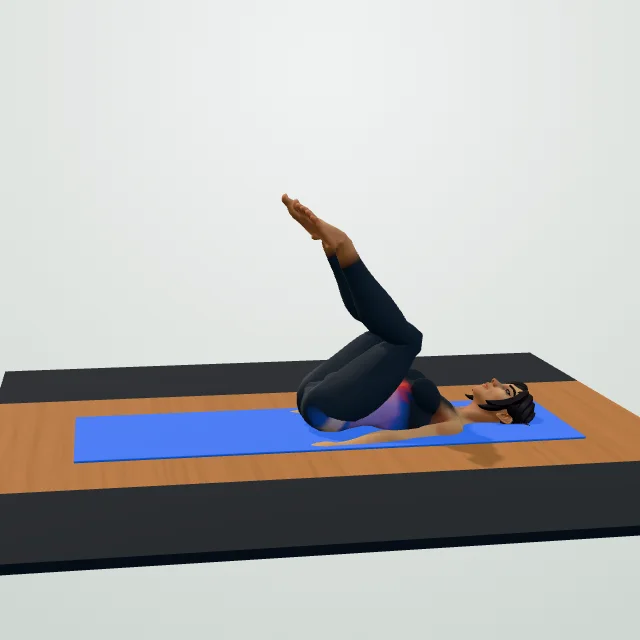 | Reverse Crunch | 40 s | 20 s |
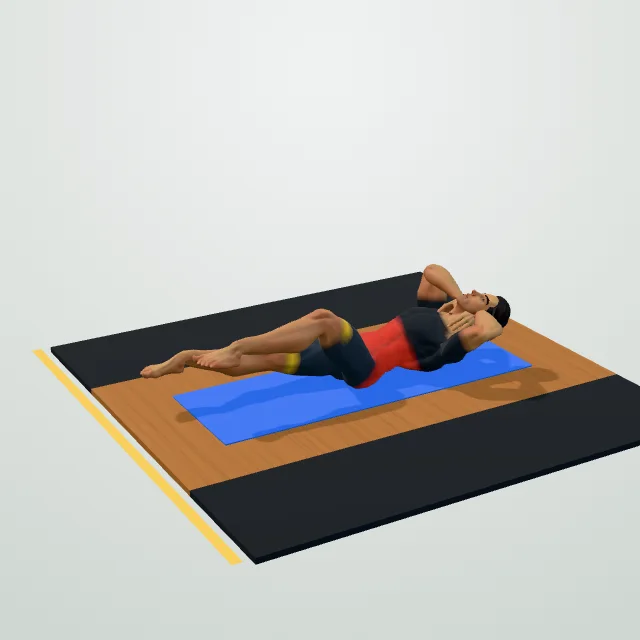 | Bicycle Crunch | 40 s | 20 s |
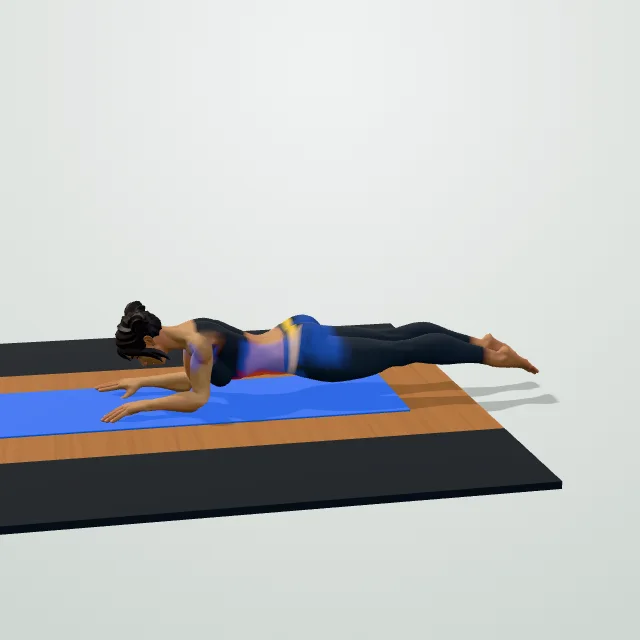 | Plank | 40 s | 20 s |
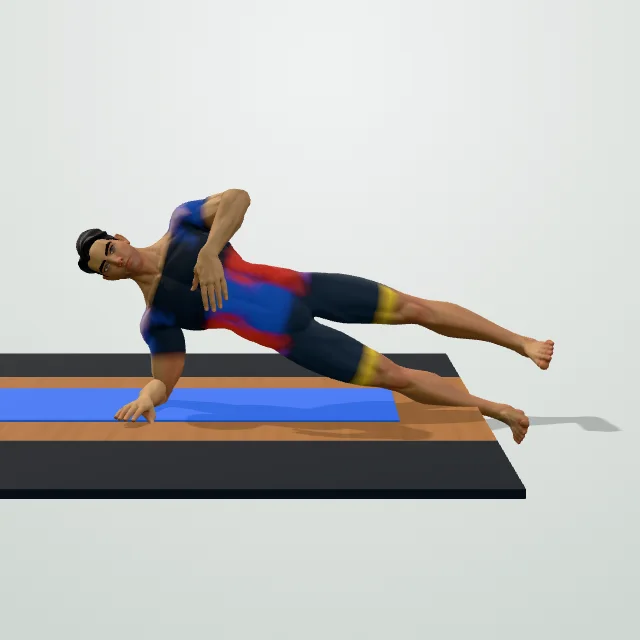 | Side Plank | 40 s | 20 s |
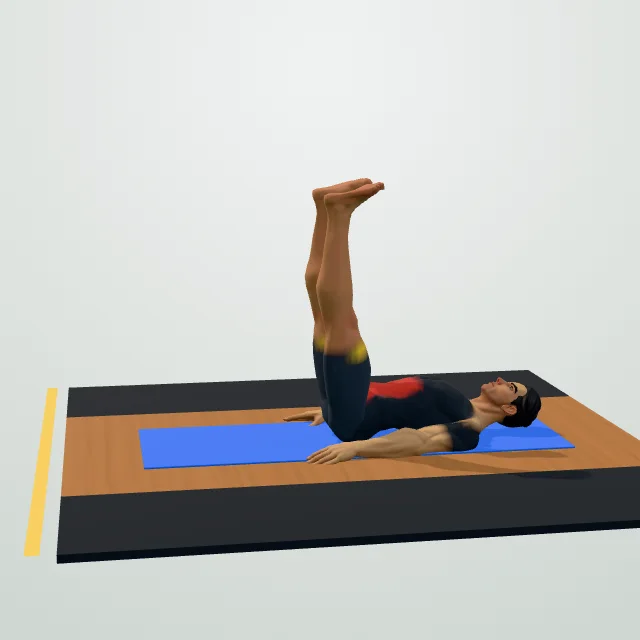 | Lying Leg Raise | 40 s | 20 s |
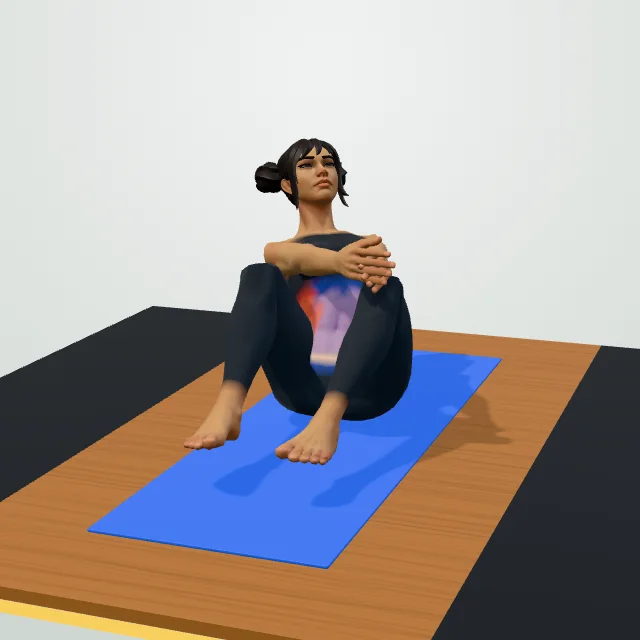 | Russian Twist | 40 s | 20 s |
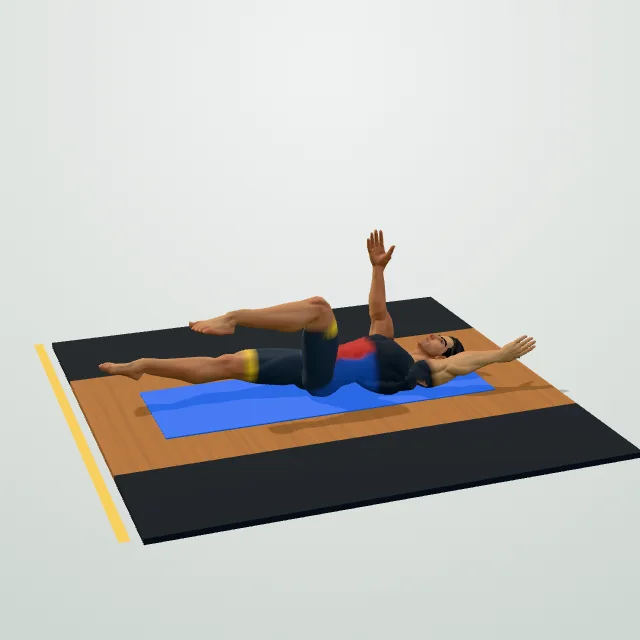 | Dead Bug | 40 s | 20 s |
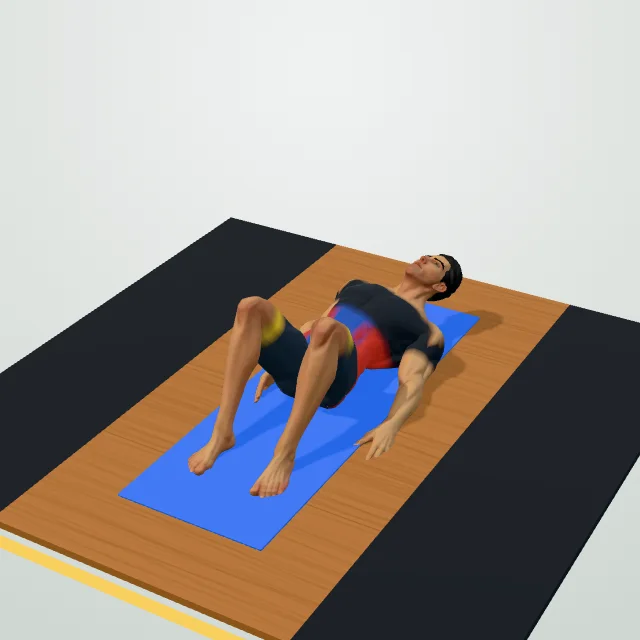 | Heel Touches | 40 s | 20 s |
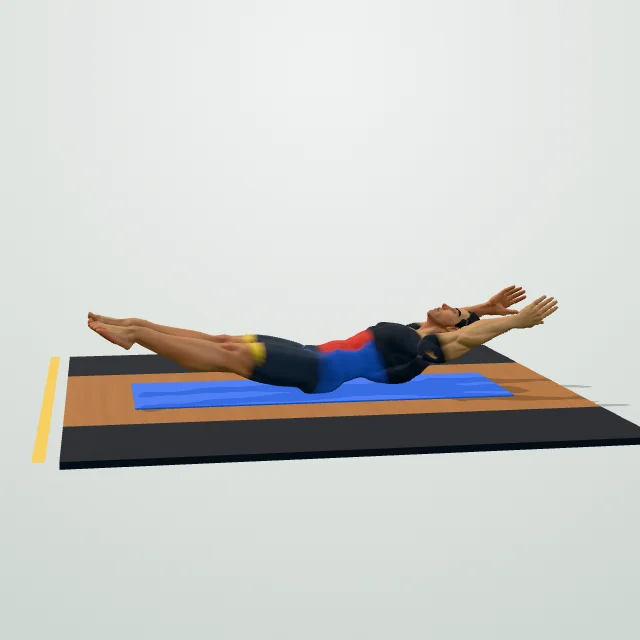 | Hollow Body Hold | 40 s | 20 s |
| Round of 1 × 1 | |||
How to progress
- Visible abs depend on body fat; this circuit builds a strong, stable core that protects your back.
An ab workout that covers the whole core in a short time needs variety, not just endless crunches, and this 10-minute circuit does that with ten different exercises — crunches and reverse crunches for the rectus abdominis, side planks and Russian twists for the obliques, and planks and dead bugs for deep core stability — done back to back with short rest.
Who this ab workout is for
This suits anyone who wants a quick, equipment-free core session at home, whether as a standalone workout or added onto the end of a strength session. It is beginner-friendly since each exercise has an easier regression built into how you perform it (bent knees on the leg raise, a shorter hold on the plank), but it still challenges more experienced trainees when done with full effort and controlled form. If you want core work built into a fuller strength plan instead of a standalone session, most of Forma's other plans — like the beginner full-body workout — already include a plank or dead bug for the same reason. For a broader hip and glute-focused session, see the glute workout plan.
How to run the session
Warm up briefly — a minute of light movement like marching in place is enough before core work, since this circuit itself acts as a gradual warm-up for your midsection. Move through all ten exercises once, 40 seconds of work followed by 20 seconds of rest, transitioning straight from one exercise to the next once the round finishes. Keep your lower back pressed gently into the floor on crunch-style moves rather than letting it arch, and breathe throughout every exercise — holding your breath on ab work raises blood pressure unnecessarily and does not make the exercise more effective.
Choosing your effort level
There is no external weight here — your main adjustments are range of motion and how strict your form stays under fatigue. On the plank and side plank, hold with your hips level and no sagging rather than chasing a longer time with poor form; a shorter, well-held plank trains the core better than a longer one where your hips drop. On the leg raise and hollow body hold, keep your lower back flat against the floor — if it starts to arch, that is your signal to bend your knees more or shorten the hold rather than pushing through poor positioning.
Week-to-week progression, with numbers
Progress this circuit mainly through control and range of motion rather than adding weight: aim to complete every exercise with a full, controlled range of motion and no momentum before extending your hold times or adding a second round. Once one round at 40/20 feels manageable with strict form throughout, running the full circuit twice back to back is a reasonable next step. Visible abs ultimately depend on body fat levels more than the specific ab exercises you do — this circuit builds a strong, stable core that protects your back and improves posture, which matters regardless of how visible your abs currently are.
Adapting the workout: harder, easier, limited space
Want it harder: add ankle weights to the leg raise and reverse crunch, or slow the tempo down (a 3-second lowering phase on every rep) rather than doing more total reps sloppily. Find crunches or sit-up variations uncomfortable on your lower back: swap toward the plank, side plank, dead bug and hollow body hold, which load the spine less while still training the same core muscles — these are also a good substitute if you have a diagnosed disc issue, alongside guidance from a physiotherapist. Limited space: every exercise here fits on a yoga-mat-sized area.
Recovery, sleep and nutrition basics
Your core recovers relatively quickly compared to larger muscle groups, so 3 sessions a week (as scheduled) works well for most people, though daily light core work is also generally well tolerated if you enjoy it. Sleep and overall recovery still matter for how quickly any soreness fades — see the muscle soreness guide for what is normal. If visible abs specifically are your goal, that comes down mostly to lowering overall body fat through a modest, sustained calorie deficit and adequate protein (roughly 1.6 g per kg of body weight a day if you are also strength training) — no ab exercise, however intense, will make abs visible through a layer of body fat on top of them.
Common mistakes on ab workouts (and why they hurt)
- Pulling on your neck during crunches: this is the most common cause of neck soreness after ab work — rest your fingertips lightly behind your head for support and lead the movement with your abs, not your hands.
- Letting your lower back arch off the floor: this is why some people feel back discomfort on leg raises and reverse crunches — keep your lower back pressed down or bend your knees more until you can maintain that position.
- Holding your breath through the whole set: breathing normally throughout ab work is both safer for blood pressure and actually helps you engage your core muscles more effectively.
- Doing only crunches and skipping planks or anti-rotation work: a well-rounded core routine trains flexion, anti-extension and rotation control, not just one movement pattern repeated many times.
- Expecting visible abs from this circuit alone: a strong core is a real result of consistent training; visible ab definition depends mainly on body fat, which this circuit does not directly control.
What to do next
Use the HIIT and Tabata interval timer to run this circuit's 40/20 timing hands-free. If you want to build overall fitness alongside core strength, the beginner full-body workout or 4-week fat-loss workout plan add strength and conditioning work around a similar core focus, and the how to lose fat with exercise guide covers the body-fat side of visible abs in more depth.
Questions people ask
Why does my back hurt during ab workouts?
Why does my neck hurt after doing crunches?
Will this ab workout give me a six-pack?
Is a 10-minute ab workout enough?
Can I do this ab workout every day?
Do I need equipment for this ab workout?
Can ab workouts cause stomach pain or bloating?
General fitness information, not medical advice. Check with a doctor or physiotherapist before starting if you have a health condition, an injury or are pregnant. Stop if you feel chest pain, dizziness or sharp pain.