Abs and core · Home, no equipment
Heel touches: a beginner-friendly move for the obliques
Heel touches are a floor exercise where you reach side to side to tap each heel, using a small crunch to work the obliques without loading the lower back.
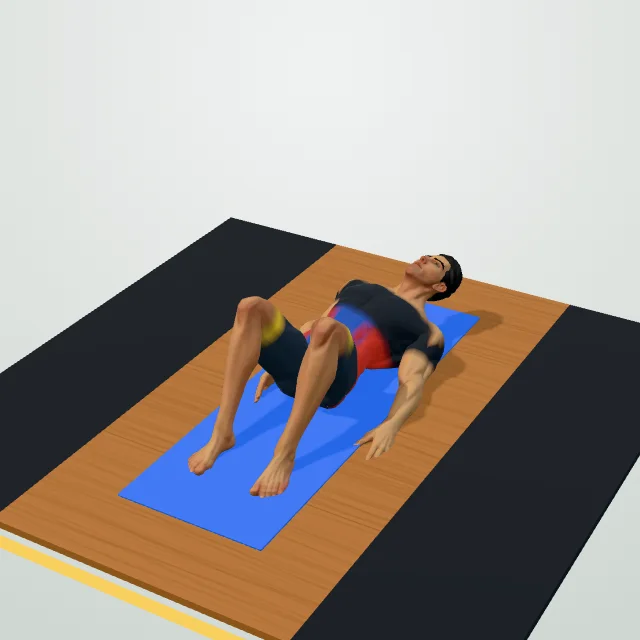
How to do it
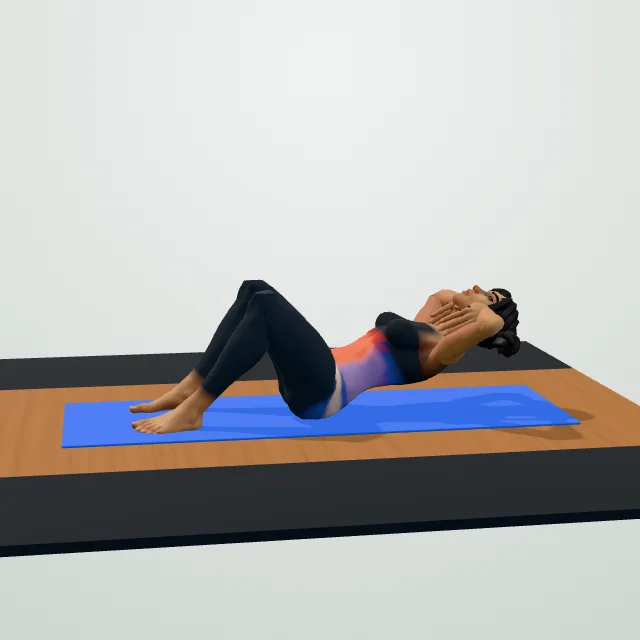
- Lie on your back, knees bent, feet flat, hip-width apart.
- Lift your head, neck, and shoulder blades slightly off the mat.
- Reach one hand down and to the side to tap that heel.
- Return to center under control.
- Reach the other hand to tap the opposite heel.
- Keep the small crunch held throughout the set.
- Repeat, alternating sides at a controlled pace.
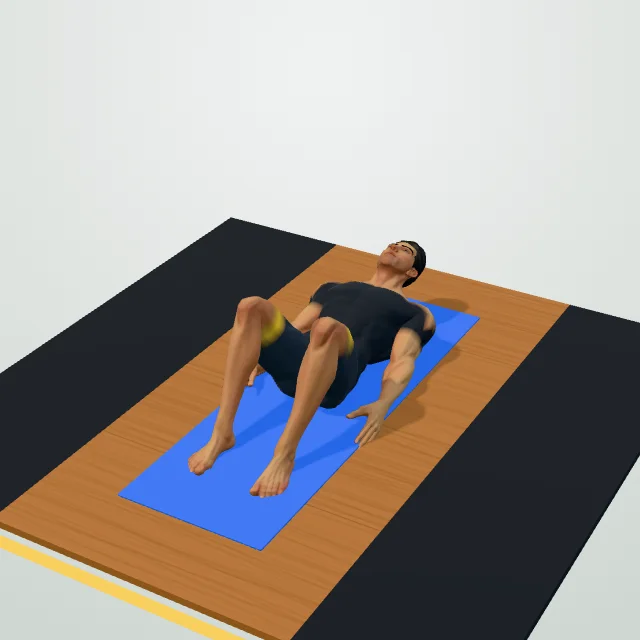
Coach cues
- Lift your shoulder blades and hold.
- Reach with a small crunch, not a swing.
- Keep your lower back on the floor.
- Move slowly, alternate sides.
Breathing: Breathe out as you reach to tap each heel, breathe in as you return to center.
Common mistakes
Make it easier / Make it harder
Sets and reps by goal
| Goal | sets | reps | Rest |
|---|---|---|---|
| Strength | 4–5 | 6–8 | 90–120 s |
| Muscle growth | 3–4 | 10–15 | 60–90 s |
| Endurance | 2–3 | 15–25+ | 30–60 s |
Heel touches are a simple floor exercise: lie on your back with your knees bent, lift your shoulder blades slightly off the mat, and reach side to side to tap each heel in turn. It looks almost too easy, but that small oblique crunch, repeated for reps, is a genuinely effective and joint-friendly way to train the sides of your core.
What muscles heel touches work
Heel touches target the obliques, the muscles running down the sides of your torso, which shorten each time you crunch and reach toward a heel. Your rectus abdominis assists by holding the small lift of your shoulder blades off the floor throughout the set. Because your feet stay flat on the floor and your hips barely move, your hip flexors do very little of the work compared with exercises like leg raises or sit-ups, which is part of what makes heel touches a comfortable choice for people building up their core from scratch.
Benefits of heel touches
- No equipment, low learning curve. You can do heel touches on any floor with no setup, which makes them an easy first oblique exercise.
- Gentle on the lower back. With your feet planted and hips still, there is little of the lower-back strain that heavier twisting or leg-raise exercises can cause for beginners.
- Isolates the obliques. The small range of motion keeps the focus on the sides of the core rather than turning it into a full-body movement.
- Easy to slot in anywhere. They work as a warm-up activation drill, a finisher, or part of a longer core circuit.
Technique: how to do heel touches correctly
Lie on your back with your knees bent and feet flat on the floor, about hip-width apart, arms resting by your sides. Lift your head, neck, and shoulder blades a few inches off the mat and hold that small crunch for the entire set — this is the position heel touches are done from, not something you re-do each rep. Keeping your lower back gently pressed toward the floor, reach one hand down and to the side to tap that heel, using a small crunch and side bend rather than swinging your arm. Return to center and reach the other way to tap the opposite heel. That is one alternating rep.
Move at a controlled pace rather than rushing — heel touches lose most of their value if you swing quickly from side to side using momentum instead of a genuine oblique contraction. Keep your chin lifted slightly away from your chest so you are not pulling on your neck with your hand.
How to program heel touches
| Goal | Sets | Reps | Rest |
|---|---|---|---|
| Beginner / core endurance | 2–3 | 16–20 total taps | 30–45s |
| Intermediate | 3 | 20–30 total taps | 30s |
Because the range of motion is small, heel touches respond well to higher reps rather than heavy loading. Once 20–30 controlled taps feel easy, progress the difficulty rather than only adding more reps — see the variations below. They fit well two to three times a week as part of a short core routine or a dedicated abs workout.
Variations and progressions
To make heel touches harder, slow the tempo down and add a 1-second pause at each heel, lift your feet slightly off the floor to remove the stability they provide, or hold a light dumbbell in each hand for extra resistance. Elevating your legs to a tabletop position and touching toward your shins instead of your heels increases the range and difficulty further. If your neck bothers you in this position, drop your head fully to the mat between reps rather than holding the crunch continuously.
Heel touches vs. bicycle crunch vs. Russian twist
Heel touches are the gentler, more beginner-friendly cousin of the bicycle crunch, which adds knee-driving hip flexion and a larger range of motion for more advanced trainees. The Russian twist trains a similar oblique pattern but from a seated position with more rotation and, often, added weight. If heel touches feel too easy after a few weeks, either of these is a sensible next step.
Safety: who should modify or avoid it
Stop if you feel strain in your neck rather than your obliques — this usually means you are pulling your head forward with your hand instead of letting your abs hold the small crunch. If you feel any pulling or sharp pain in your lower back, keep your feet flat and reduce the range until it disappears, and check with a doctor or physiotherapist if pain continues, or if you are pregnant and unsure which core exercises are appropriate.
Workout plans with this exercise
More exercises for abs and core
Questions people ask
What muscles do heel touches work?
Are heel touches effective for abs?
How do I do heel touches without hurting my neck?
How do I make heel touches harder?
Heel touches vs bicycle crunch: what is the difference?
How many heel touches should a beginner do?
General fitness information, not medical advice. Check with a doctor or physiotherapist before starting if you have a health condition, an injury or are pregnant. Stop if you feel chest pain, dizziness or sharp pain.