Abs and core · Home, no equipment
Lying leg raise: lower-ab work without leaving the floor
The lying leg raise lifts your straight legs from the floor using your abs and hip flexors, with no equipment and no need to hang from a bar — a simple way to target the lower part of your core.
- Primary
- AbsHip flexors
- Level
- Beginner
- Type
- Isolation · Both sides together
- Sets × reps
- 3 × 10-15 reps
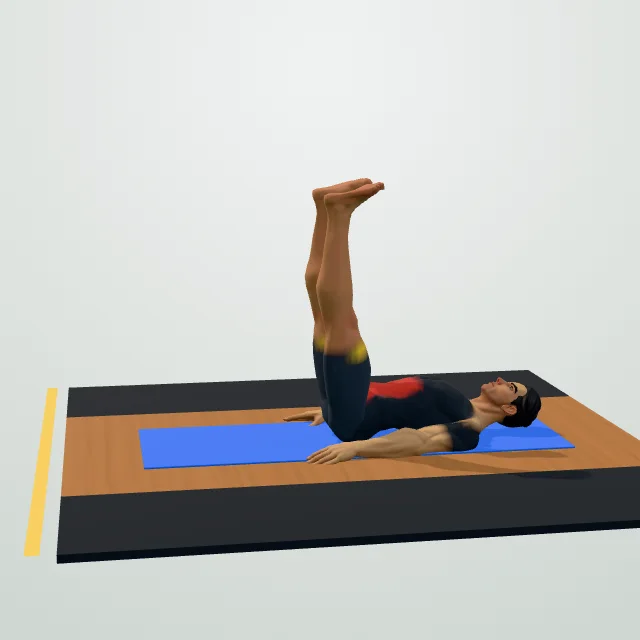
How to do it
- Lie on your back, legs straight, hands by your sides.
- Press your lower back flat into the floor.
- Lift your legs together toward vertical.
- Pause briefly near the top.
- Lower your legs slowly under control.
- Stop before your lower back starts to arch.
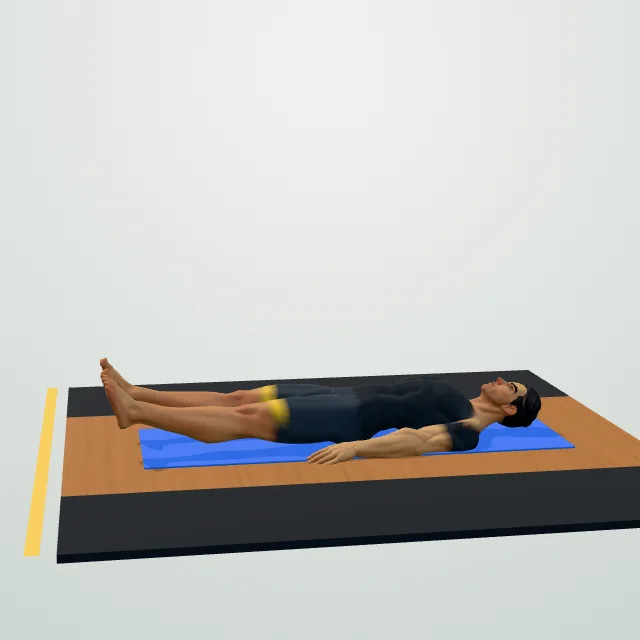
Coach cues
- Press your lower back flat.
- Lift both legs together, slow and steady.
- Pause near the top.
- Lower down, stop before your back arches.
Breathing: Breathe out as you lift your legs, breathe in as you lower them.
Common mistakes
Make it easier / Make it harder
Sets and reps by goal
| Goal | sets | reps | Rest |
|---|---|---|---|
| Strength | 4–5 | 6–8 | 90–120 s |
| Muscle growth | 3–4 | 10–15 | 60–90 s |
| Endurance | 2–3 | 15–25+ | 30–60 s |
The lying leg raise works your abs and hip flexors by lifting your straight legs off the floor while your upper body stays flat, isolating the lower half of the core movement that a sit-up or crunch does with the upper half. It needs no equipment, making it one of the most accessible lower-ab exercises around.
Muscles worked and why the "lower abs" idea is only partly true
Your abs and hip flexors work together to raise and lower your legs against gravity, with your abs mainly stopping your lower back from arching off the floor rather than doing the lifting themselves — that job belongs largely to your hip flexors. People often call this "lower ab" work, but you cannot isolate the lower fibers of one continuous abdominal muscle; what changes is how hard your abs have to brace to keep your pelvis and spine stable while your hip flexors do the heavy lifting.
Benefits
Leg raises build hip flexor strength and core control that transfers to running, kicking, and any sport that involves lifting the legs, and they teach you to keep your lower back flat against the floor under load — a useful skill for protecting your spine in other lifts. They require no setup, so they are easy to add to any home or gym session. Like all ab work, leg raises strengthen the muscle but will not spot-reduce fat from your stomach; visible abs come from overall body fat, which depends on diet and total activity.
Technique in detail
Lie on your back with your legs straight and your hands flat under your lower back or by your sides for support. Press your lower back into the floor before you start, then lift your straight legs together until they are roughly vertical, keeping a slight bend in the knees if a fully straight leg feels too demanding on your hamstrings. Lower your legs back down slowly, stopping just before your lower back starts to arch off the floor — that point marks the bottom of your safe range for now, and it will get lower as your core strength improves.
How to program it
3 sets of 10–15 controlled reps is a solid target, prioritizing a flat lower back over how low the legs go. If you cannot keep your back flat for a full rep, shorten the range rather than forcing it — a smaller, controlled range beats a bigger one with an arching back. Train it 2–3 times a week as part of a core circuit, pairing it with a bracing exercise such as the plank or dead bug for a well-rounded core routine.
Variations and progressions
Bend your knees to shorten the lever and make the exercise easier, or place your hands under your hips for extra lower-back support while you build strength. Once the basic lying leg raise feels easy, add ankle weights, slow the tempo, or progress to the hanging leg raise or hanging knee raise, which remove the floor's support entirely and demand far more grip and core control.
Leg raise vs reverse crunch
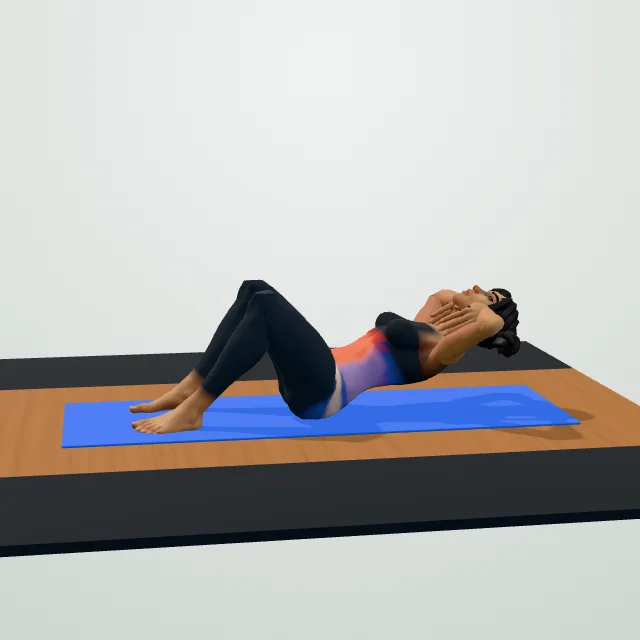
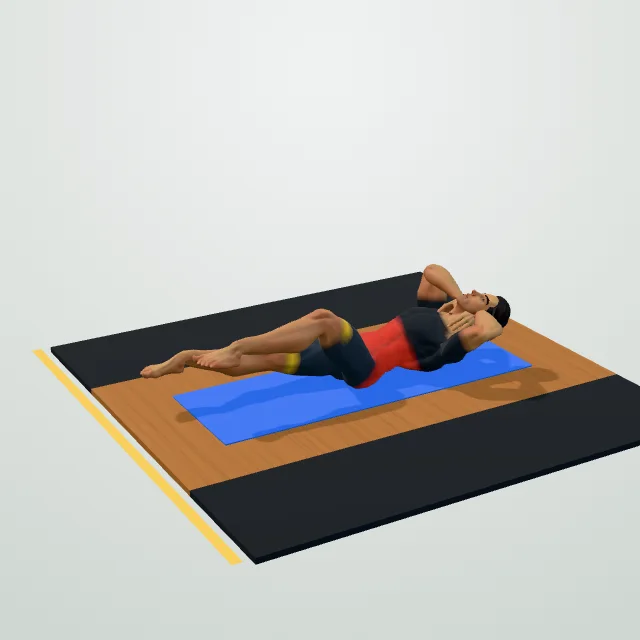
A leg raise keeps your hips still on the floor and moves only your legs, while a reverse crunch curls your hips and pelvis up off the floor at the top. The reverse crunch shortens the abs more directly and is often gentler on the lower back for beginners, while the leg raise builds more hip flexor strength and control through a longer lever.
Safety notes
The main risk with lying leg raises is letting the lower back arch off the floor, which shifts strain onto the spine instead of the abs — if you feel back discomfort rather than an ab burn, shorten your range or bend your knees more. Anyone with existing lower back pain, a hip flexor injury, or diastasis recti (abdominal separation) should check with a physiotherapist before adding this exercise. Do not hold your breath through the lift, and stop for any sharp or shooting pain.
Where it fits in a workout
Lying leg raises fit well toward the end of a session, in a dedicated abs workout, or paired with a bracing move earlier in the same block. Because they need no equipment, they also work as a simple addition to a home routine built with the plan builder, alongside other bodyweight core exercises.
Workout plans with this exercise
More exercises for abs and core
Questions people ask
How do you do a lying leg raise correctly?
What muscles does the leg raise work?
Do leg raises target the lower abs specifically?
Are leg raises good for beginners?
What is a good alternative to leg raises?
Why does my lower back hurt during leg raises?
Do leg raises help lose belly fat?
General fitness information, not medical advice. Check with a doctor or physiotherapist before starting if you have a health condition, an injury or are pregnant. Stop if you feel chest pain, dizziness or sharp pain.