Mobility and stretching · Home, no equipment
Kneeling hip flexor stretch: relief for desk-tight hips
A half-kneeling lunge with a gentle tuck at the hips stretches the muscles that shorten from hours of sitting, and it needs nothing but floor space.
- Primary
- Hip flexors
- Secondary
- Quads
- Level
- Beginner
- Type
- Isolation · One side, then the other
- Sets × reps
- 1 × 30 s hold per side
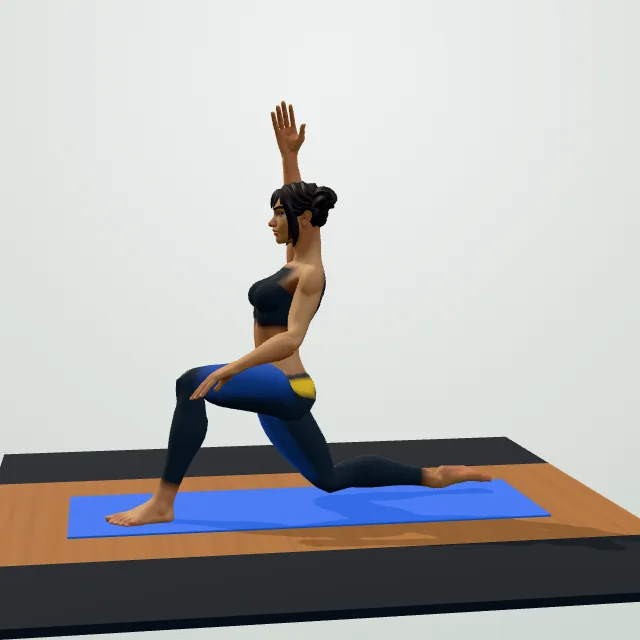
How to do it
- Kneel on one knee with the other foot planted in front.
- Set both knees at roughly right angles, padding the back knee.
- Tuck your pelvis under and squeeze the glute on the back leg.
- Keep your torso upright and shift your hips forward slightly.
- Stop once you feel a stretch at the front of the back hip.
- Hold, breathing steadily, then return to the start.
- Switch sides and repeat.
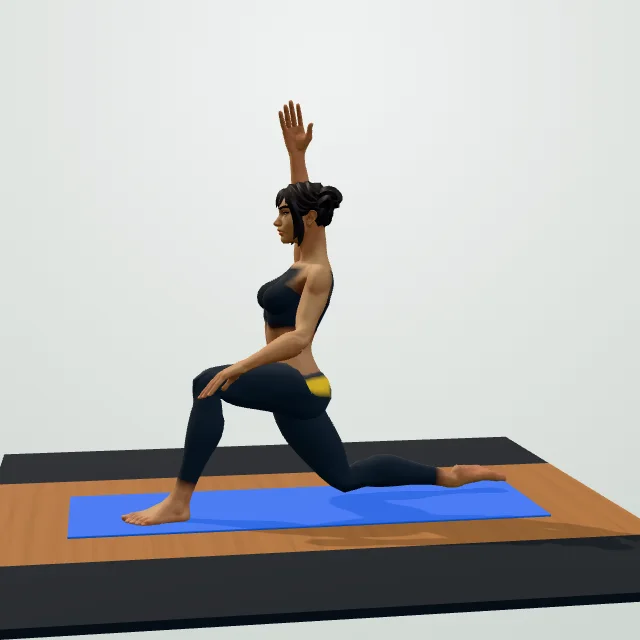
Coach cues
- Tuck your pelvis, squeeze the back glute.
- Keep your torso tall, not leaning forward.
- Shift forward gently until you feel the stretch.
- Breathe slow and steady through the hold.
Breathing: Breathe slowly and steadily throughout the hold; do not hold your breath.
Common mistakes
Make it easier / Make it harder
The hip flexor stretch done from a half-kneeling lunge targets the muscles at the front of your hip — the ones that shorten from hours spent sitting and rarely get stretched during a normal workout. A daily minute or two here is one of the simplest fixes for the tight, "stuck forward" feeling many people notice at the front of their hips.
Muscles worked and why the front hip tightens up
Your hip flexors — including the psoas, which runs from your lower spine to the top of your thigh — are the main target, with the quads assisting since they cross the front of the hip as well. Sitting keeps these muscles in a shortened position for hours at a time, and they adapt to that length, which is why standing up straight and pushing your hip fully into extension can feel restricted until you stretch them regularly.
Benefits
Loosening the hip flexors can make it easier to stand tall without your pelvis tipping forward, and it often reduces the pulling sensation some people feel in the front of the hip or lower back after long sitting. Runners and cyclists, whose hips spend a lot of time in a flexed position, commonly use it to keep the front of the hip from becoming the limiting factor in their stride. It also complements strength work like squats and lunges, where a tight hip flexor can shorten your range if left unaddressed.
Technique: getting the tuck right
Kneel on one knee with the other foot planted in front, both knees roughly at right angles, and place a folded towel or mat under the back knee for comfort. Gently tuck your pelvis under — think about flattening your lower back slightly and squeezing the glute on the back leg — before shifting your hips forward. This tuck is the detail most people skip, and without it the stretch mostly loads the lower back instead of the hip flexor. Keep your torso upright rather than leaning forward, and stop shifting forward once you feel a stretch at the front of the back hip, not a pinch in your lower back.
Dynamic vs. static: when to do this stretch
This is a static stretch — you hold a still position rather than moving through reps — which makes it best suited to after a workout, during a cool-down, or on its own during the day rather than immediately before heavy lifting. Aim to hold each side for 20–60 seconds, breathing steadily rather than holding your breath, and repeat 2–3 times per side if the hip still feels tight. If you want a similar hip-opening effect before training, a dynamic option like the world's greatest stretch or a few leg swings is the better warm-up choice.
How often to stretch tight hip flexors
Doing this stretch daily, especially after long periods of sitting, tends to work better than doing it once a week for longer holds. Many people pair it with their post-workout stretching routine or do a short set at the end of a workday. See our warm-up guide and guide to muscle soreness for how stretching like this fits around training and recovery more broadly.
Variations: standing and the couch stretch
A standing version — pulling one foot back behind you and pushing the hip forward while holding a wall for balance — works if kneeling is uncomfortable or you are stretching on the go. For a deeper stretch once the basic version feels easy, the "couch stretch," with your back foot propped up against a wall or sofa, adds more knee bend and a stronger stretch through the same muscles, though it is worth building up to it gradually. The standing quad stretch is a natural pairing since it targets the overlapping muscle group from a different angle.
Safety notes
Ease into the stretch and stop at a comfortable pull rather than forcing the hip forward — sharp pain in the groin or front of the hip is a sign to back off, not push through. If you have a hip replacement, a recent hip or groin injury, or you are pregnant, check with a doctor or physiotherapist before adding a deep hip stretch like this one. People with very flexible or hypermobile joints should also stop at a mild stretch rather than chasing the deepest possible range.
Workout plans with this exercise
More exercises for mobility and stretching
Questions people ask
How long should you hold a hip flexor stretch?
What muscles does the kneeling hip flexor stretch target?
Why do my hip flexors feel so tight?
Should I do the hip flexor stretch before or after a workout?
What is the most common mistake in this stretch?
Is the hip flexor stretch safe during pregnancy?
What is a good hip flexor stretch alternative?
General fitness information, not medical advice. Check with a doctor or physiotherapist before starting if you have a health condition, an injury or are pregnant. Stop if you feel chest pain, dizziness or sharp pain.