Mobility and stretching · Home, no equipment
Figure-four glute stretch: pull the knee, not the ankle
Crossing one ankle over the opposite knee and drawing the legs toward your chest is one of the most effective stretches for a tight glute, and it works lying down, seated, or standing.
- Primary
- Glutes
- Secondary
- Outer hipsLower back
- Level
- Beginner
- Type
- Isolation · One side, then the other
- Sets × reps
- 1 × 30 s hold per side
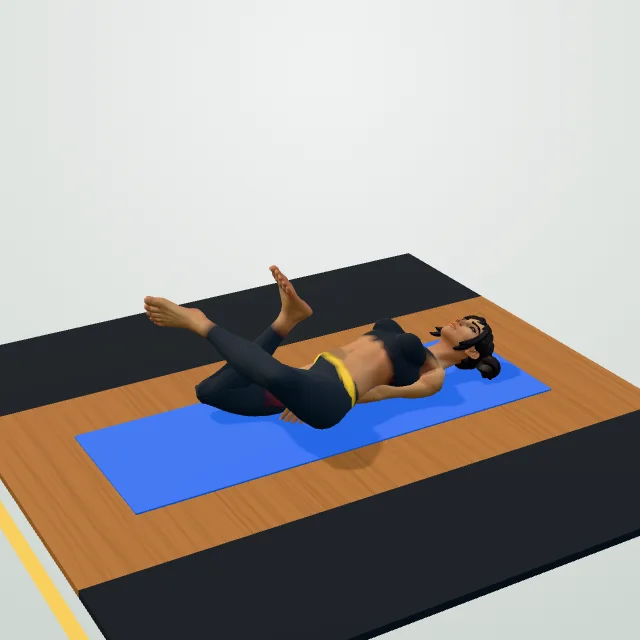
How to do it
- Lie on your back with both knees bent.
- Cross one ankle over the opposite knee.
- Reach both hands behind the uncrossed thigh.
- Draw both legs gently toward your chest.
- Press the crossed knee slightly away from your body.
- Hold, breathing steadily, feeling the stretch in the glute.
- Switch sides and repeat.
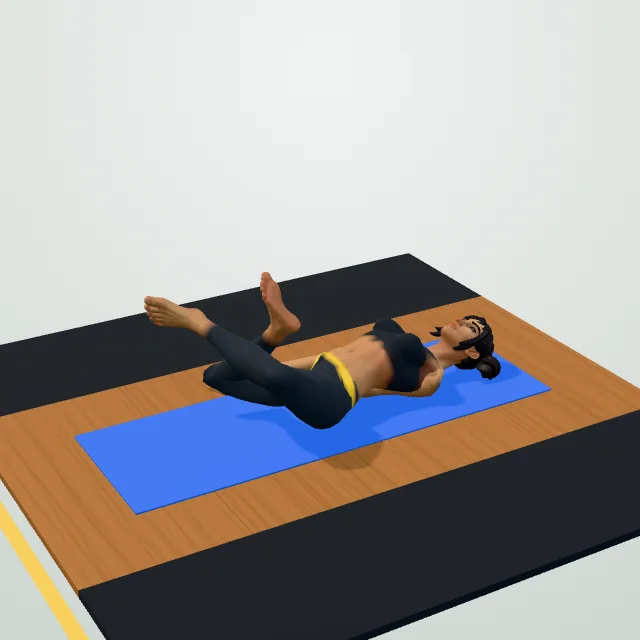
Coach cues
- Keep the crossed foot flexed.
- Pull from behind the thigh, not the ankle.
- Press the crossed knee gently outward.
- Breathe steady, no bouncing.
Breathing: Breathe steadily throughout the hold; do not hold your breath or yank the legs in.
Common mistakes
Make it easier / Make it harder
The figure-four glute stretch crosses one ankle over the opposite knee, forming the shape that gives it its name, then draws the legs toward your chest to lengthen a tight glute. It is one of the most reliable stretches for glute and outer-hip tightness, largely because the crossed-leg position isolates the muscle so directly.
Muscles worked and why the glutes get tight
This stretch mainly lengthens the glutes, particularly the deeper glute muscles and the piriformis underneath them, with the hip abductors on the outside of the hip and the lower back sharing some of the stretch as you pull the legs in. Sitting for long stretches shortens the glutes without ever taking them through a full range, and heavy lower-body training can leave them feeling tight without a matching stretch to balance it out.
Benefits
Loosening the glutes with this stretch can ease a deep ache in the hip or upper glute after sitting for long periods or after a hard leg session, and it can make squatting and hip-hinge movements like the hip thrust feel less restricted. Some people also find it eases discomfort along the outer hip or upper glute that comes from a tight piriformis, though it will not resolve nerve-related pain on its own.
Technique: pull from behind the thigh, not the crossed ankle
Lie on your back, cross one ankle over the opposite knee, then reach both hands behind the uncrossed thigh and draw both legs toward your chest. Keep the crossed foot flexed rather than pointed, and press the crossed knee gently away from your body rather than letting it collapse inward. Pull from behind the standing thigh, not by tugging the crossed ankle, and you should feel the stretch deep in the glute of the crossed leg, not in your knee.
Dynamic vs. static: when to stretch your glutes
This is a static stretch — a still hold rather than a moving one — best done after training or any time the hips feel stiff, once the muscles are already warm. Hold for 20–60 seconds per side, breathing steadily rather than yanking the legs closer with each exhale. Before a workout, warm the hips with a dynamic option such as hip circles instead, which moves the joint through its range without the brief strength dip a long static hold can cause right before squats or lunges.
How to program it
Hold each side for 20–60 seconds and repeat once or twice if one hip feels noticeably tighter, ideally as part of a post-workout stretching routine after leg or glute training. It pairs well with a child's pose for a simple lower-back-and-hip cool-down sequence, and doing it most days rather than only occasionally tends to give a steadier improvement in hip comfort.
Variations: seated and standing
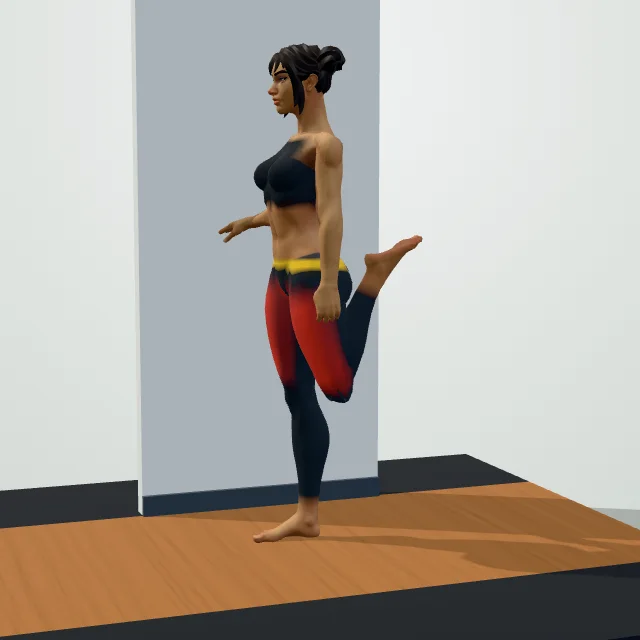
A seated version — cross one ankle over the opposite knee while sitting, then hinge forward from the hips — works well at a desk or anywhere lying down is not practical. A standing version, crossing one ankle over the opposite thigh and sitting back slightly as if into a shallow squat, adds a balance challenge and suits anyone short on floor space, though it is worth holding onto something stable while you get used to it.
Safety notes
Ease into the stretch and stop at a firm but comfortable pull rather than forcing the crossed knee down — the hip and knee are both involved in this position, and forcing it can strain either joint. Anyone with sciatica, a recent hip or knee injury, or sharp pain rather than a general stretch should check with a doctor or physiotherapist before pushing the range, since a deep hip stretch can sometimes aggravate nerve symptoms. Stop immediately if you feel tingling, numbness, or sharp pain, and warm up first — see our guide to warming up for ideas.
Workout plans with this exercise
More exercises for mobility and stretching
Questions people ask
How long should you hold the figure-four stretch?
What muscles does the figure-four stretch work?
Is the figure-four stretch good for sciatica?
Should I do the figure-four stretch before or after a workout?
Can I do the figure-four stretch sitting or standing?
Why do my glutes feel tight?
What should I feel during the figure-four stretch?
General fitness information, not medical advice. Check with a doctor or physiotherapist before starting if you have a health condition, an injury or are pregnant. Stop if you feel chest pain, dizziness or sharp pain.