Chest · Home or gym
Dumbbell pullover: one move for chest and lats
The dumbbell pullover sits between a chest and a back exercise, stretching both through a long overhead arc. Here is how much each muscle gets, and how to set it up.
- Secondary
- Triceps
- Level
- Intermediate
- Type
- Isolation · Both sides together
- Sets × reps
- 3 × 10-12 reps
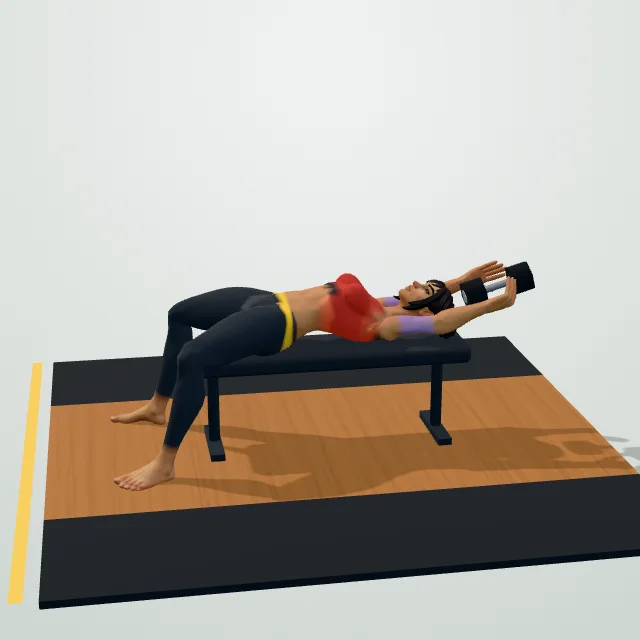
How to do it
- Lie across a bench with only your upper back and shoulders supported.
- Keep your hips low and feet flat on the floor.
- Hold one dumbbell with both hands above your chest.
- With a slight, fixed elbow bend, lower it in an arc behind your head.
- Stop once you feel a stretch across your chest and lats.
- Pull the dumbbell back along the same arc to the start.
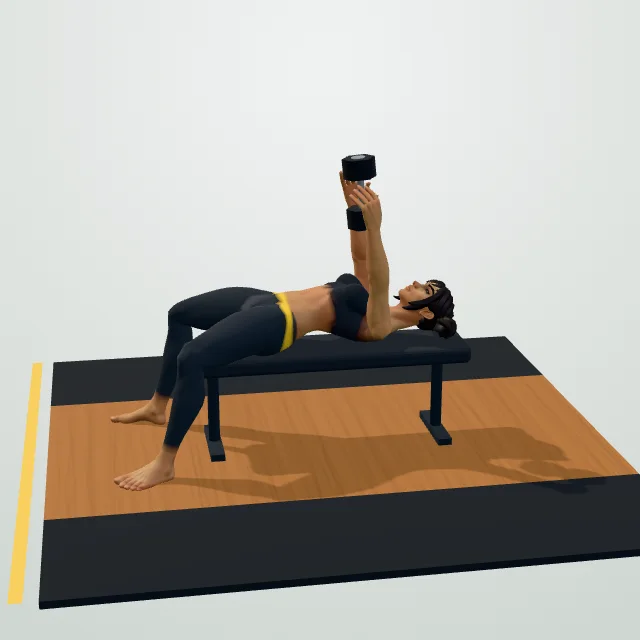
Coach cues
- Hips low, only shoulders on the bench.
- Slight, fixed bend in the elbows.
- Lower to a comfortable stretch.
- Pull back along the same arc.
Breathing: Breathe in as you lower the dumbbell behind your head, then breathe out as you pull it back.
Common mistakes
Make it easier / Make it harder
Sets and reps by goal
| Goal | sets | reps | Rest |
|---|---|---|---|
| Strength | 3–5 | 6–8 | 90–120 s |
| Muscle growth | 3–4 | 10–15 | 60–90 s |
| Endurance | 2–3 | 15–20 | 30–60 s |
The dumbbell pullover is done lying across a bench, lowering a single dumbbell in a long arc from over your chest to behind your head, then pulling it back. It is one of the few exercises that trains the chest and the lats in the same movement, which is why lifters disagree about whether to file it under "chest day" or "back day."
Muscles worked and why
The chest and lats both contribute, and how much each does depends on your elbow bend: keeping the elbows fairly straight shifts more work to the chest and the lats stretching overhead, while bending the elbows more turns it into something closer to a triceps-assisted lat pull. The triceps help stabilize the dumbbell throughout. In practice, most lifters use it as a chest and lat accessory rather than a primary exercise for either.
Benefits
The long overhead arc gives the chest and lats a stretch that few other exercises reach, which some lifters use specifically for that stretched-position stimulus. Older bodybuilding folklore claimed pullovers expand the rib cage — modern research does not support that idea in trained adults, so treat the pullover as a chest-and-lat stretch-and-pull movement, not a way to change your skeleton.
Bench position, elbow bend and range
Lie across a bench so only your upper back and shoulders are supported, with your hips low and your feet flat on the floor — this perpendicular position is what lets your arms travel behind your head without the bench getting in the way. Hold one dumbbell with both hands, palms cupping the inside of the top plate, arms extended above your chest.
With a slight, fixed bend in your elbows, lower the dumbbell in an arc behind your head until you feel a stretch across your chest and lats — stop there rather than forcing extra range, since going too far can strain the shoulder. Pull the dumbbell back along the same arc to the starting position over your chest, keeping your ribcage relaxed rather than flaring it upward to meet the weight.
How to program it
Use the pullover as an accessory after your main chest or back exercise, not as a first or heaviest movement, since it is not built for maximal loading. 3 sets of 10–12 reps with 60–90 seconds of rest is a common range, using a moderate dumbbell rather than a heavy one. Leave a couple of reps in reserve on most sets (see the RPE and RIR guide), and progress mainly through control and range before adding weight, per progressive overload.
Variations and progressions
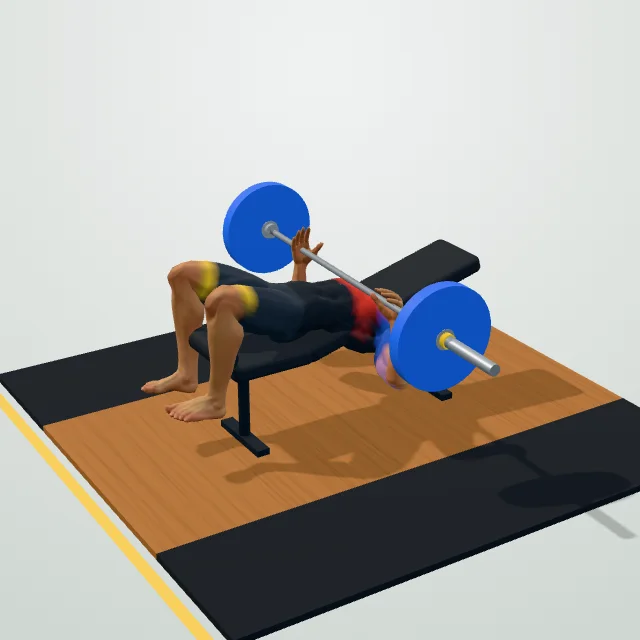
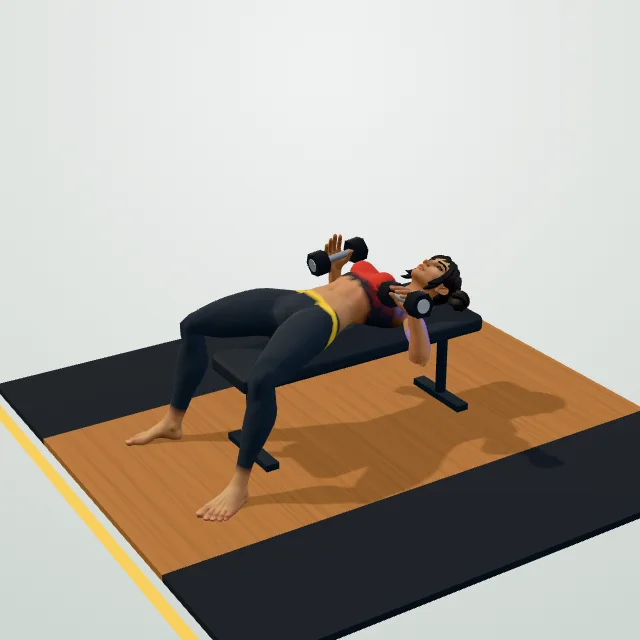
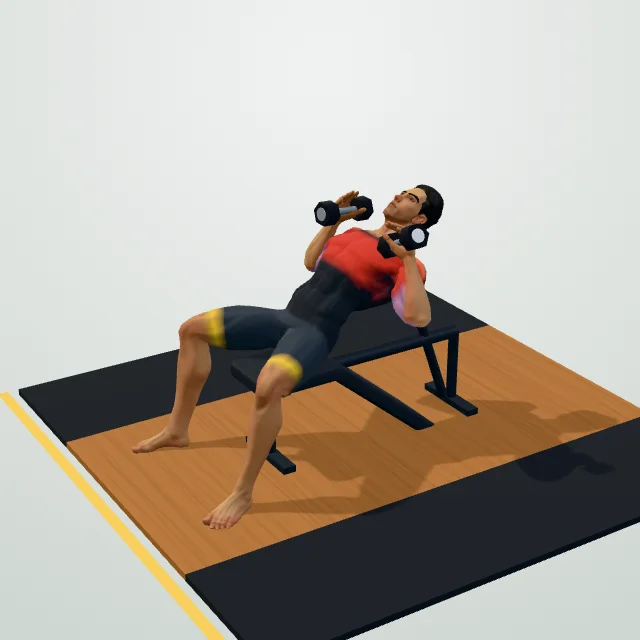
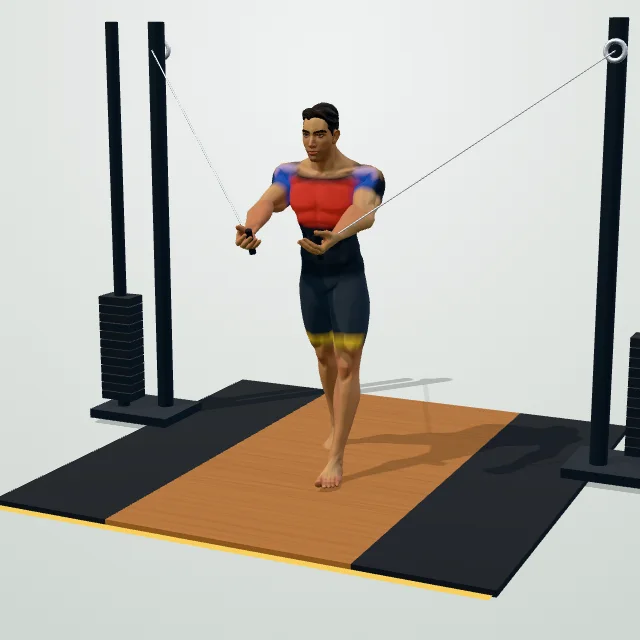
The dumbbell fly isolates the chest more directly if that is your main goal, and the straight-arm pulldown targets the lats with a similar overhead arc but constant cable tension instead of gravity. If your shoulders are not mobile enough for the full range yet, shorten the arc and only lower the dumbbell as far as feels comfortable, building range gradually over weeks.
Pullover vs a dedicated lat or chest exercise
A dedicated chest exercise like the bench press or a dedicated back exercise like a row or pulldown will build more chest or lat strength and size on its own than a pullover, since each targets one muscle group with a heavier, more direct load. The pullover's value is the shared stretch across both muscles in one movement, which makes it a useful accessory rather than a replacement for either.
Safety: who should modify it
Do not force the dumbbell further behind your head than your shoulders comfortably allow — this is where most pullover-related shoulder strain happens, especially if your shoulder mobility is limited. Use a light-to-moderate dumbbell and keep the arc slow and controlled rather than letting the weight's momentum pull your arms down. If you feel pinching at the front of the shoulder, shorten the range and check with a physiotherapist if it does not improve.
One dumbbell vs two
Most people use a single dumbbell held with both hands, cupping the top plate, which is the traditional version and the easiest to balance overhead. Some lifters instead hold one lighter dumbbell in each hand, arms parallel, which can feel more stable in the bottom stretch position for people with wider shoulders, though it requires a bit more coordination to keep both weights moving together through the arc. If you are new to the exercise, start with the traditional single-dumbbell version and a weight on the lighter end until the movement feels familiar.
Questions people ask
Is the dumbbell pullover for chest or back?
What muscles does the dumbbell pullover work?
Does the dumbbell pullover expand the rib cage?
How do I set up for a dumbbell pullover?
How far should I lower the dumbbell behind my head?
Is the dumbbell pullover a good exercise?
How heavy should the dumbbell pullover be?
General fitness information, not medical advice. Check with a doctor or physiotherapist before starting if you have a health condition, an injury or are pregnant. Stop if you feel chest pain, dizziness or sharp pain.