Abs and core · Home, no equipment
Sit-ups: the full sit-up-and-up classic, done with good form
A sit-up lifts your torso all the way from the floor to your thighs, using your abs together with your hip flexors — a bigger range of motion than a crunch, and a different set of trade-offs.
- Primary
- AbsHip flexors
- Secondary
- Obliques
- Level
- Beginner
- Type
- Compound · Both sides together
- Sets × reps
- 3 × 12-15 reps
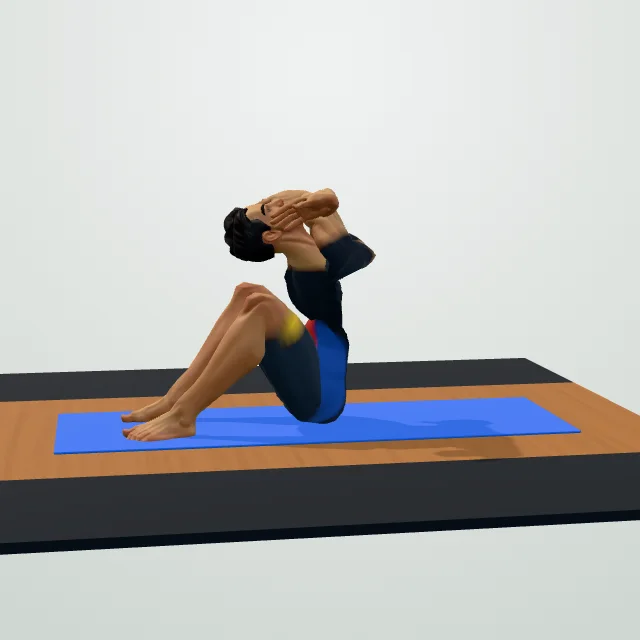
How to do it
- Lie on your back, knees bent, feet flat on the floor.
- Cross your arms over your chest.
- Curl your chin slightly toward your chest.
- Lift your shoulders, then your whole torso, up toward your thighs.
- Pause briefly near the top.
- Lower back down under control through the same path.
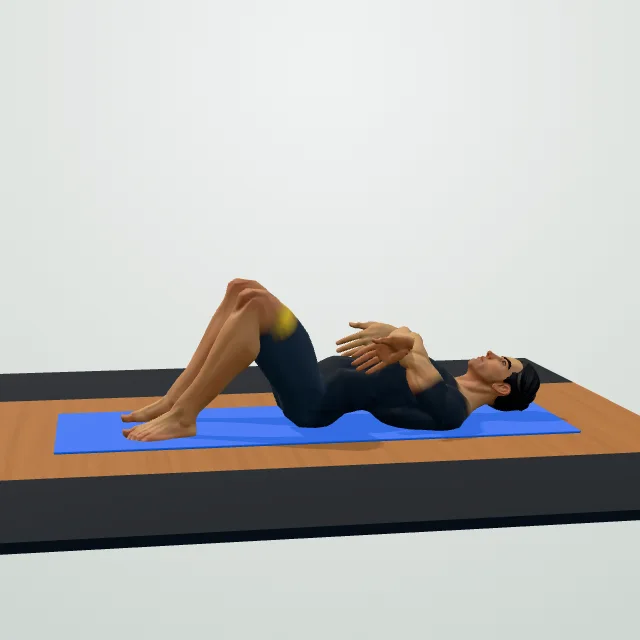
Coach cues
- Feet flat, knees bent.
- Curl your chin, lift your chest first.
- Sit all the way up toward your thighs.
- Lower down slowly, stay controlled.
Breathing: Breathe out as you sit up, breathe in as you lower back down.
Common mistakes
Make it easier / Make it harder
Sets and reps by goal
| Goal | sets | reps | Rest |
|---|---|---|---|
| Strength | 4–5 | 3–6 | 2–4 min |
| Muscle growth | 3–4 | 6–12 | 90–150 s |
| Endurance | 2–3 | 15–25+ | 30–60 s |
The sit-up lifts your whole torso off the floor up toward your thighs, working your abs through their full range instead of the short curl of a crunch. It is one of the oldest bodyweight ab exercises around, and it still works — with a few caveats about who it suits best.
Muscles worked and why the range matters
Your abs start the movement by curling your ribs toward your pelvis, but once your shoulders clear the floor, your hip flexors take over to pull your torso the rest of the way up to your thighs. Your obliques help stabilize the twist-free lift. That hip-flexor involvement is the main thing that separates a sit-up from a crunch, which stops the movement before the hips get involved.
Benefits
Sit-ups build muscular endurance in the abs and hip flexors, which carries over to core-heavy sit-up fitness tests still used in the military, police, and school PE. They need no equipment, can be done anywhere, and are a familiar movement most people can learn in one session. Like any ab exercise, sit-ups strengthen and can help tone the muscle underneath, but they do not spot-reduce belly fat — visible abs come down to overall body fat, which depends on diet and total activity, not which ab exercise you choose.
Technique in detail
Lie on your back with your knees bent, feet flat on the floor about hip-width apart, and cross your arms over your chest or lightly support your head with your fingertips (never yank your neck). Curl your chin slightly, then peel your shoulders and upper back off the floor first, letting your hip flexors carry you the rest of the way until your torso is near-vertical over your thighs. Lower back down under control through the same path — the lowering half builds just as much strength as the lift. Keep your feet on the floor rather than pinned under something heavy, which trains your abs to stabilize the movement rather than letting your hip flexors do all the work.
Sit-ups vs crunches
A crunch only lifts your shoulder blades a few inches off the floor and keeps the load almost entirely on your abs, which is gentler on the lower back and hip flexors. A sit-up covers a much bigger range and pulls in the hip flexors more, which builds more total-body core endurance but can aggravate a sensitive lower back if your form breaks down. Neither is strictly better — pick crunches if you want an ab-focused, back-friendly option, and sit-ups if you want a bigger, more functional range and don't have back pain.
How to program sit-ups
3 sets of 12–15 controlled reps is a solid target for most people, stopping a rep or two before your form breaks down (about 2 reps in reserve). Sit-ups respond well to higher reps because they train endurance, so add reps or a slow tempo before adding weight. Train them 2–3 times a week as part of a core circuit, and pair them with a bracing exercise like the plank or dead bug so your core gets both curling and bracing work.
Variations and progressions
Cross your arms over your chest instead of behind your head to make the lever shorter and the exercise easier while you build up. Once bodyweight sit-ups feel easy, hold a light plate against your chest, or set up on a decline bench to add range and load. A V-up or hollow body hold are good next steps if you want more core challenge without adding external weight.
For beginners
If a full sit-up is hard to control, start with crunches or reverse crunches to build strength through a smaller range first, then work up to the full sit-up. Doing a few reps against a wall or with feet anchored lightly under a low object can help you learn the pattern before removing that support.
Safety notes
Sit-ups put more compressive load on the lower back and more strain on the hip flexors than a crunch or plank, so if you have existing lower back pain, a disc issue, or diastasis recti (abdominal separation, common after pregnancy), ask a physiotherapist which core exercises are appropriate before doing sit-ups. Stop if you feel sharp or shooting pain anywhere in your back — a general ab burn is normal, back pain is not. Do not hold your breath through the lift, and breathe out as you rise.
Sit-up ek core exercise hai jisme aap peeth ke bal let kar poora upper body uthate hain, ghutno ke paas tak. Ismein abs aur hip flexors dono kaam karte hain. Shuruaat mein arms ko chest par cross karke karein, aur agar kamar mein dard ho to turant rukiye.
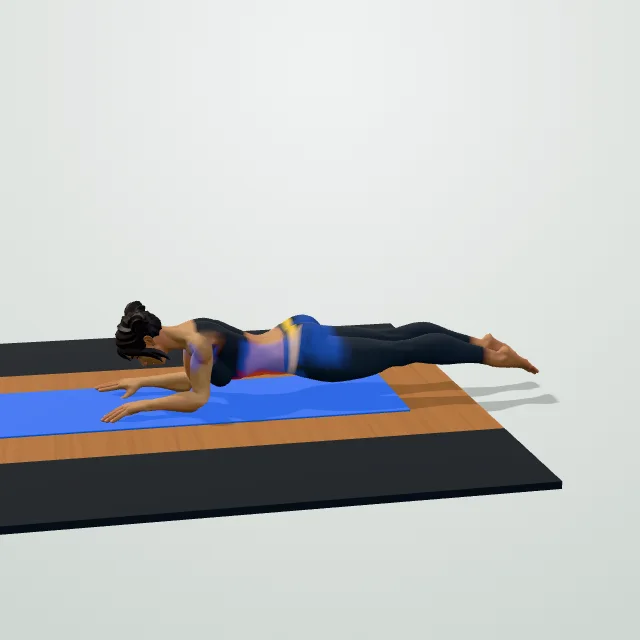
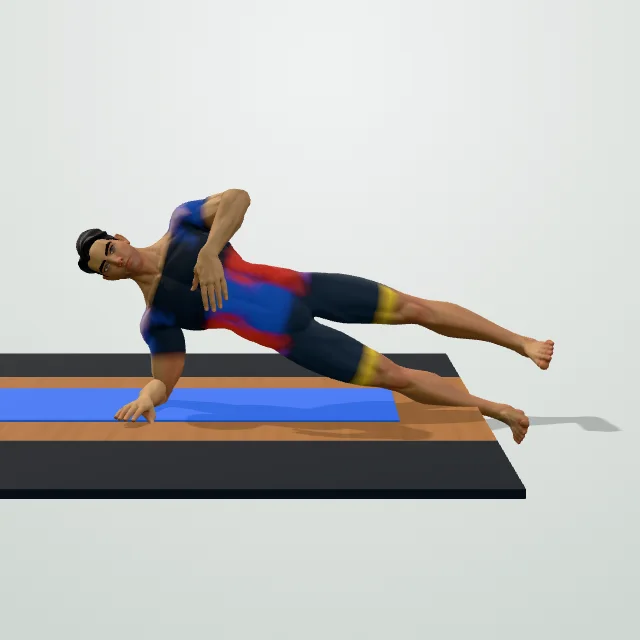
More exercises for abs and core
Questions people ask
How do you do sit-ups correctly?
What muscles do sit-ups work?
Are sit-ups better than crunches?
Do sit-ups burn belly fat?
Are sit-ups bad for your back?
How many sit-ups should a beginner do?
What is a good alternative to sit-ups?
General fitness information, not medical advice. Check with a doctor or physiotherapist before starting if you have a health condition, an injury or are pregnant. Stop if you feel chest pain, dizziness or sharp pain.