Abs and core · Home, no equipment
V-ups: folding into a V shape for advanced core work
The V-up lifts your legs and torso together into a V shape, so your abs and hip flexors work from both ends of the body at the same time — a demanding move that rewards good form over speed.
- Primary
- AbsHip flexors
- Secondary
- Obliques
- Level
- Intermediate
- Type
- Compound · Both sides together
- Sets × reps
- 3 × 8-12 reps
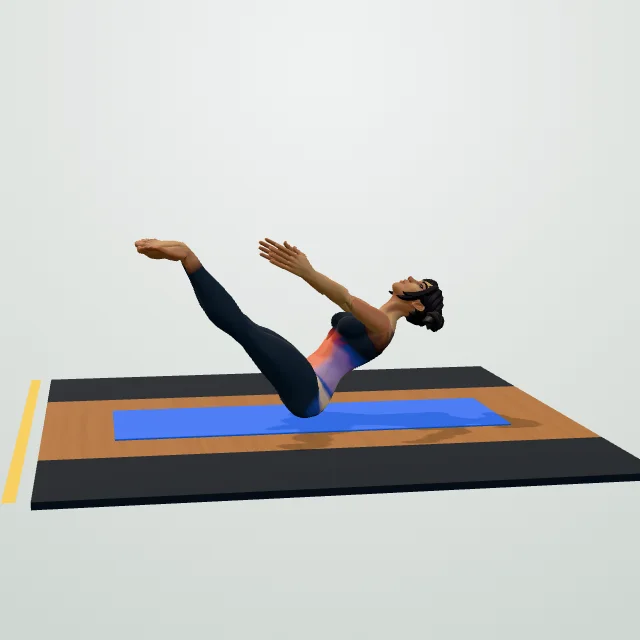
How to do it
- Lie flat, arms overhead, legs straight.
- Lift your legs and torso together in one motion.
- Reach your hands toward your toes at the top.
- Balance briefly on your hips, body forming a V.
- Lower your legs and torso back down together.
- Reset flat on the floor before the next rep.
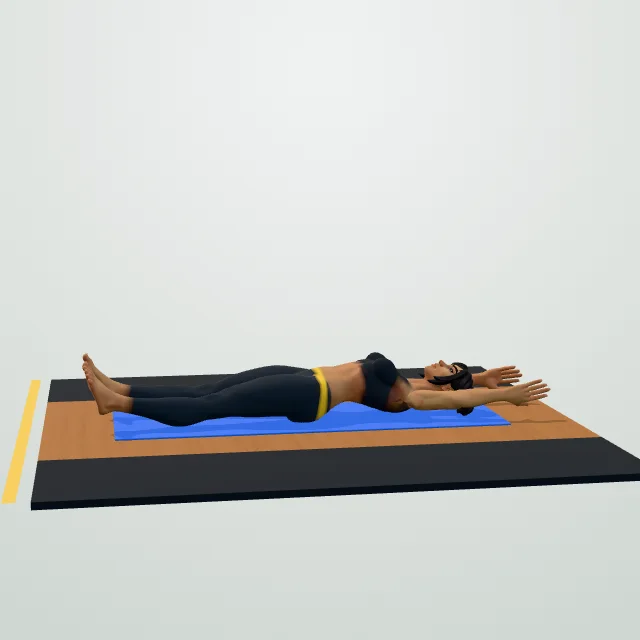
Coach cues
- Lift legs and torso together.
- Reach hands toward your toes.
- Keep your lower back from arching.
- Lower both ends down slowly.
Breathing: Breathe out as you fold into the V, breathe in as you lower back down.
Common mistakes
Make it easier / Make it harder
Sets and reps by goal
| Goal | sets | reps | Rest |
|---|---|---|---|
| Strength | 4–5 | 3–6 | 2–4 min |
| Muscle growth | 3–4 | 6–12 | 90–150 s |
| Endurance | 2–3 | 15–25+ | 30–60 s |
The V-up is a core exercise where you lift your straight legs and your straight torso off the floor at the same time, meeting in the middle so your body forms a V shape, then lower both back down together. It looks like a sit-up but demands far more from your abs and hip flexors because both ends of your body are moving against gravity at once.
Muscles worked and why it is harder than it looks
Your abs do the main work of curling your ribs toward your pelvis while your hip flexors lift your legs and your torso at the same time, with your obliques helping keep the movement straight rather than twisting to one side. Because a sit-up or crunch only moves one end of your body, they let the floor support the other half; the V-up removes that support from both ends, which is why it demands so much more core strength and control.
Benefits
V-ups build a strong, coordinated connection between your upper and lower abs, along with balance and body control that carries over to gymnastics- and calisthenics-style movement. They need no equipment and can be scaled up or down easily, making them a useful progression once basic sit-ups and leg raises feel easy. As with any ab exercise, a V-up strengthens and can tone the muscle, but it will not spot-reduce fat from your stomach — that depends on your overall diet and activity level, not which core move you choose.
Technique in detail
Lie flat on your back with your arms extended overhead and your legs straight. In one smooth motion, lift your straight legs and your straight torso off the floor together, reaching your hands toward your toes or shins as your body folds into a V, balancing briefly on your hips. Lower both your legs and torso back to the floor at the same controlled speed — do not let your legs drop faster than your torso. Keep your lower back pressed toward the floor at the bottom rather than letting it arch, which is the point where most people lose tension.
How to program it
3 sets of 8–12 clean reps is a good target once you can do a full V-up with straight legs; stop a rep or two before your knees start bending or your form breaks down. Because it is a demanding move, quality matters more than volume — a handful of strict reps beats a large set of sloppy ones. Train it 2–3 times a week as part of a core session, alongside a bracing move such as the plank or hollow body hold to balance folding strength with anti-extension strength.
Variations: easier and harder
If a full V-up is too hard, bend your knees into a tuck as you lift (a tuck-up), which shortens the lever and makes the exercise much more manageable, or do a single-leg V-up, keeping one leg on the floor while the other lifts. Once the standard V-up feels easy, add a light weight held between your hands, or slow the tempo down to 3 seconds on the way up and down. The sit-up and hollow body hold are natural stepping stones on the way to a strict V-up.
V-ups vs sit-ups
A sit-up keeps your feet on the floor and only lifts your torso, which is more forgiving and better suited to beginners and higher-rep sets. A V-up lifts both the torso and the legs, which trains more of the core at once but demands considerably more strength, coordination, and hip flexibility. Most people should master sit-ups and leg raises before attempting a strict V-up.
Safety notes
Because V-ups load the lower back and hip flexors more than a basic crunch, anyone with existing lower back pain, a hip flexor strain, or diastasis recti (abdominal separation) should check with a physiotherapist before adding them, and regress to a tuck version or leg raise instead. Stop if you feel your lower back arching hard off the floor or any sharp pain — a strong ab burn is expected, joint or spinal pain is not. Do not hold your breath through the fold.
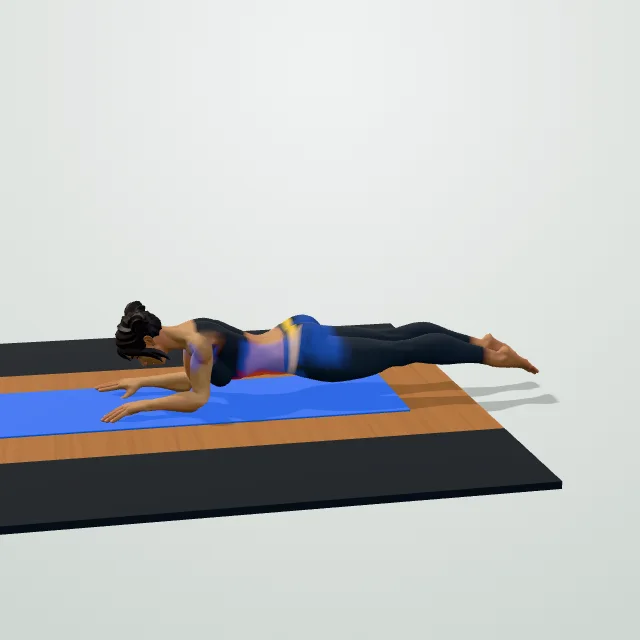
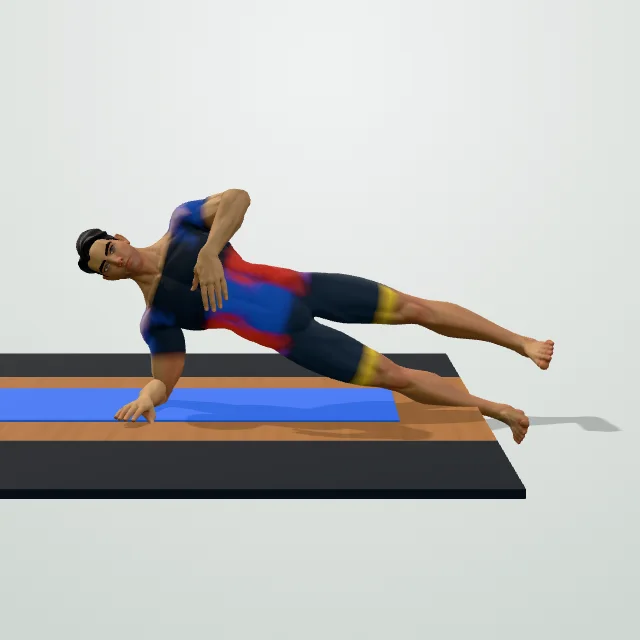
More exercises for abs and core
Questions people ask
How do you do a V-up correctly?
What muscles do V-ups work?
Are V-ups harder than sit-ups?
How do you make V-ups easier?
How do you make V-ups harder?
Do V-ups burn belly fat?
Are V-ups safe for a bad back?
General fitness information, not medical advice. Check with a doctor or physiotherapist before starting if you have a health condition, an injury or are pregnant. Stop if you feel chest pain, dizziness or sharp pain.