Glutes · Home, no equipment
Fire hydrant exercise: outer-glute training on all fours
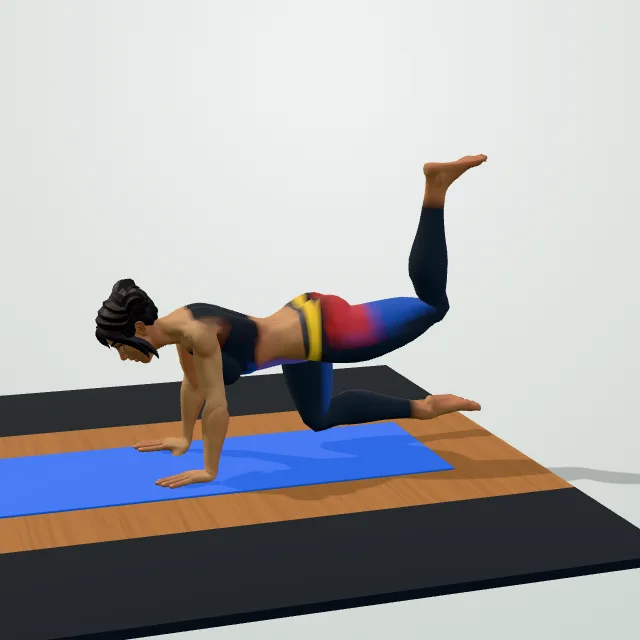
The fire hydrant exercise lifts your knee out to the side from a hands-and-knees position, named for the shape it resembles. It is a simple, effective way to target the outer glutes.
- Primary
- Outer hipsGlutes
- Secondary
- Abs
- Level
- Beginner
- Type
- Isolation · One side, then the other
- Sets × reps
- 3 × 12-15 reps per side
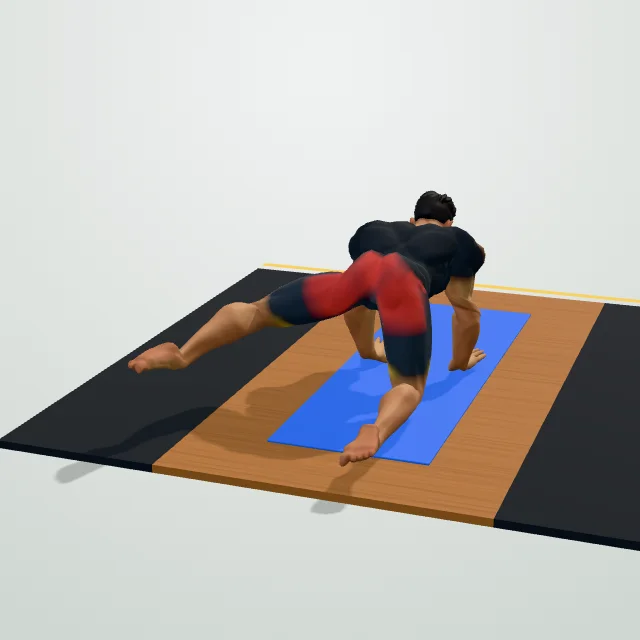
How to do it
- Start on hands and knees, back flat, core braced.
- Keep one knee bent at a steady angle.
- Lift that knee out to the side to about hip height.
- Avoid rotating your torso or dropping the supporting hip.
- Squeeze briefly at the top of the movement.
- Lower with control without touching the knee down.
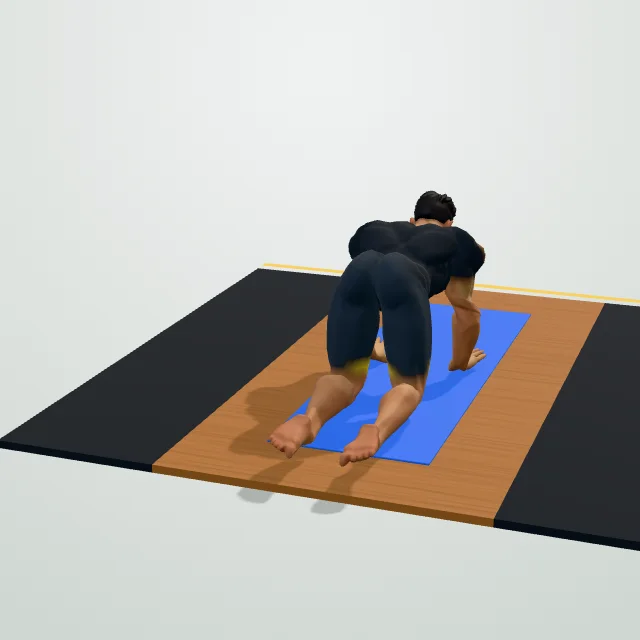
Coach cues
- Flat back, hips square.
- Lift the knee out, not up.
- Stop around hip height.
- Lower slowly, stay controlled.
Breathing: Breathe out as you lift your knee out to the side, breathe in as you lower it back down.
Common mistakes
Make it easier / Make it harder
Sets and reps by goal
| Goal | sets | reps | Rest |
|---|---|---|---|
| Strength | 4–5 | 6–8 | 90–120 s |
| Muscle growth | 3–4 | 10–15 | 60–90 s |
| Endurance | 2–3 | 15–25+ | 30–60 s |
The fire hydrant exercise is performed on your hands and knees, lifting one bent knee out to the side — the shape a dog makes at a fire hydrant, which is where the name comes from. It is a hip-abduction exercise, meaning it moves your thigh away from the midline of your body rather than forward or back.
Muscles worked and why direction matters
The outer hip muscles (abductors) do most of the work, with the glute max and abs assisting to keep your pelvis stable. This is a different direction of movement from exercises like the donkey kick, which extends the hip backward — the fire hydrant instead targets the smaller muscles on the side of the hip that keep your pelvis level when you walk, run, or stand on one leg.
Benefits
Strengthening the outer hip muscles helps stabilize your pelvis during single-leg movements like running, stairs, and lunges, and weak abductors are commonly linked with knees that cave inward under load. The exercise needs no equipment, making it an easy addition to a home glute or warm-up routine, and it is gentle enough to do daily without much fatigue.
Technique in detail
Start on hands and knees, hands under your shoulders, knees under your hips, back flat. Keeping your knee bent at roughly the same angle throughout, lift it out to the side, stopping around hip height or just below — do not rotate your torso or let your supporting hip sink to gain more height, both of which shift the work off the target muscle. Squeeze at the top of the movement, then lower with control back to the starting position without letting your knee touch the mat between reps.
How to program it
3 sets of 12–15 reps per side works well as an accessory or warm-up exercise, often paired with clamshells and lateral band walks in a short "glute activation" circuit before squats or a run. Add a resistance band above your knees once bodyweight reps feel easy, since the small range of motion means a band adds meaningful resistance without needing much equipment. Rest 30–45 seconds between sets, since this is a small-muscle, low-fatigue movement rather than a heavy compound lift.
Variations
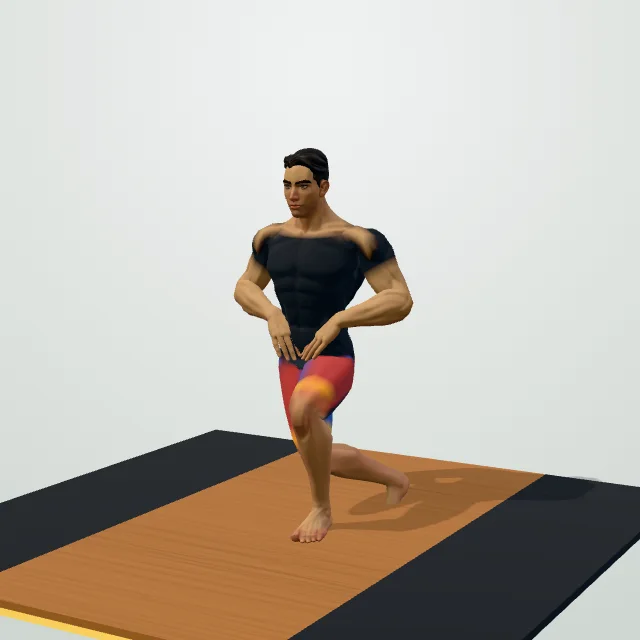
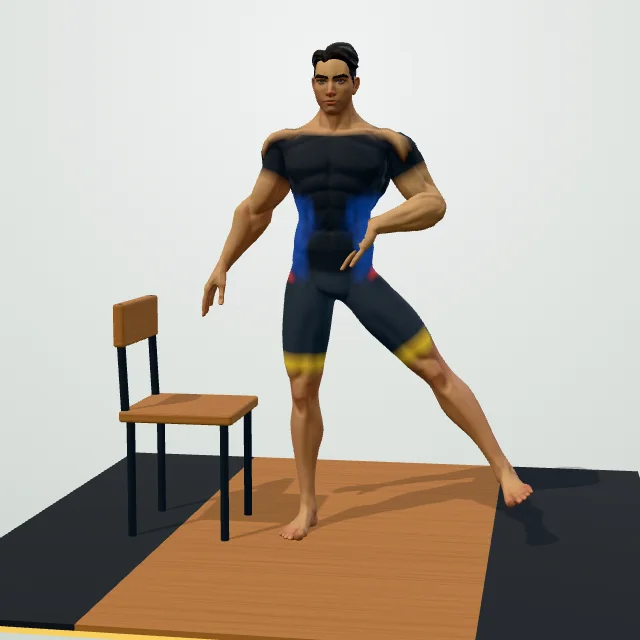
A standing fire hydrant (lifting the knee out to the side while balancing on one leg) removes the floor support and adds a balance challenge, useful once the quadruped version feels easy. Looping a resistance band above the knees for either version increases the difficulty without changing the pattern.
Fire hydrant vs. clamshell
Both train hip abduction, but the fire hydrant moves the whole leg away from the body from a hands-and-knees position, while the clamshell is done lying on your side with your feet together, opening your knees like a shell. The clamshell isolates the outer hip rotators slightly more directly; the fire hydrant involves a bit more full-hip and core stabilization. Many routines use both, often back to back with the donkey kick, since the three exercises together cover abduction, rotation, and extension at the hip in one short circuit.
Safety notes
Keep the range modest — lifting the knee much higher than hip height usually means you are rotating your torso rather than working the hip in isolation. Pad your knees with a mat if kneeling is uncomfortable. Stop if you feel pain in the hip joint or lower back rather than a muscular burn on the side of your hip.
Why runners and lifters use it
Weak outer hip muscles are a common finding in runners with knee or IT-band pain, since the abductors are what stop your knee from drifting inward each time you land on one leg. Coaches often prescribe fire hydrants and similar abductor work as "prehab" — not because a few sets fix a running injury on their own, but because stronger abductors give your hip better control under repeated single-leg loading. Lifters use the same logic before squats: a short activation set can help keep the knees tracking correctly under the bar.
Workout plans with this exercise
Questions people ask
What muscles does the fire hydrant exercise work?
How do you do fire hydrants correctly?
What are fire hydrants good for?
How high should you lift your knee in a fire hydrant?
How do I make fire hydrants harder?
What is the difference between a fire hydrant and a donkey kick?
Is the fire hydrant exercise good for weak hips or knee pain?
General fitness information, not medical advice. Check with a doctor or physiotherapist before starting if you have a health condition, an injury or are pregnant. Stop if you feel chest pain, dizziness or sharp pain.