General fitness · Beginner
Beginner gym workout plan for women: build real strength
This beginner gym workout for women runs three days a week, about 50 minutes each, rotating a lower-body session, an upper-body session and a full-body session. It uses the same strength principles as any effective program — there is nothing different about how women’s muscles respond to training.
Your week
Sessions
Lower body focus
| Exercise | sets | Rest | |
|---|---|---|---|
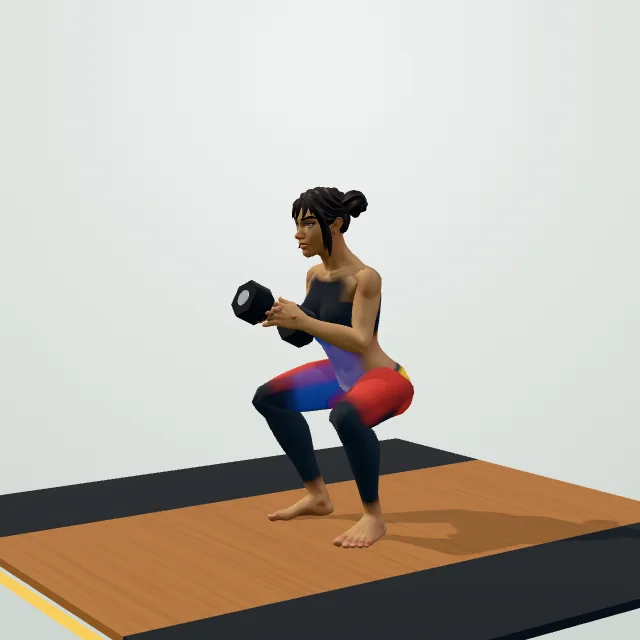
| Goblet Squat | 3 × 10-12 | 90 s |
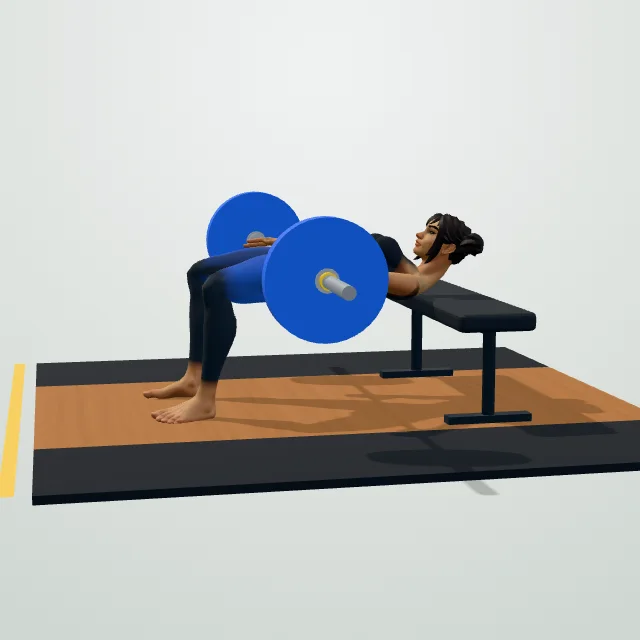 | Barbell Hip Thrust | 3 × 10-12 | 90 s |
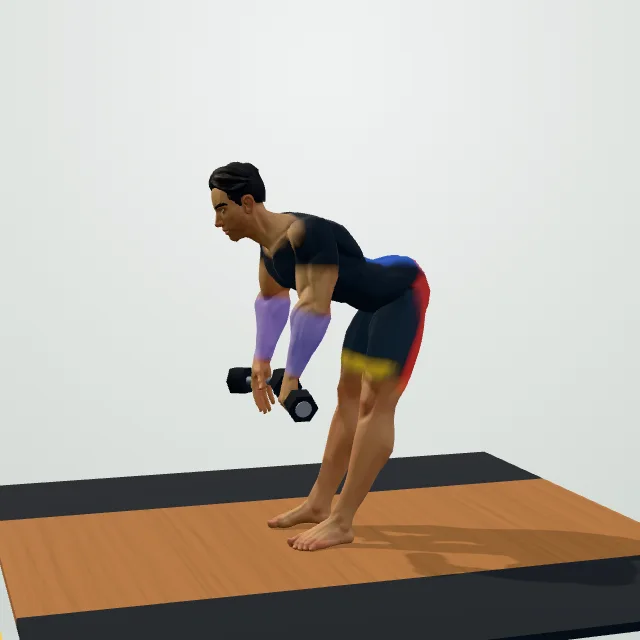 | Dumbbell Romanian Deadlift | 3 × 10-12 | 90 s |
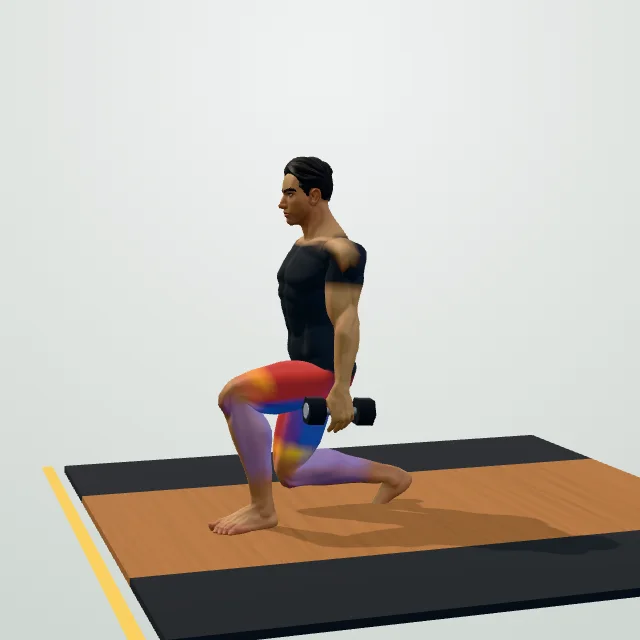 | Dumbbell Walking Lunge | 2 × 10 per side | 60 s |
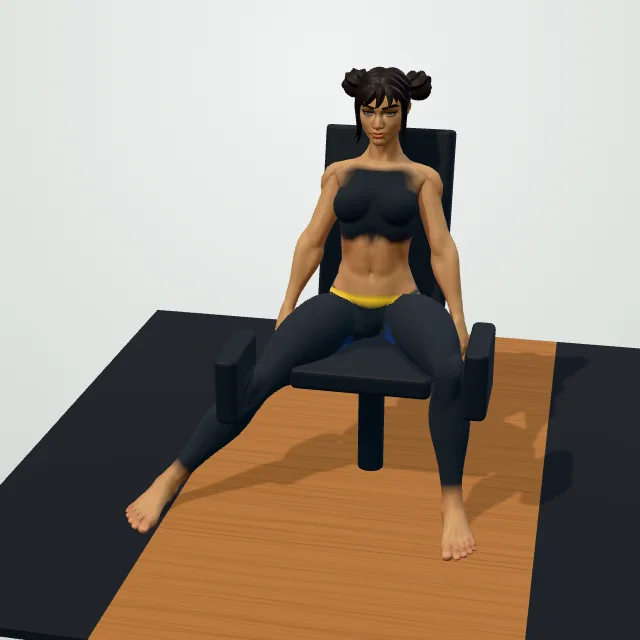 | Hip Abduction Machine | 2 × 15 | 45 s |
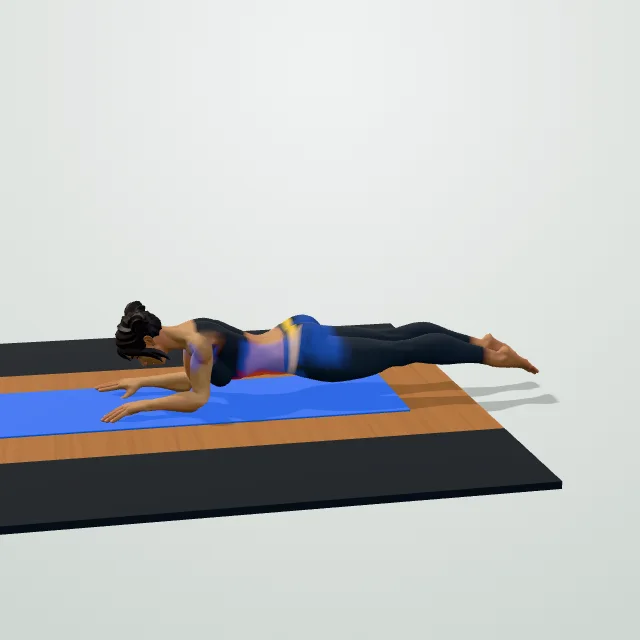 | Plank | 3 × 30 s | 45 s |
Upper body
| Exercise | sets | Rest | |
|---|---|---|---|
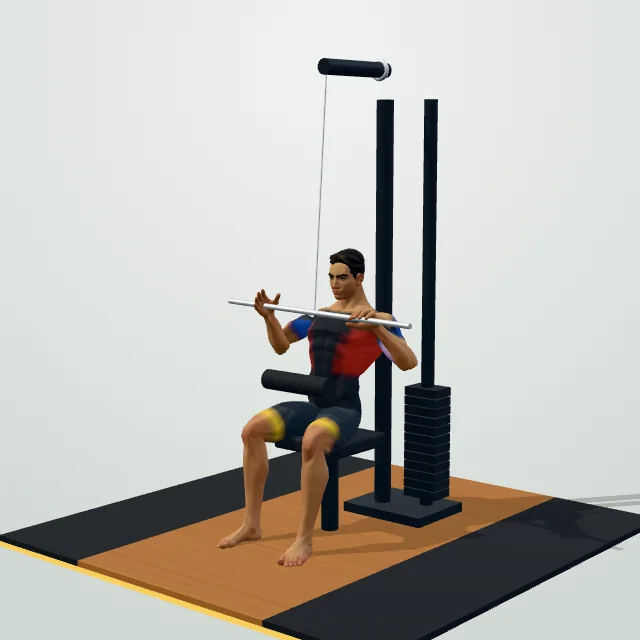 | Lat Pulldown | 3 × 10-12 | 90 s |
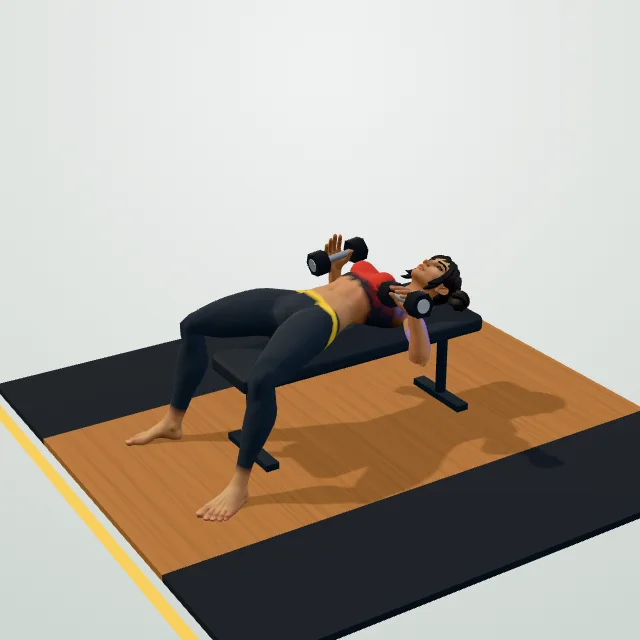 | Dumbbell Bench Press | 3 × 10-12 | 90 s |
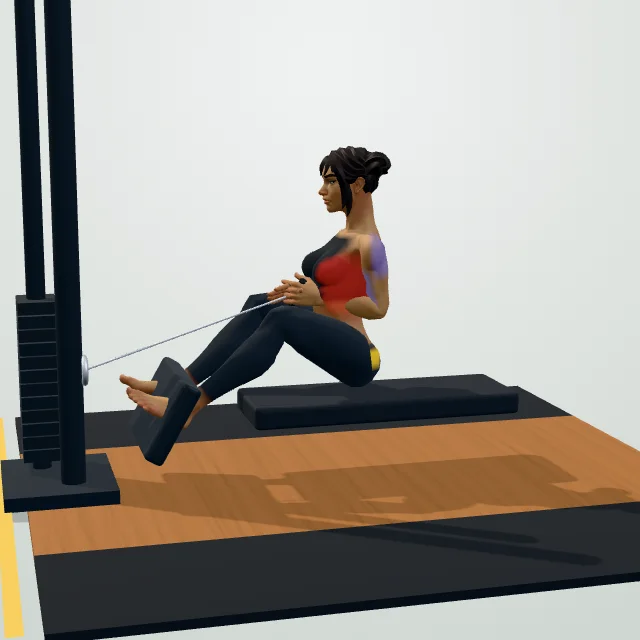 | Seated Cable Row | 3 × 10-12 | 90 s |
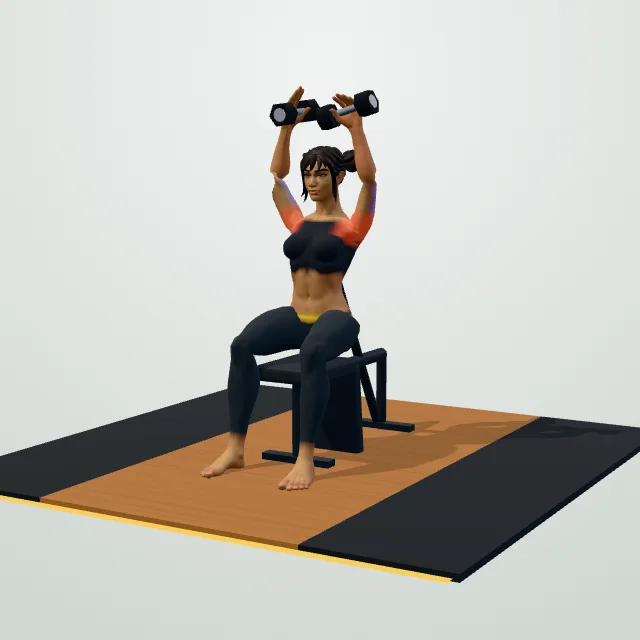 | Dumbbell Shoulder Press | 3 × 10-12 | 60 s |
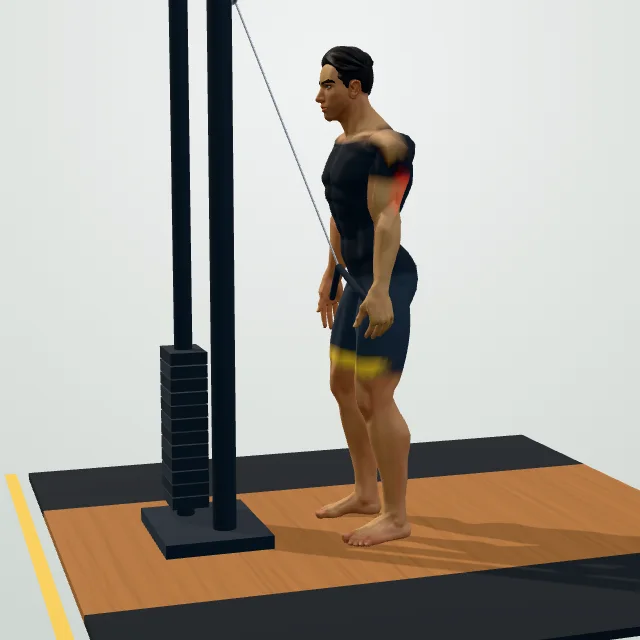 | Triceps Rope Pushdown | 2 × 12 | 45 s |
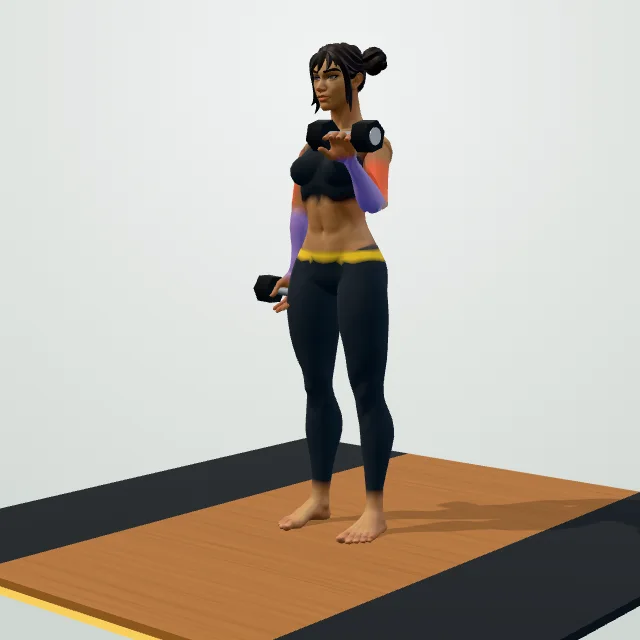 | Dumbbell Bicep Curl | 2 × 12 per side | 45 s |
Full body
| Exercise | sets | Rest | |
|---|---|---|---|
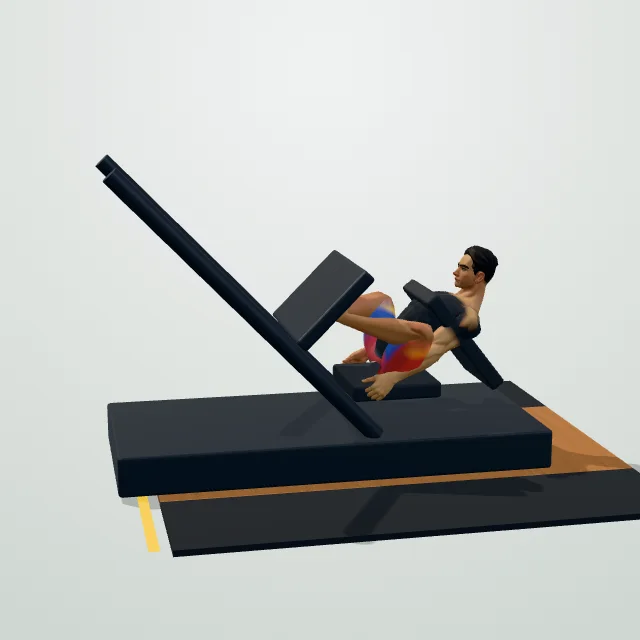 | Leg Press | 3 × 12 | 90 s |
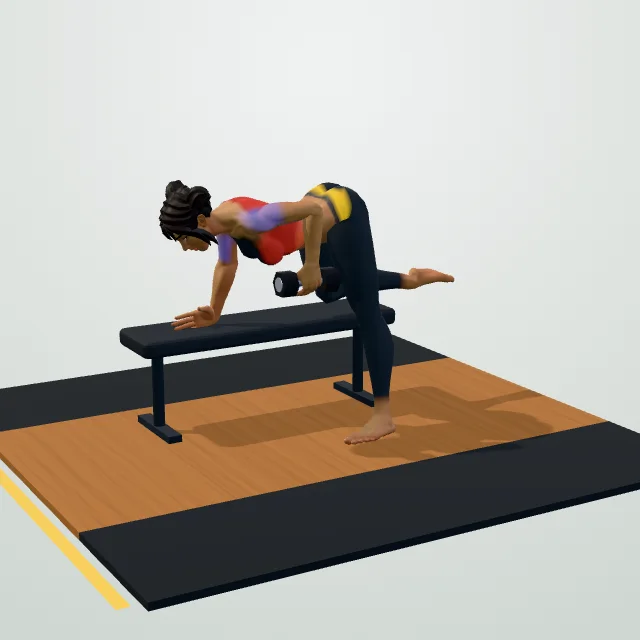 | One-Arm Dumbbell Row | 3 × 10 per side | 60 s |
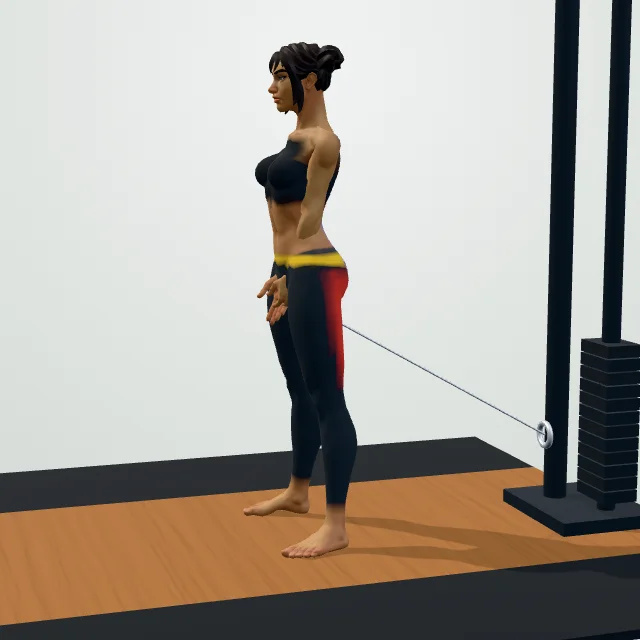 | Cable Pull-Through | 3 × 12-15 | 60 s |
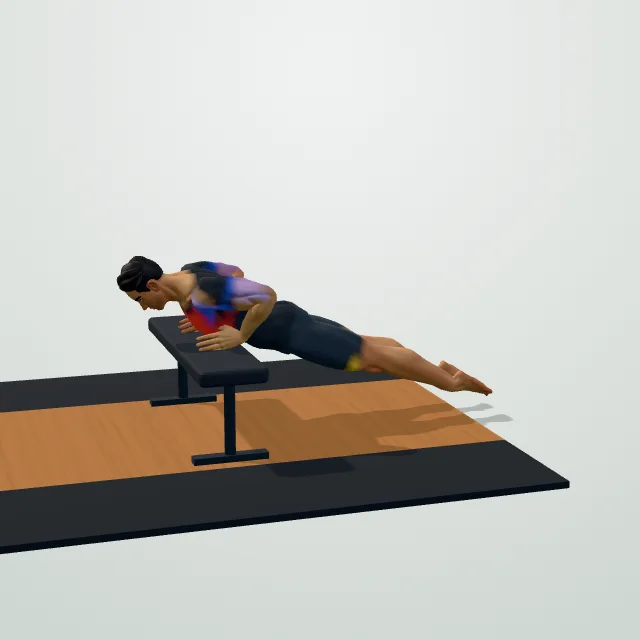 | Incline Push-Up | 3 × 10 | 60 s |
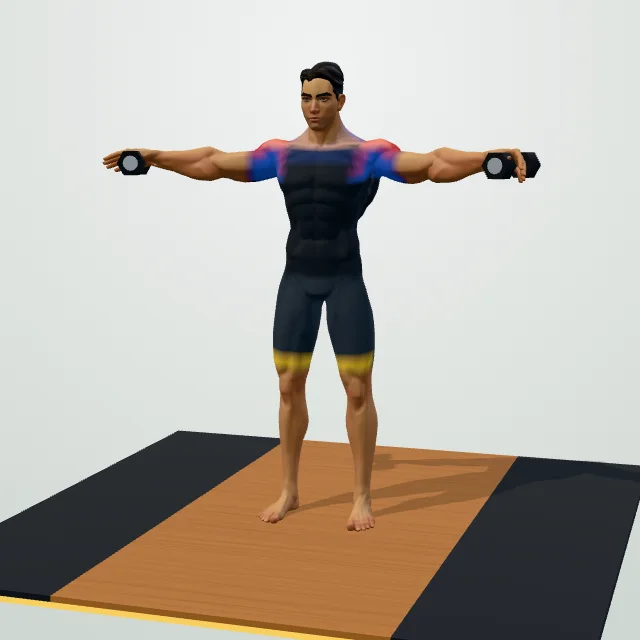 | Dumbbell Lateral Raise | 2 × 15 | 45 s |
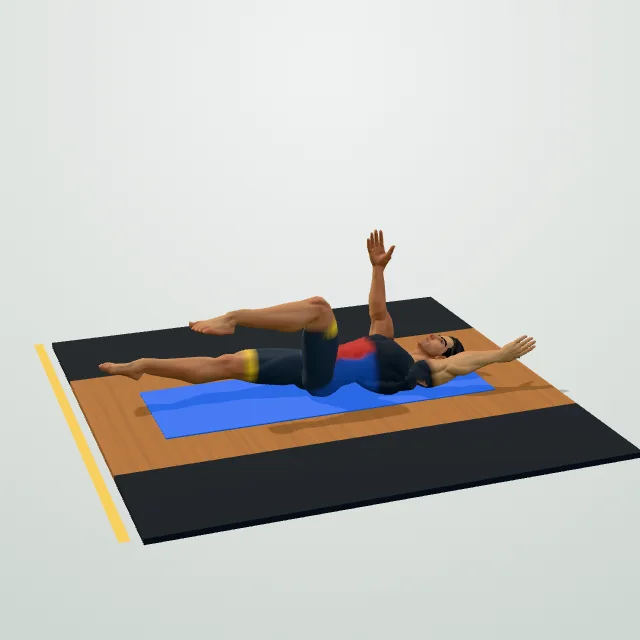 | Dead Bug | 3 × 10 per side | 30 s |
How to progress
- Lifting heavier weights will not make you "bulky": it builds strength, bone density and shape. Add weight when all sets feel easy.
A beginner gym workout plan for women teaches the same core lifts — squats, hip hinges, presses and rows — that any effective strength program is built on, because the muscle and strength adaptations to training do not differ by gender. This 3-day plan rotates a lower-body-focused session, an upper-body session and a full-body session, taking about 50 minutes each, and is designed to be the first structured program for someone new to a gym.
Who this beginner gym workout for women is for
This plan suits anyone starting out at a gym who wants a clear, non-intimidating structure using machines, dumbbells and a barbell-free hip thrust to start. It works whether your goal is general fitness, fat loss, muscle tone or simply feeling stronger day to day — the exercises and rep ranges are the same regardless. If you train at home instead, the full-body dumbbell workout covers similar ground with just a pair of dumbbells, and the low-impact workout for seniors is a gentler starting point if you are returning from a long break or managing a joint condition.
How to run the sessions
Warm up for 5–8 minutes with light cardio and a couple of easy sets of your first exercise, then work through each session in order: session A (lower-body focus) leads with the goblet squat and hip thrust, session B (upper body) leads with lat pulldown and dumbbell bench press, and session C (full body) mixes leg press, rows and push-ups. Rest 60–90 seconds between sets on the compound lifts (squats, presses, rows) and 45 seconds on the smaller isolation moves like triceps pushdown and curls — you do not need to rush between sets to get a good workout, and resting properly is what lets you lift the next set with good form.
How hard each set should feel
Pick a weight for each exercise that leaves 2–4 reps in reserve on your first sets, meaning you could do 2–4 more good reps if you had to, and something closer to 1–2 in reserve on your final set once the movement feels familiar. In your first couple of weeks, focus on learning the exercise — how a squat should feel in your hips and knees, how a row should feel in your back — rather than the number on the dumbbell. It is completely normal for the working weight on your hip thrust or leg press to be higher than what feels comfortable to lift overhead; different muscle groups can handle very different loads.
How to progress week to week
Lifting heavier weight will not make you "bulky" — it builds strength, bone density and the shape you already have, and significant muscle size takes years of dedicated training plus a calorie surplus most people are not deliberately eating. Use double progression: keep the weight the same until you hit the top of the rep range on every set (for example 3×12 on the goblet squat), then add the smallest available weight increment, typically 1–2.5 kg (2–5 lb). This matches the general 5–10% loading steps in the progressive overload guide. Strength training also protects bone density, which matters more, not less, as you get older — a reason strength training for women over 40 and 50 is specifically recommended by health bodies, not just an option.
Adapting the workout: home, missing equipment, fewer exercises
No lat pulldown or cable machine: replace it with a one-arm dumbbell row at the same sets and reps. No leg press: a goblet squat or Bulgarian split squat covers the same movement. If you only have 2 days a week rather than 3, run sessions A and B and skip C, since A and B between them already cover every major muscle group. If you are training entirely at home, the same full-body dumbbell principles apply with equipment you can keep at home.
Recovery basics
Each muscle group in this plan gets trained roughly twice a week across the three sessions, so give at least a day of rest between sessions where possible — the built-in rest days in the weekly calendar do exactly this. Some muscle soreness for a day or two after a new exercise or a weight increase is normal (see the muscle soreness guide) and usually fades as your body adapts over the first few weeks. Sleep and eating enough protein (around 1.6 g per kg of body weight a day) support recovery and strength gains more than any single exercise choice.
Common mistakes on a beginner gym plan for women
- Staying too light for too long out of caution: many beginners under-load exercises like the leg press and hip thrust, which can handle much more weight than an overhead press. Progress each exercise on its own terms.
- Skipping the hip thrust because it feels awkward: it is one of the most effective glute exercises available and gets easier with practice — keep your chin tucked and drive through your heels.
- Comparing your weights to someone else’s: strength depends on your training history and leverages, not gender or body size. Progress against your own numbers from the week before.
- Avoiding the barbell rack or free-weight area out of intimidation: every exercise in this plan uses dumbbells or machines, so you can build confidence before ever needing the squat rack.
- Doing cardio instead of strength training for "toning": visible muscle tone comes from a combination of building muscle through strength training and reducing body fat — cardio alone does not build the muscle underneath.
What to do next
Use the plan builder to adjust this plan’s days or exercises to your schedule, or check the gym for beginners guide for tips on your first weeks in a gym setting. Once these three sessions feel comfortable, the upper/lower split or glute workout plan are natural next steps for more targeted training, and the one-rep max calculator can help you plan working weights as your lifts grow.
Questions people ask
Will lifting weights make women bulky?
How many days a week should a beginner woman work out at the gym?
What if I have never used gym machines before?
Is this beginner gym workout suitable for women over 40 or 50?
How much weight should I use for squats and hip thrusts?
Can I do this workout if I want to lose weight rather than build muscle?
What should I eat to support this workout?
General fitness information, not medical advice. Check with a doctor or physiotherapist before starting if you have a health condition, an injury or are pregnant. Stop if you feel chest pain, dizziness or sharp pain.