Shoulders · Home or gym
Dumbbell front raise: isolate your front delts
The front raise lifts a dumbbell straight out in front of you, targeting the front delt on its own after your pressing work has already fatigued it.
- Primary
- Front delts
- Secondary
- Side deltsChest
- Level
- Beginner
- Type
- Isolation · Alternate sides
- Sets × reps
- 3 × 10-12 reps per side
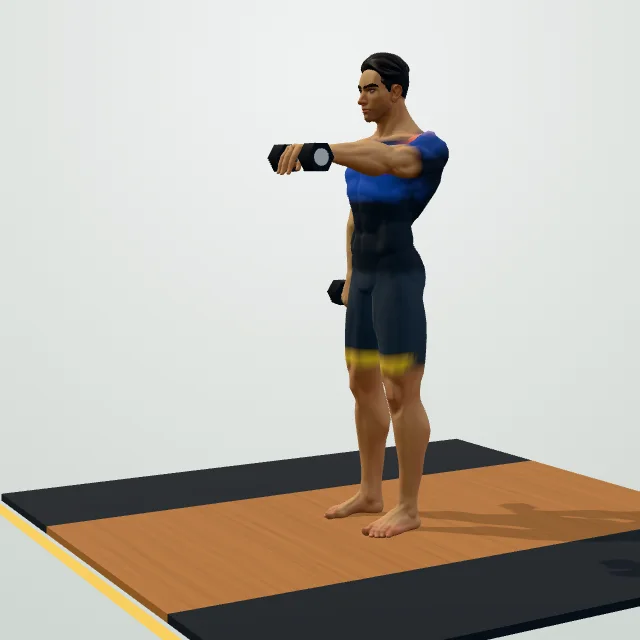
How to do it
- Stand tall holding a dumbbell in each hand at your thighs.
- Keep a soft bend in your elbows and brace your core.
- Raise one or both arms straight out in front to shoulder height.
- Pause briefly at the top without shrugging your shoulders.
- Lower with control back to your thighs.
- Repeat with an even tempo if alternating arms.
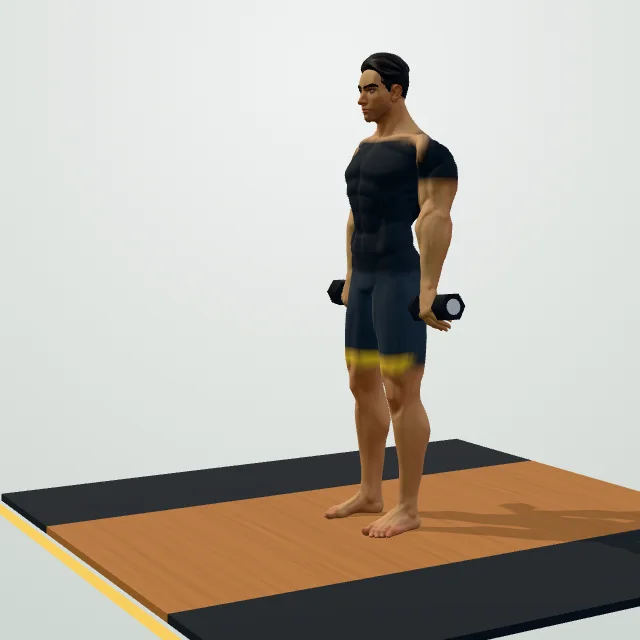
Coach cues
- Soft bend in the elbows, core braced.
- Raise straight out in front to shoulder height.
- Pause briefly at the top.
- Lower with control, no swinging.
Breathing: Breathe out as you raise the dumbbell up, and breathe in as you lower it back down.
Common mistakes
Make it easier / Make it harder
Sets and reps by goal
| Goal | sets | reps | Rest |
|---|---|---|---|
| Strength | 3–5 | 6–8 | 90–120 s |
| Muscle growth | 3–4 | 10–15 | 60–90 s |
| Endurance | 2–3 | 15–20 | 30–60 s |
The dumbbell front raise lifts one or two dumbbells straight out in front of your body to roughly shoulder height, isolating the front delt without any help from your chest or triceps. It is a targeted finishing move rather than a main shoulder builder, since heavy pressing already trains the front delt hard.
Muscles worked by the front raise
The front delt is the clear prime mover, lifting your arm up and forward against gravity through the whole range of the raise. The side delt assists once your arm passes hip height, and your upper chest and core help stabilize your torso so you do not lean back to swing the weight up. Because pressing exercises already load the front delt through a similar motion, the front raise is best used as extra volume, not a replacement for pressing.
Benefits
- Direct front delt isolation. No triceps or chest assistance means the front delt cannot hide behind bigger muscles.
- Useful finishing exercise. Adding it after pressing work lets you push a few more quality reps into the front delt.
- Flexible loading. Works with one dumbbell alternating arms, both together, a barbell, plate or band.
- Simple to learn. A single-joint movement with an easy-to-feel target muscle.
- Adds variety to shoulder day. A forward-lifting angle rounds out a routine built mostly around overhead pressing and side raises.
Technique
Stand tall holding a dumbbell in each hand (or one, alternating arms), palms facing your thighs or turned slightly in. Keeping a soft bend in your elbows, raise one or both arms straight out in front of you to about shoulder height — no higher, and without swinging your torso to help the weight up.
Pause briefly at the top, then lower with control back to your thighs. Keep your core braced and ribs down throughout so your lower back does not arch as the weight moves away from your body. If alternating arms, keep a steady, even tempo rather than rushing from one side to the other, and try a 2-second lift and a 2-second lower so momentum never takes over from the muscle.
Sets, reps and where it fits
| Goal | Sets × reps | Rest | Load |
|---|---|---|---|
| Muscle growth | 2–3 × 10–12 | 45–60 sec | RPE 7–8 |
| Endurance | 2 × 15+ | 30–45 sec | Light |
Because the front delt is already worked hard by pressing, one or two sets of front raises near the end of a shoulder workout is usually enough — more than that tends to add fatigue without much extra growth. Pair it with a lateral raise and a rear delt fly to train all three heads of the shoulder in one session.
Front raise vs lateral raise vs overhead press
The front raise and lateral raise both isolate a single delt head, but in different directions — front delt versus side delt — so they are complementary rather than interchangeable. Against the overhead press, the front raise trains a much smaller range with far less weight, which is exactly why it is used as an accessory rather than a main shoulder builder.
Keep the load light and consistent
Because the front delt is easy to overtrain if you add heavy front raises on top of several pressing exercises in the same session, track your sets in my workouts and keep the weight modest rather than chasing a heavier number each week — consistent, controlled volume works better here than occasional heavy singles.
Safety notes
If you feel pinching pain at the top of the raise, stop lower and keep the weight light. People with shoulder impingement should be cautious with front raises above shoulder height, since that position can compress the joint in some people. Avoid swinging heavy weight up with momentum — that shifts stress onto the lower back.
Kept light, strict and used as an accessory rather than a main lift, the front raise is a low-risk way to add finishing volume to the front delt.
More exercises for shoulders
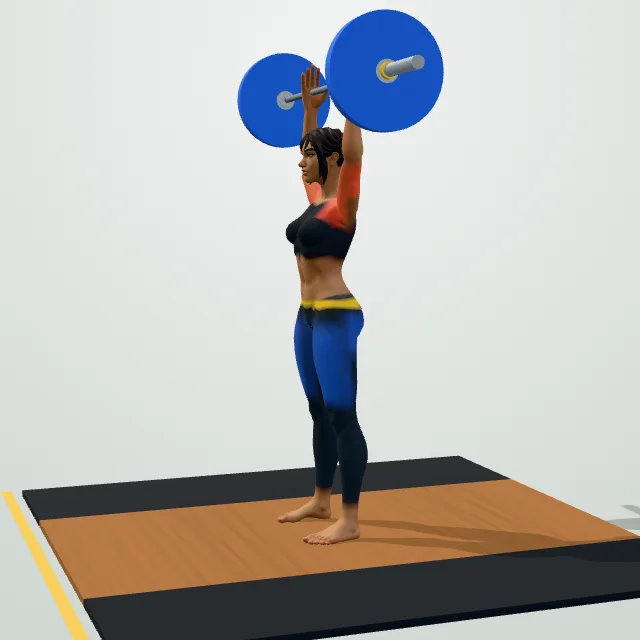
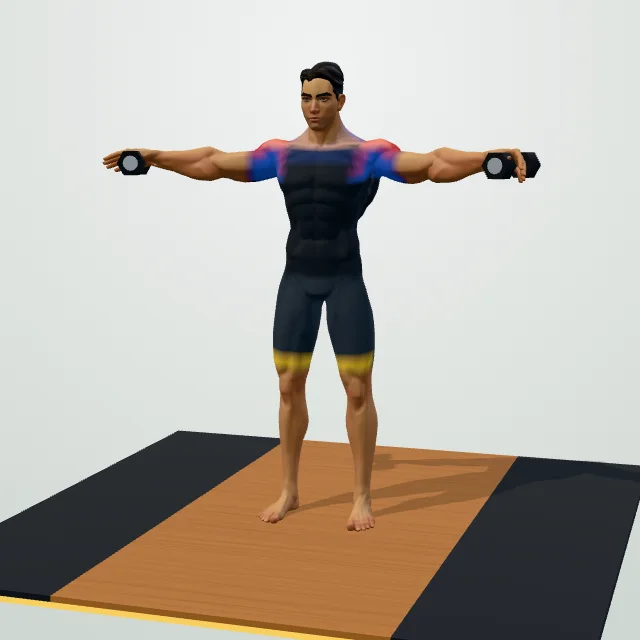
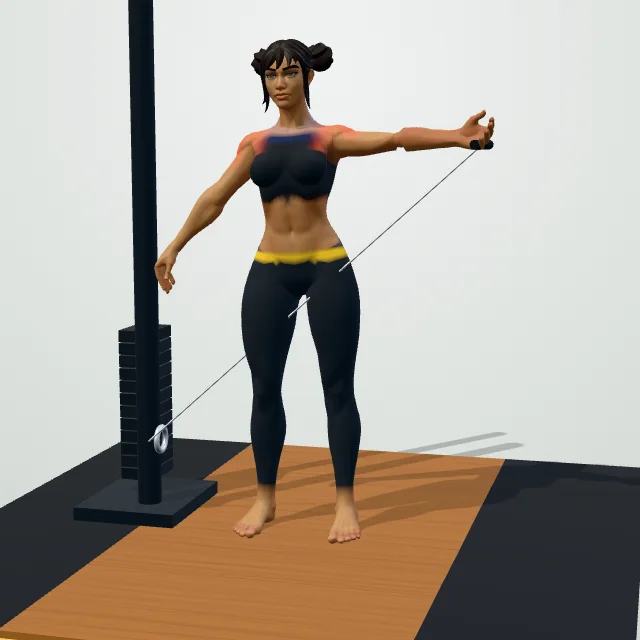
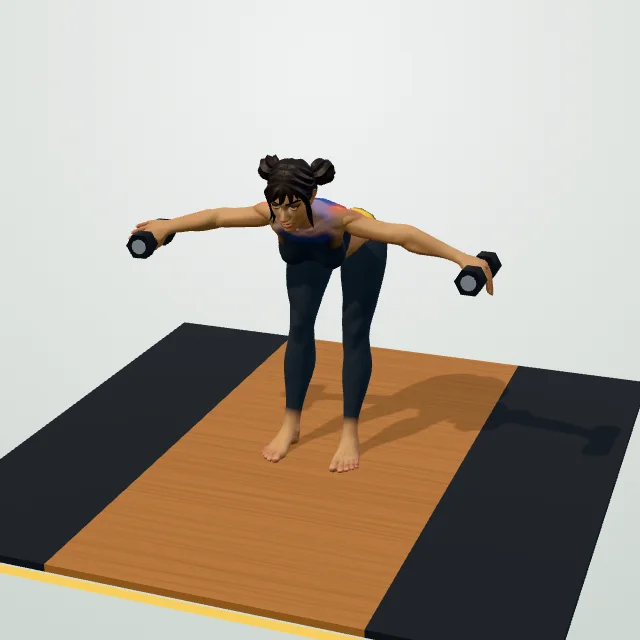
Questions people ask
What muscles does the front raise work?
Front raise vs lateral raise — what is the difference?
How high should I raise the dumbbell?
Do I need front raises if I already do overhead pressing?
Can I do front raises with one dumbbell instead of two?
Are front raises bad for the shoulders?
How many sets of front raises should I do?
General fitness information, not medical advice. Check with a doctor or physiotherapist before starting if you have a health condition, an injury or are pregnant. Stop if you feel chest pain, dizziness or sharp pain.