Legs · Home, no equipment
How to do the lateral lunge (side lunge)
The lateral lunge steps out to the side instead of forward or back, training your inner thighs and hips through a movement plane most workouts skip. Here is the setup, technique and programming.
- Primary
- QuadsGlutesInner thighs
- Secondary
- Hamstrings
- Level
- Beginner
- Type
- Compound · Alternate sides
- Sets × reps
- 3 × 8-10 reps per side
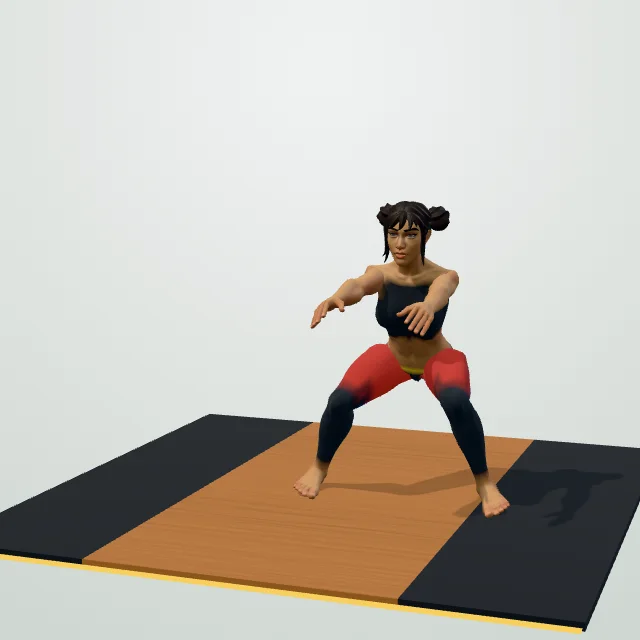
How to do it
- Stand tall with feet together, toes facing forward.
- Step one leg out wide to the side.
- Sit your hips back and down over the bent knee.
- Keep your other leg straight, foot flat on the floor.
- Push through the bent leg's heel to return to standing.
- Repeat on the same side, or alternate sides each rep.
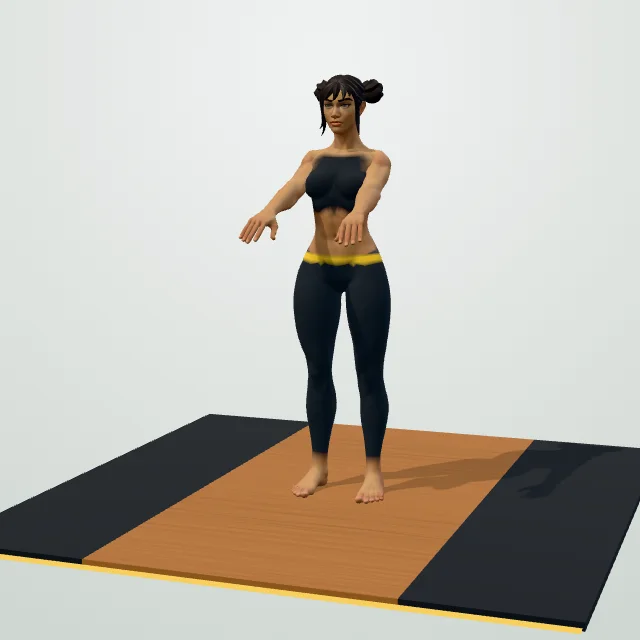
Coach cues
- Step wide to the side, toes facing forward.
- Sit your hips back over the bent knee.
- Keep the straight leg long, foot flat.
- Push back to center through your heel.
Breathing: Breathe in as you step out and lower, breathe out as you push back to standing.
Common mistakes
Make it easier / Make it harder
Sets and reps by goal
| Goal | sets | reps | Rest |
|---|---|---|---|
| Strength | 4–5 | 3–6 | 2–4 min |
| Muscle growth | 3–4 | 6–12 | 90–150 s |
| Endurance | 2–3 | 15–25+ | 30–60 s |
The lateral lunge, also called a side lunge, steps directly out to one side instead of forward or backward, sitting your hips back and down over a bent knee while your other leg stays straight. Where a forward or reverse lunge trains the front-to-back plane, the lateral lunge trains the frontal plane, side-to-side movement, which is why it shows up so often in athletic warm-ups and inner-thigh-focused leg routines.
Lateral lunge muscles worked
The bent leg's quads and glutes do most of the work lowering and driving back up, while the adductors, the inner thigh, of both legs switch on hard: the bent leg's adductors control the sideways load, and the straight leg's adductors sit under a deep stretch. The straight leg's glute medius, on the outer hip, also works to keep your pelvis level as you shift your weight to one side. That combination of inner-thigh loading and outer-hip stability is what makes the lateral lunge a common choice for building hip strength in a plane that squats and forward lunges barely touch.
Lateral lunge benefits
- Trains the frontal plane. Most leg exercises move you forward and back; the lateral lunge builds strength and control moving side to side, a gap in many programs.
- Inner-thigh and hip strength. The adductors and glute medius get direct, loaded work that a squat or forward lunge does not provide, which is one reason side lunges are a common pick for inner-thigh toning goals, though, like any exercise, they build and strengthen muscle rather than spot-reduce fat from one area.
- Useful for athletes. Sports involving cutting, pivoting or a change of direction rely on the same sideways loading pattern the lateral lunge trains.
- Hip and groin mobility. Sitting into the lunge stretches the inner thigh of the straight leg under control, which can help with hip mobility over time.
Lateral lunge technique
Stand with feet together, toes pointing forward rather than turned out. Step one leg out to the side, then sit your hips back and down as if lowering into a chair placed to that side, keeping your other leg straight with its foot flat on the floor. Keep your bent knee tracking in line with your toes rather than caving inward, and keep both feet pointed forward throughout instead of rotating them out, turning the toes out reduces the adductor stretch that makes this exercise useful. Keep your chest up and your weight through the whole foot of the bent leg, then push through that heel to return to the standing start position.
Lateral lunge vs cossack squat
A lateral lunge stays higher, with the straight leg only mildly stretched and most of your weight shifting onto the bent leg. A cossack squat takes the same sideways stance much deeper, dropping your hips closer to the floor and demanding far more ankle and hip mobility. Most people build lateral lunges first and progress toward cossack squats once their hip and ankle mobility and balance improve.
How to program lateral lunges
| Goal | Sets | Reps (per side) | Rest |
|---|---|---|---|
| Strength | 3 | 8-10 | 60-90 sec |
| Muscle | 3-4 | 10-12 | 45-60 sec |
| Endurance | 2-3 | 12-15 | 30-45 sec |
Lateral lunges are usually programmed with slightly lower reps than a forward or reverse lunge, since the sideways range and inner-thigh stretch make the movement harder to control at high volume. Keep 2-3 reps in reserve at the end of a set, and warm up your hips and groin with dynamic movement first, since this exercise loads a stretch position that cold muscles handle poorly. Fit lateral lunges into a glute-focused workout or as part of your dynamic warm-up before heavier lower-body training.
Lateral lunge variations
- Lateral lunge with dumbbells: hold one dumbbell at your chest, goblet-style, or a pair at your sides once bodyweight feels easy.
- Lateral lunge with reach: reach both hands toward the floor near your bent foot to combine the leg work with upper-body control.
- Sliding lateral lunge: use a slider or towel under the straight leg's foot so it glides out instead of stepping, adding a continuous strength demand.
- Lateral lunge to knee drive: drive the bent leg's knee up as you return to standing, adding balance and a touch of cardio.
- Curtsy lunge: step diagonally behind instead of directly to the side for a related but distinct angle on the outer hip; see our curtsy lunge guide.
Lateral lunge safety
The lateral lunge loads your groin and inner thigh under a stretch, so build up range gradually rather than starting with a deep, fast version.
If you have a groin or adductor strain, hip impingement, or knee pain, use a shallower range and keep both feet flat and forward rather than forcing depth. Warm up before lateral lunges, especially in cold weather or first thing in the morning, and stop for sharp groin or knee pain rather than working through it. Check with a doctor or physiotherapist before adding lateral lunges if you are recovering from a hip, groin or knee injury.
More exercises for legs
Questions people ask
How do you do a lateral lunge?
What muscles does a lateral lunge work?
Lateral lunge vs cossack squat: what is the difference?
Are side lunges good for inner thighs?
How many lateral lunges should I do?
Can lateral lunges hurt your knees?
Are lateral lunges good for beginners?
General fitness information, not medical advice. Check with a doctor or physiotherapist before starting if you have a health condition, an injury or are pregnant. Stop if you feel chest pain, dizziness or sharp pain.