Biceps · Gym
EZ-bar curl: a wrist-friendly way to load the biceps heavy
The EZ-bar curl uses an angled bar that lets your wrists sit in a more natural position than a straight barbell curl, while still allowing heavy loading of both arms together.
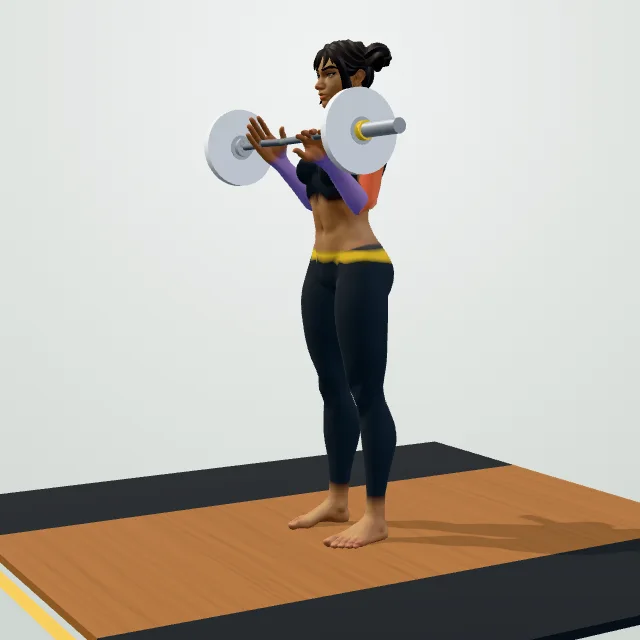
How to do it
- Grip the EZ-bar on the angled bends at shoulder width.
- Stand tall with elbows tucked to your sides.
- Curl the bar up by bending only at the elbows.
- Avoid leaning back or swinging your hips.
- Squeeze the biceps briefly at the top.
- Lower slowly, stopping just short of a full lockout.
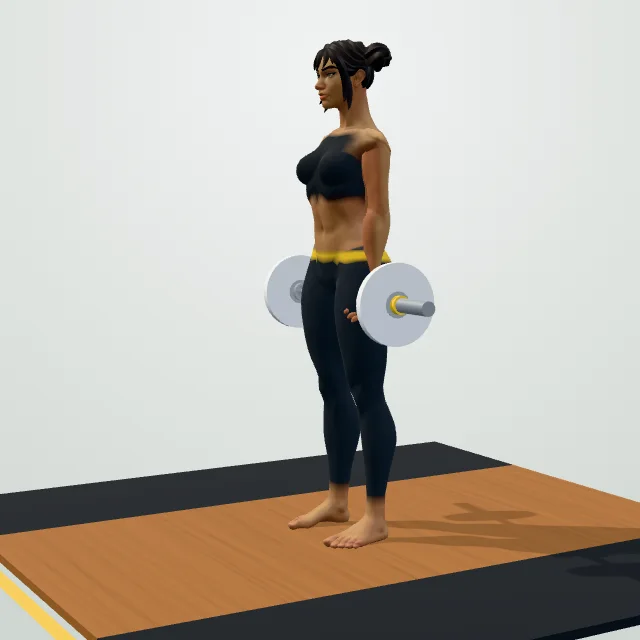
Coach cues
- Grip the angled bends of the bar.
- Elbows stay tucked to your sides.
- Curl up without leaning back.
- Lower slowly, no hard lockout.
Breathing: Breathe out as you curl the bar up, and breathe in as you lower it back down.
Common mistakes
Make it easier / Make it harder
Sets and reps by goal
| Goal | sets | reps | Rest |
|---|---|---|---|
| Strength | 3–5 | 6–8 | 90–120 s |
| Muscle growth | 3–4 | 10–15 | 60–90 s |
| Endurance | 2–3 | 15–20 | 30–60 s |
The EZ-bar curl is a bicep curl done with a cambered bar whose W-shaped bends let your hands grip at a slight angle instead of dead straight, as on a barbell. That small change takes pressure off the wrists while still letting you load both arms with one bar, which is why the EZ-bar curl is a staple in most gyms for building biceps size and strength.
It sits between a straight barbell curl and a dumbbell curl: heavier and more stable than dumbbells, but gentler on the wrists than a straight bar, making it a common recommendation for anyone whose wrists complain on regular curls. See the full biceps hub for how it compares with other curl variations.
Muscles the EZ-bar curl works
The EZ-bar curl trains the biceps brachii as the prime mover through elbow flexion, with the brachialis assisting underneath. Grip width changes the emphasis slightly: gripping on the wider, outer bends targets the biceps a little more, while a narrower grip on the inner bends brings in more forearm and brachialis involvement. The forearm flexors and grip muscles also work isometrically to hold the bar throughout every rep. See the forearms and grip hub for related exercises.
Benefits of the EZ-bar curl
- Easier on the wrists: the cambered grip reduces the strain some lifters feel on a straight barbell curl.
- Loads both arms together: lets you handle more total weight than a pair of dumbbells at the same relative effort.
- Adjustable grip: switching between the wide and narrow bends changes which part of the arm feels the most work.
- Versatile: the same bar also works for skull crushers and other triceps and shoulder exercises.
Technique: grip, path and tempo
Grip the bar on the angled sections at roughly shoulder width — the exact width depends on which bends feel comfortable for your wrists. Stand tall with a slight bend in the knees, elbows tucked to your sides, and curl the bar up by bending only at the elbows. Avoid leaning back or using your hips to help the bar move, since that shifts work off the biceps and onto the lower back. Squeeze at the top, then lower over 2–3 seconds until your arms are almost straight, stopping just short of a hard lockout to keep tension on the muscle.
If your wrists still feel strained, try the bends closer to the outer end of the bar, which typically sit at a gentler angle, or drop the weight slightly until your grip feels comfortable through the full set.
How to program the EZ-bar curl
| Goal | Sets | Reps | Rest |
|---|---|---|---|
| Strength | 3–4 | 6–8 | 90 seconds |
| Muscle (hypertrophy) | 3 | 8–12 | 60–90 seconds |
| Endurance | 2–3 | 15+ | 45 seconds |
Because it allows heavier loading than most curl variations, the EZ-bar curl works well as the main biceps exercise in a session, with single-arm or cable work added afterward for extra volume. Progress the weight gradually — the progressive overload guide covers safe jumps — and pair it with a compound pull like the barbell row or pull-up in the same session, as in the back and biceps workout.
Variations and progressions
- Wide-grip EZ-bar curl: hands on the outer bends, slightly more emphasis on the outer biceps.
- Close-grip EZ-bar curl: hands on the inner bends, more forearm and brachialis involvement.
- EZ-bar reverse curl: an overhand grip that shifts emphasis to the brachialis and forearm — see the reverse curl.
- EZ-bar preacher curl: combine the bar with a preacher bench for a stricter, more stretched version — see the preacher curl.
EZ-bar curl vs straight bar and dumbbell curl
A straight barbell curl loads the biceps the same way but forces a fully pronated wrist angle that some lifters find uncomfortable under heavy weight. A dumbbell curl allows the wrist to rotate freely and lets each arm move independently, which can help with imbalances, but is usually more limited by grip and stability at heavier loads. The EZ-bar sits in between: close to the loading capacity of a straight bar, with a wrist angle that is friendlier for most people.
Safety and who should modify it
Keep the reps controlled and avoid swinging the bar up with your hips, which is the most common way this exercise turns into a lower-back strain rather than a biceps exercise. If you have wrist pain even with the cambered grip, try the outer bends, reduce the load, or switch to a rope cable curl or dumbbell hammer curl instead. Anyone with an existing elbow or wrist injury should check with a physiotherapist before loading curls heavily.
Workout plans with this exercise
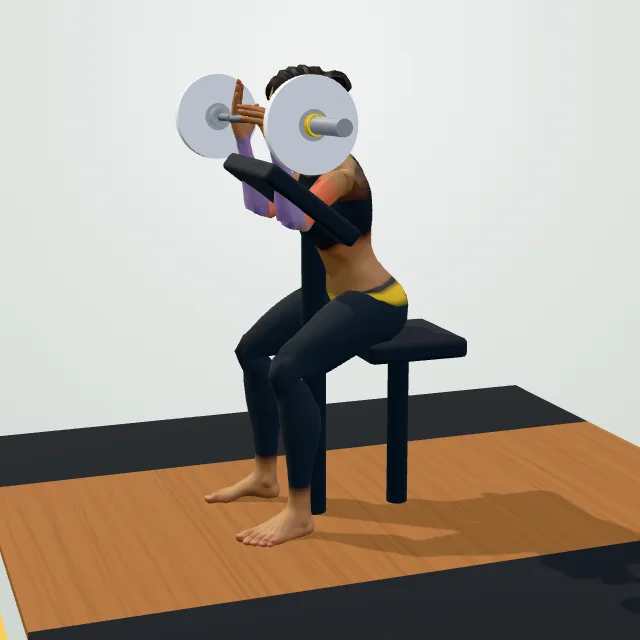
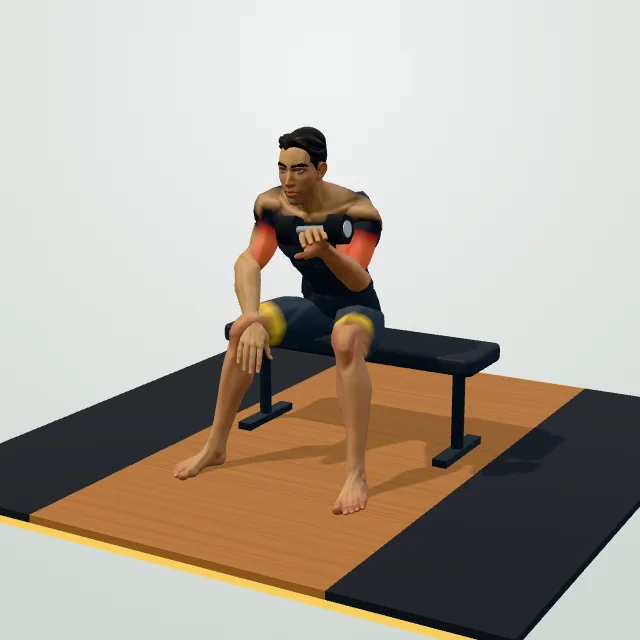
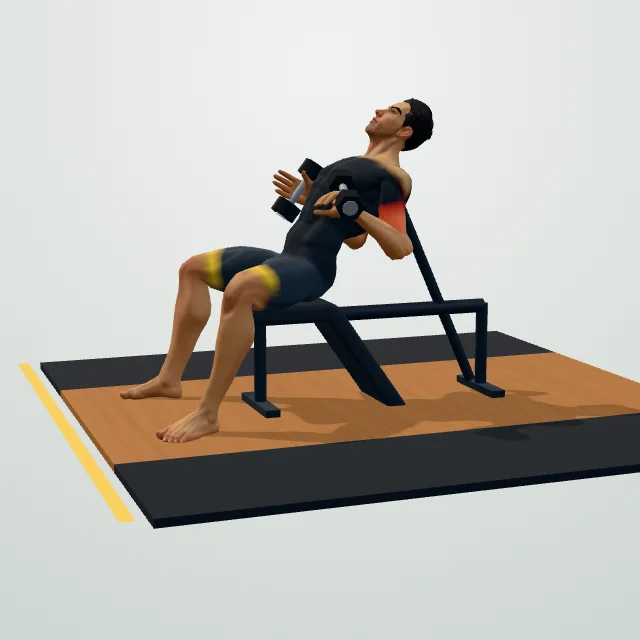
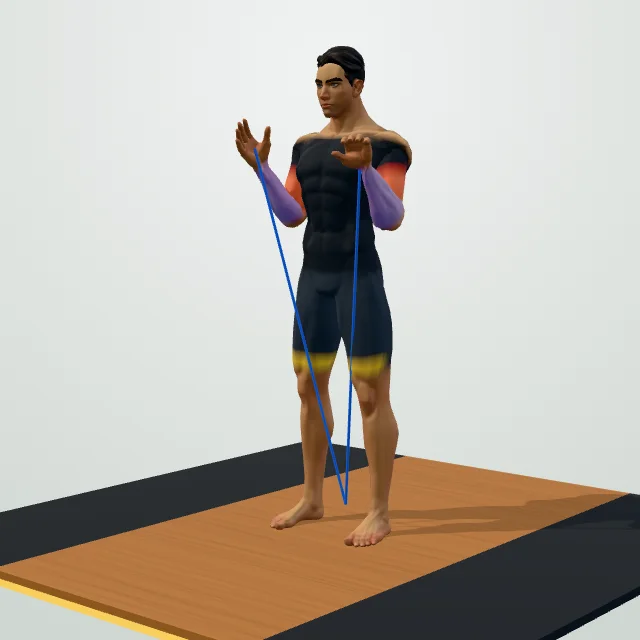
More exercises for biceps
Questions people ask
What muscles does the EZ-bar curl work?
Why use an EZ-bar instead of a straight bar for curls?
What grip width should I use on an EZ-bar curl?
How much weight should I use for an EZ-bar curl?
Is the EZ-bar curl better than a dumbbell curl?
Can the EZ-bar curl help with wrist pain from curling?
General fitness information, not medical advice. Check with a doctor or physiotherapist before starting if you have a health condition, an injury or are pregnant. Stop if you feel chest pain, dizziness or sharp pain.