Biceps · Gym
Preacher curl: strict bicep isolation on the preacher bench
The preacher curl locks your upper arms on an angled pad so the biceps do almost all the work, with no swinging or shoulder help. Here is how to set up the bench and load it safely.
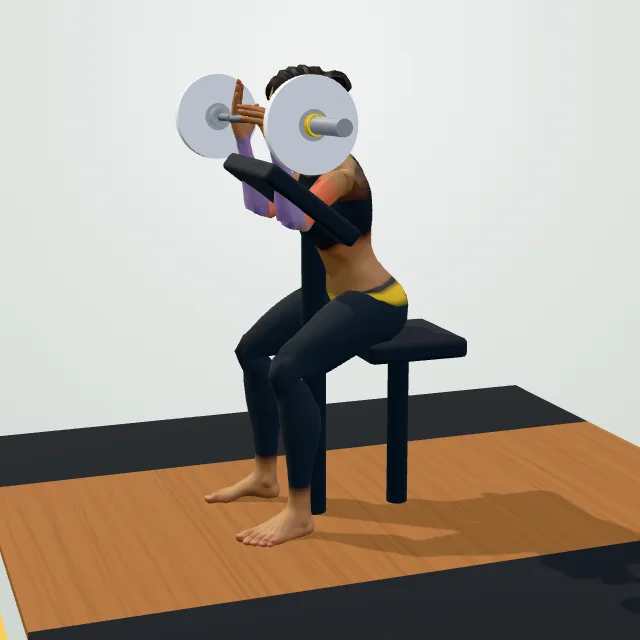
How to do it
- Set the seat so your armpits rest just over the top of the pad.
- Grip the EZ-bar at shoulder width on the angled grips.
- Rest your upper arms flat on the pad and brace your core.
- Lower the bar until your arms are almost straight, stopping short of locking out.
- Curl the bar back up by squeezing your biceps.
- Keep your upper arms on the pad for the whole set.
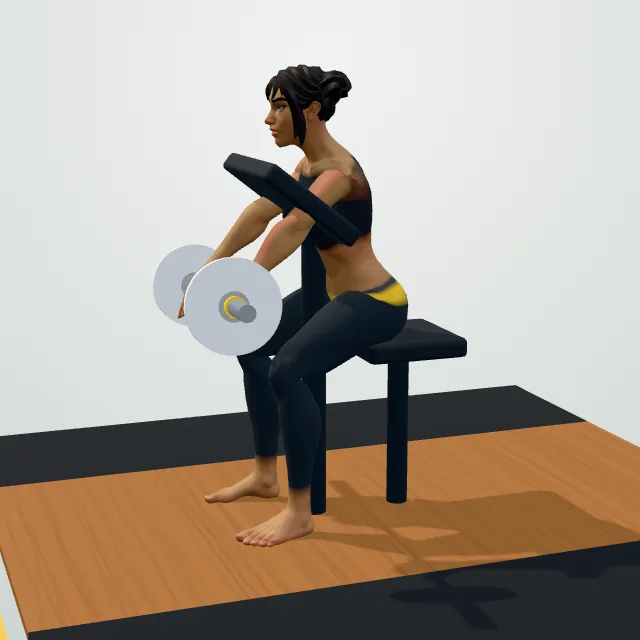
Coach cues
- Upper arms stay flat on the pad.
- Lower until almost straight, not locked out.
- Squeeze the biceps to curl back up.
- Keep the tempo slow on the way down.
Breathing: Breathe in as you lower the bar into the stretch, and breathe out as you curl it back up.
Common mistakes
Make it easier / Make it harder
Sets and reps by goal
| Goal | sets | reps | Rest |
|---|---|---|---|
| Strength | 3–5 | 6–8 | 90–120 s |
| Muscle growth | 3–4 | 10–15 | 60–90 s |
| Endurance | 2–3 | 15–20 | 30–60 s |
The preacher curl is a bicep curl performed with your upper arms braced against an angled pad, which removes the shoulder swing and body English that can sneak into a standing curl. Because the arm is locked in place, the biceps has to do essentially all the lifting, making the preacher curl one of the most reliable ways to isolate the muscle and feel it work from the very first rep.
It is usually done with an EZ-bar, though dumbbells, a cable, or a preacher curl machine all work. The trade-off for that strict isolation is a stretched, more vulnerable position at the bottom, so technique and elbow control matter more here than on most other biceps exercises.
Muscles the preacher curl works
The preacher curl targets the biceps brachii, with research and coaching consensus pointing to a strong bias toward the short (inner) head because of the arm angle on the pad. The brachialis, which sits underneath the biceps, also contributes to elbow flexion. Your forearm flexors work isometrically to keep the bar or dumbbells gripped throughout the set. Because the upper arm is fixed, there is very little help from the shoulders or back — which is exactly the point of the exercise.
Benefits of the preacher curl
- Strict isolation: the pad prevents swinging, so weight increases have to come from real strength gains, not momentum.
- Peak stretch: the bottom position stretches the biceps more than a standing curl, which some lifters find improves muscle feel and growth.
- Easy to standardize: a fixed arm position makes it simple to track the same weight and range of motion week to week.
- Works with several tools: EZ-bar, straight bar, dumbbells, cable, or a dedicated preacher curl machine.
Setup and technique
Adjust the seat so your armpits rest just over the top of the pad — too low and your shoulders round forward, too high and you lose contact with the pad at the bottom of the rep. Grip an EZ-bar on the angled part of the grips (this is easier on the wrists than a straight bar) at shoulder width. Lower the bar under control until your arms are almost straight, but stop just short of locking the elbows out completely — the bottom of a preacher curl is where the biceps tendon is under the most stretch, and hard-locking out here is where injuries happen. Curl back up by squeezing the biceps, without letting your shoulders shrug or your upper arms lift off the pad.
A slow 2–3 second lowering phase is worth prioritizing on this exercise specifically, since the stretched position is where most of the growth stimulus comes from. Keep the reps smooth rather than bouncing out of the bottom.
How to program the preacher curl
| Goal | Sets | Reps | Rest |
|---|---|---|---|
| Strength | 3 | 6–8 | 90 seconds |
| Muscle (hypertrophy) | 3 | 8–12 | 60–90 seconds |
| Endurance | 2–3 | 15+ | 45 seconds |
Because the position removes cheating, most people need noticeably less weight than they use on a standing barbell curl — that is normal, not a sign of weakness. Leave 1–2 reps in reserve near the stretched bottom position rather than grinding to failure there; the RPE and RIR guide explains how to judge this. Preacher curls fit well as a finishing biceps exercise after a compound pulling movement — see the back and biceps workout for an example layout, and the progressive overload guide for adding weight safely over time.
Variations and progressions
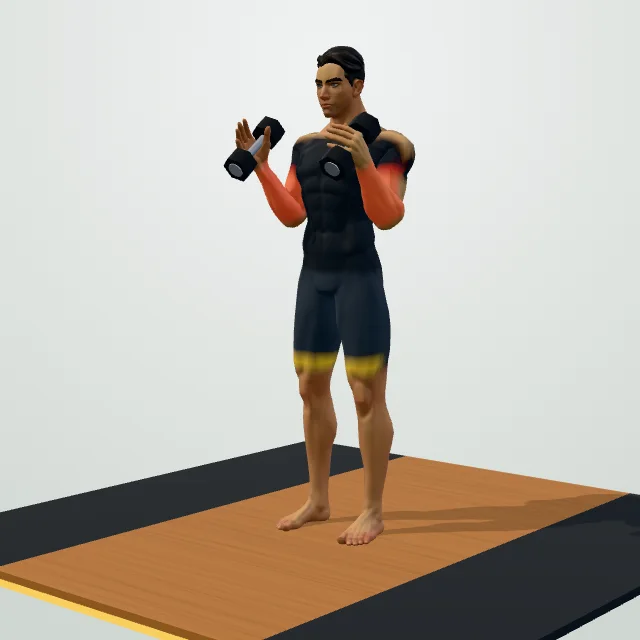
- Single-arm preacher curl: work one side at a time with a dumbbell for a bigger stretch and easier weak-side tracking.
- Dumbbell preacher curl: lets each arm rotate slightly into a more natural path than a fixed bar.
- Cable preacher curl: keeps tension on the biceps even at the top of the rep, unlike free weights — see cable machine exercises.
- Reverse-grip preacher curl: an overhand grip shifts more work to the brachialis and forearm; compare with the reverse curl.
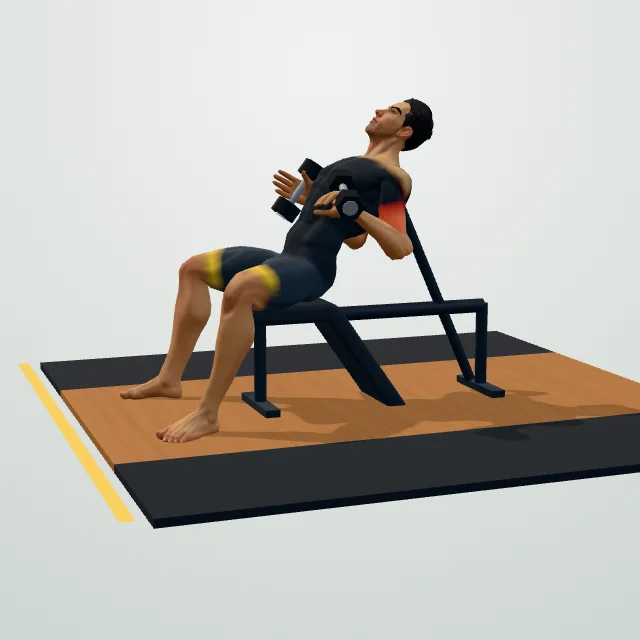
- No bench available: rest the back of your upper arm on the top of an incline bench set steep, or use the concentration curl, which isolates the biceps in a similar way without needing a preacher pad.
Preacher curl vs concentration curl vs barbell curl
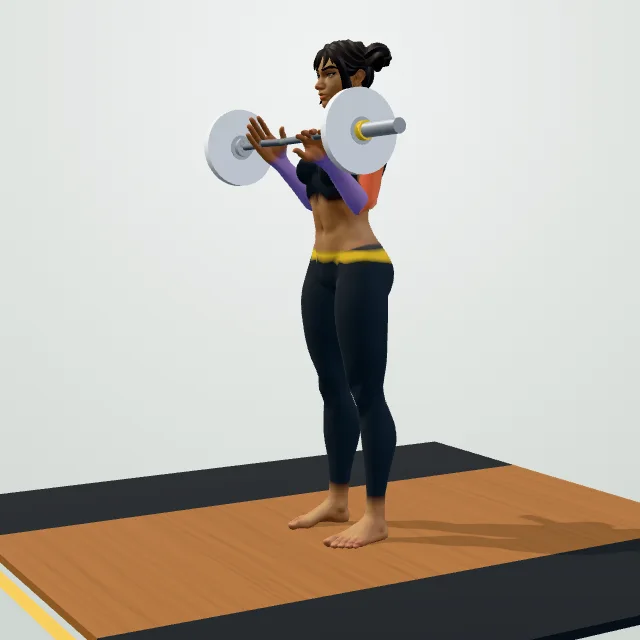
The concentration curl braces the elbow against the inner thigh instead of a pad, giving similar isolation with no equipment beyond a dumbbell and a seat. A standard barbell curl allows some shoulder and back involvement, which lets you lift more total weight but makes the biceps work less exclusively. Many lifters use a standing curl as their main biceps lift and add the preacher curl afterward for a strict, stretch-focused finisher.
Safety and who should modify it
The main risk on preacher curls is locking the elbows out hard at the bottom of the rep under load, which can strain the biceps tendon at the elbow. Stop the descent just short of full extension, use a controlled tempo, and choose a weight that lets you keep that range every rep. If you have a history of biceps tendon pain or an elbow injury, start with light weight or the concentration curl instead and check with a physiotherapist before progressing.
Workout plans with this exercise
More exercises for biceps
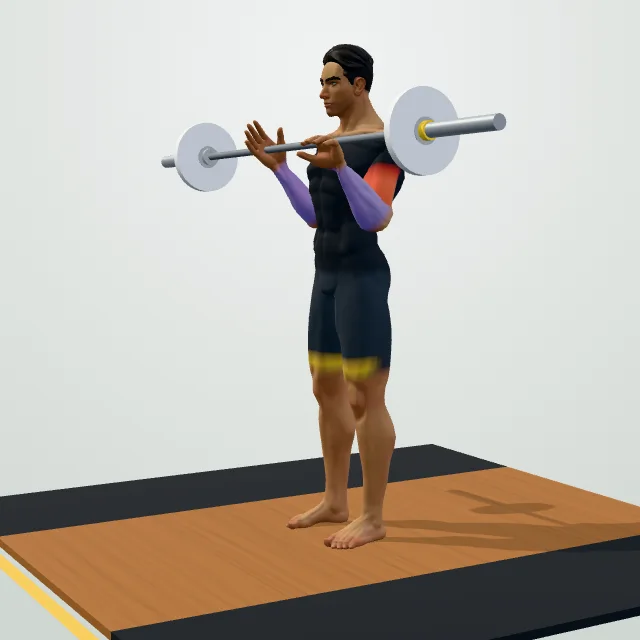
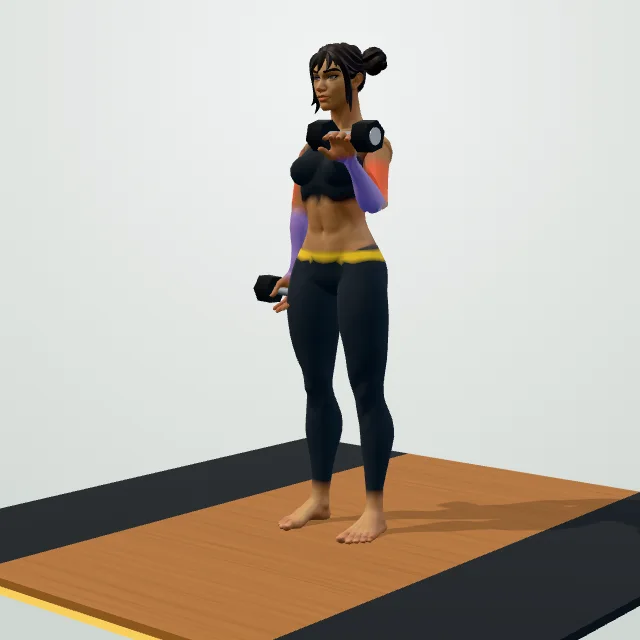
Questions people ask
What muscles does the preacher curl work?
How do I set up a preacher bench correctly?
Why do my elbows hurt on preacher curls?
Can I do preacher curls without a preacher bench?
Why do I lift less weight on preacher curls than standing curls?
Is the preacher curl better than a regular bicep curl?
General fitness information, not medical advice. Check with a doctor or physiotherapist before starting if you have a health condition, an injury or are pregnant. Stop if you feel chest pain, dizziness or sharp pain.